
Why Calibration is Important in Industrial Measurement Equipment
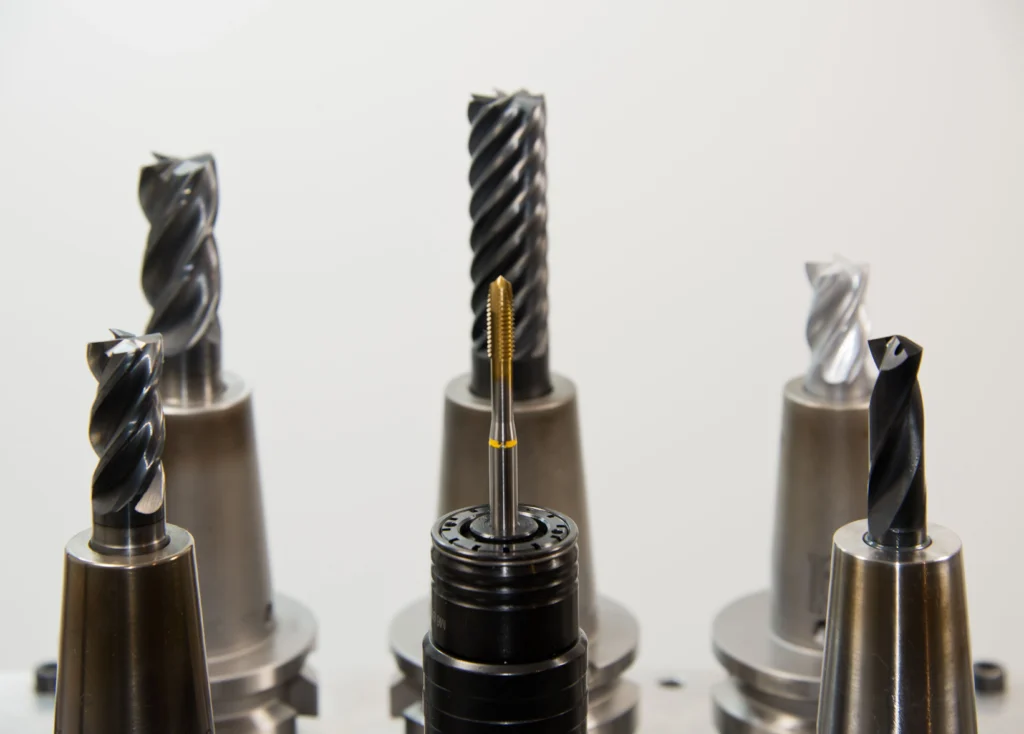
Calibration is the process of comparing a measurement system against a known reference standard to verify its accuracy. In practice, it is used to determine whether a machine is measuring correctly and to identify any deviation from true values. When discrepancies are found, adjustments are made to bring the system back within acceptable accuracy limits. […]
Applications of Machine Vision in Industrial Manufacturing

Modern industrial manufacturing increasingly relies on automation, precision, and real-time data to maintain product quality and production efficiency. As manufacturing environments continue to evolve toward Industry 4.0 and smart factory systems, manufacturers are adopting advanced technologies that support automated inspection, process monitoring, and intelligent production control. Among these technologies, machine vision has become an important […]
Precision Inspection in Performance Footwear Using Video Measuring System (VMS)

Modern performance footwear manufacturing demands high levels of precision, consistency, and quality control to meet the expectations of athletes and consumers alike. From marathon running shoes and basketball footwear to football cleats and track spikes, manufacturers continue to develop lighter materials, advanced cushioning systems, and increasingly complex outsole geometries to enhance comfort and athletic performance. […]
Limitations of Optical Measurement in Industrial Inspection

Optical measurement systems are widely used in industrial inspection because they provide fast, non-contact, and highly detailed measurements. Video Measuring System (VMS) are commonly applied in quality control, dimensional inspection, and manufacturing environments where repeatability and efficiency are important. However, optical measurement is not suitable for every inspection condition. Factors such as surface reflectivity, material […]
Batch Measurement vs Individual Inspection in Video Measuring Systems (VMS)
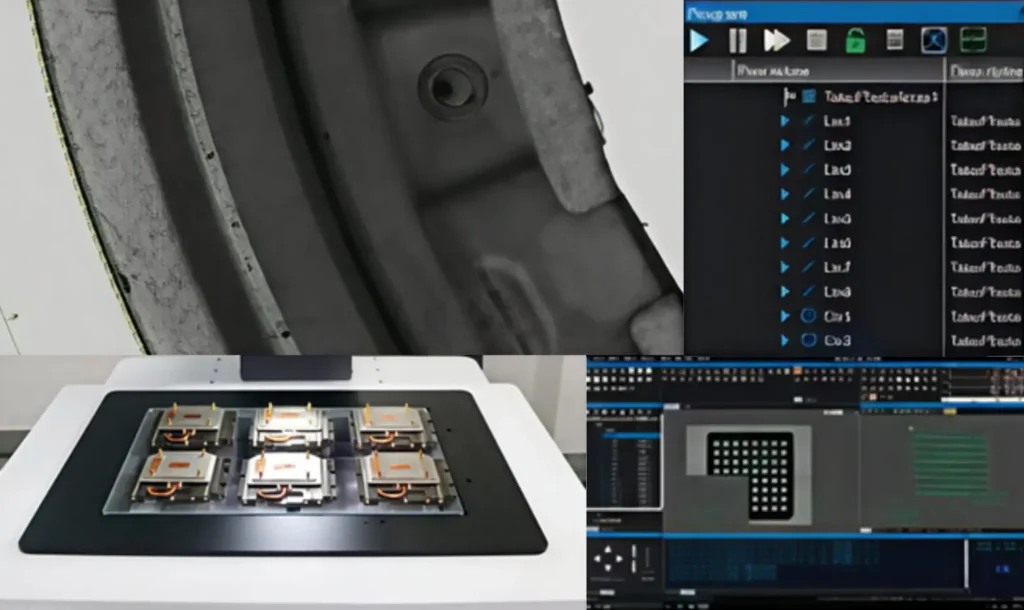
Inspection efficiency is important in manufacturing and quality control. In Video Measuring System (VMS) operation, measurements can be performed either individually or through batch inspection methods. Both approaches have advantages depending on the application, production quantity, and inspection requirements. What Is Individual Inspection? Individual inspection measures parts one at a time. Each component is positioned […]
Feature Selection in Video Measuring Systems (VMS)
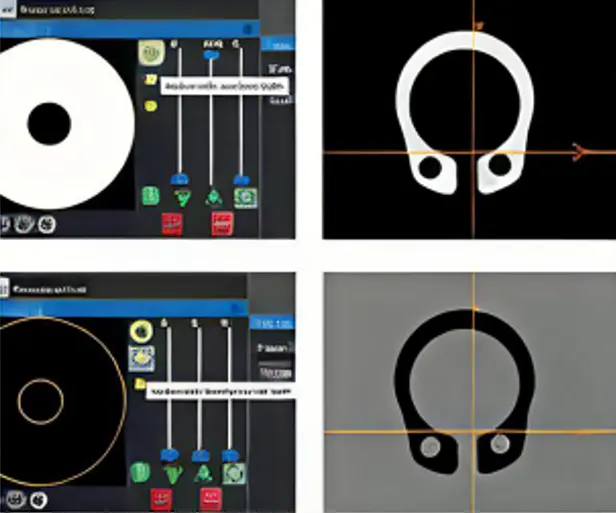
Video Measuring Systems (VMS) include many measurement and analysis functions designed for different inspection tasks. However, more features do not always lead to better measurements. In many cases, selecting the correct feature for the application is more important than using every available function. Effective VMS operation focuses on obtaining meaningful, repeatable, and efficient measurements. By […]
Designing an Efficient Inspection Workflow Using Video Measuring Systems (VMS)
It is common to view a Video Measuring System (VMS) as an efficient inspection solution. In practice, however, the efficiency of inspection does not come from the system alone, but from how the workflow is designed around it. A Video Measuring System (VMS) is a powerful tool, but without a structured inspection approach, its capabilities […]
Manual vs Automatic Video Measuring Systems (VMS)
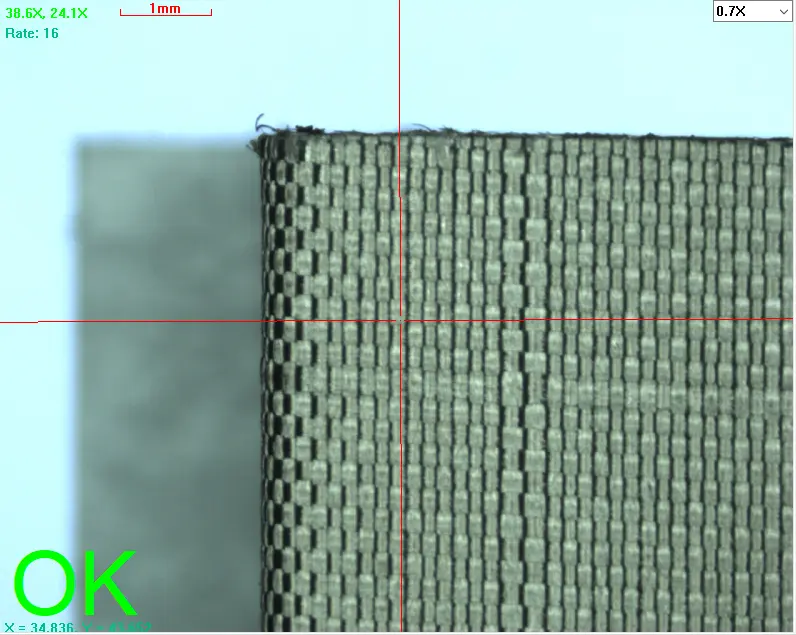
Dimensional inspection systems such as Video Measuring Systems (VMS) play a critical role in modern manufacturing by providing accurate and repeatable measurement data. However, as production demands increase, accuracy alone is no longer sufficient. The ability to perform measurements efficiently and consistently across large numbers of parts becomes equally important. While both manual and automatic […]
Tips for Selecting the Right Measurement Equipment for Industrial Production and Quality Control
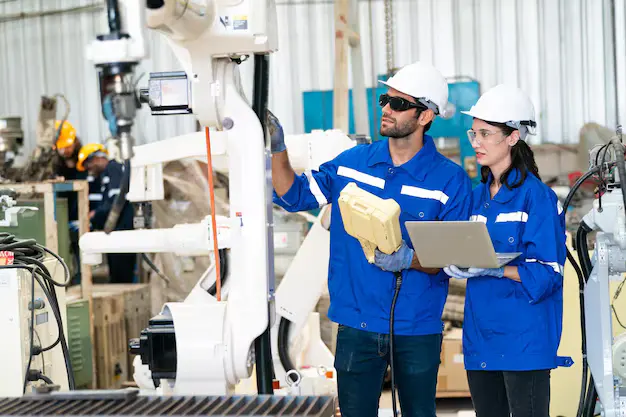
Selecting measurement equipment for production is not just a purchasing exercise. It is a process control decision. Inaccurate or unstable measurement systems can lead to false rejects, undetected defects, and unreliable quality data. As production tolerances tighten and compliance requirements increase, the impact of incorrect equipment selection becomes more severe. This article is intended for […]
From Measurement to Decision: How Inspection Data Drives Quality Control
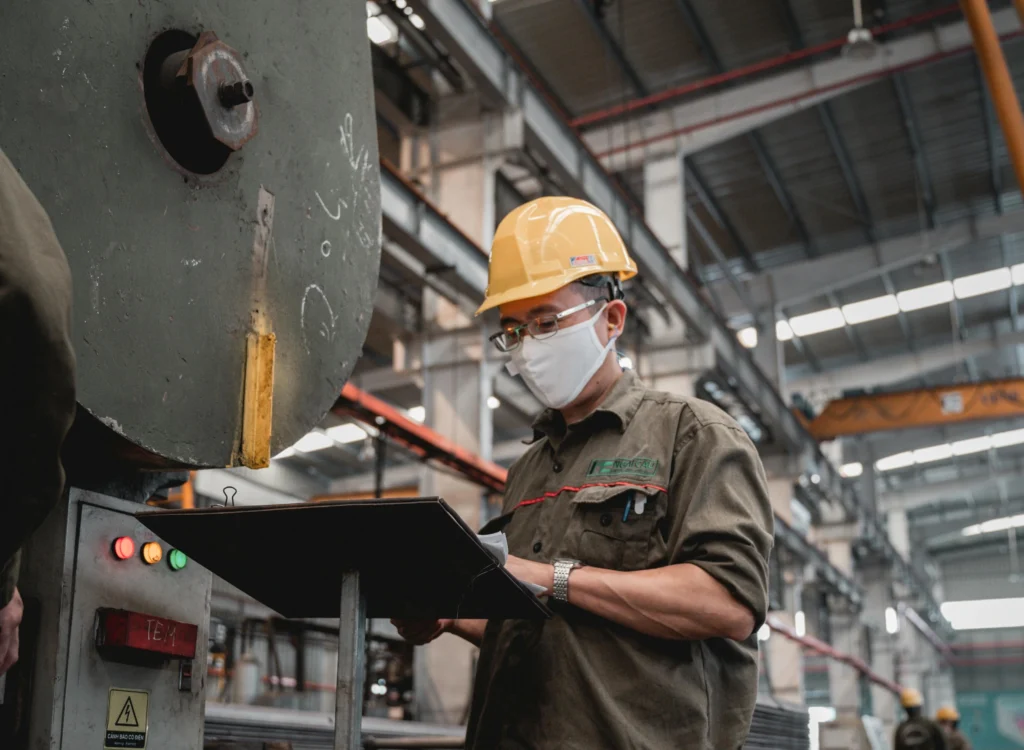
Modern manufacturing has made significant progress in the ability to measure parts with high precision. However, measurement alone does not improve quality. The real impact comes from how inspection data is interpreted, communicated, and used to guide decisions. When used effectively, inspection data becomes more than a record of results. It becomes a key driver […]
Precision Measurement Challenges in Microelectronics Manufacturing
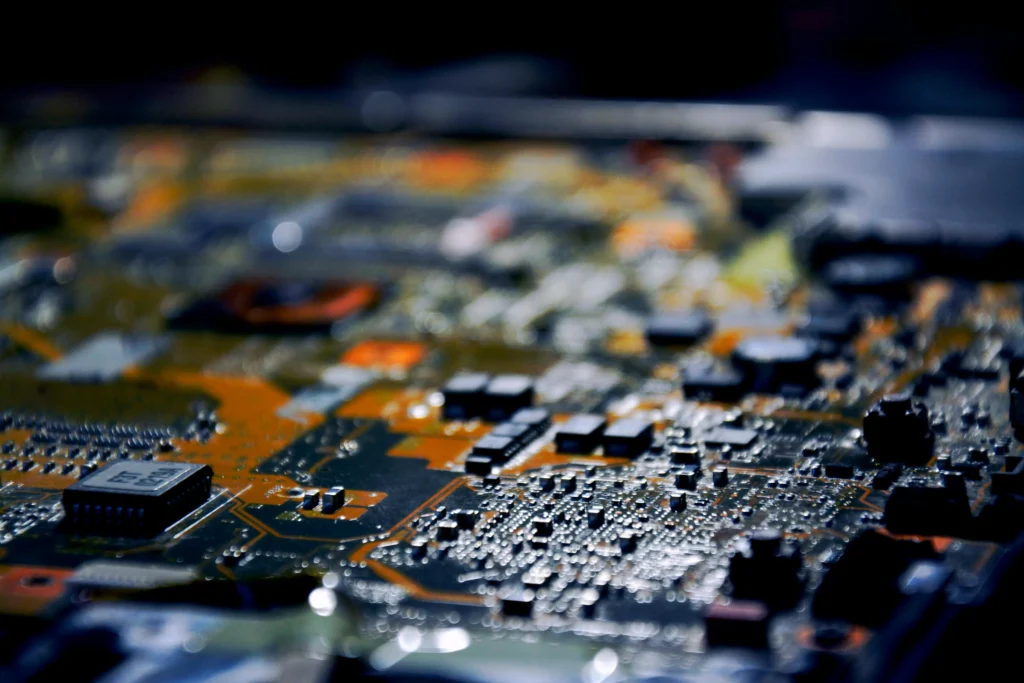
Precision measurement is the backbone of microelectronics manufacturing. As components shrink to micro- and even nanoscale dimensions, even the smallest deviations can result in functional failures or reduced yield. In an industry driven by tight tolerances and high-volume production, maintaining accuracy, repeatability, and consistency is critical to ensuring product quality and process reliability across all […]
Environmental Control in Precision Measurement Laboratories
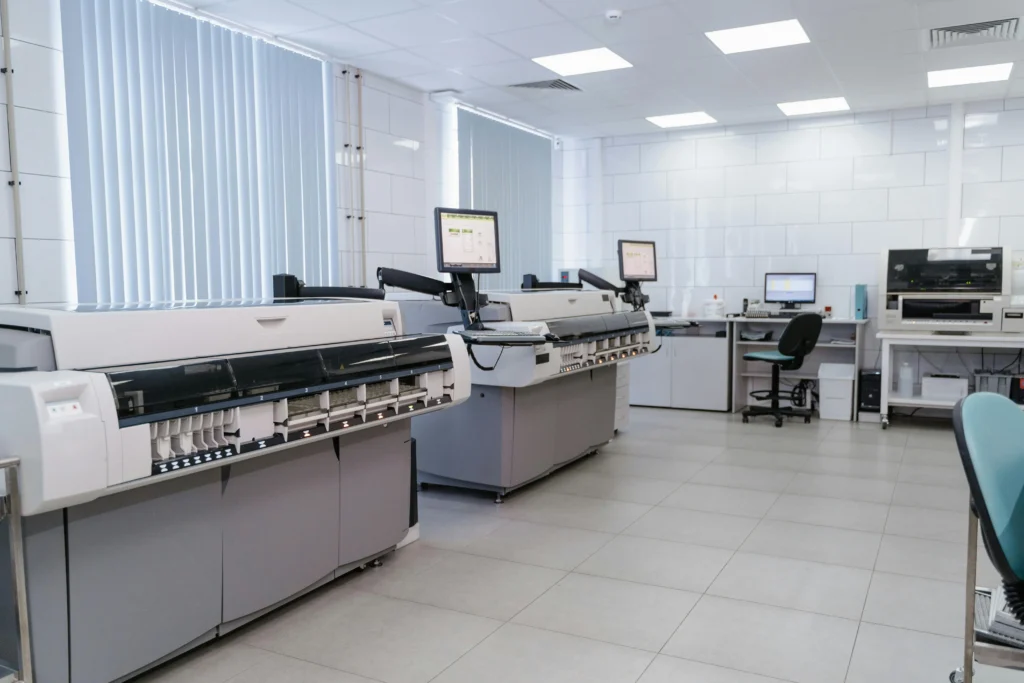
Precision measurement requires more than advanced equipment and skilled operation. The surrounding environment plays a critical role in ensuring that measurements are accurate, consistent, and repeatable. Even small variations in environmental conditions can introduce errors that affect the reliability of measurement results. In precision measurement laboratories, environmental control is implemented to minimize external influences that […]
Edge Detection Techniques in Video Measurement Systems (VMS)
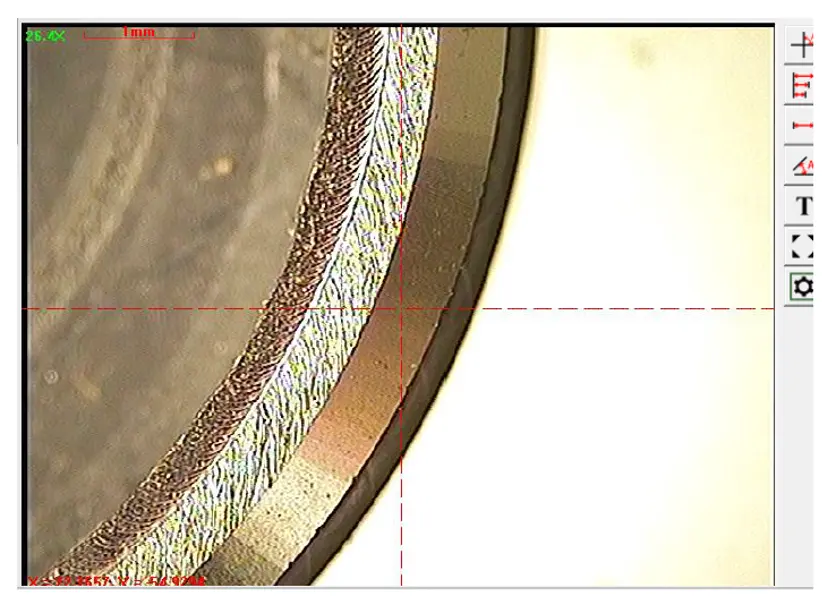
In Video Measurement Systems (VMS), measurement accuracy depends not only on optical resolution or system stability, but also on how precisely the system can identify the boundaries of a feature. This process, known as edge detection, is fundamental to determining dimensions such as lengths, diameters, and angles. Unlike traditional contact measurement methods, the Video Measurement […]
Thermal Expansion Effects on Video Measurement System (VMS) and Coordinate Measuring Machine (CMM) Measurement Accuracy
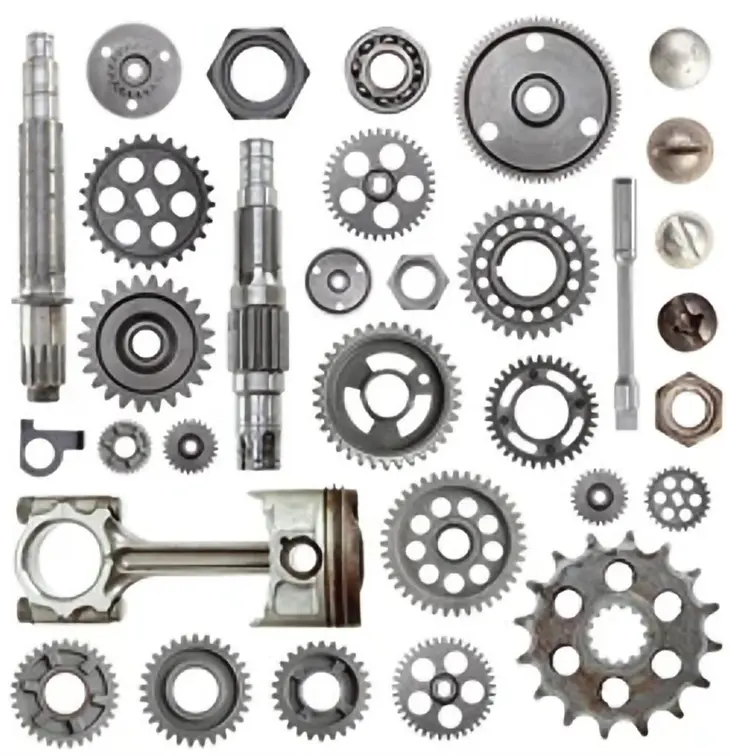
In precision measurement, accuracy is often assumed to depend primarily on the capability of the instrument. Systems with higher resolution, advanced sensors, and sophisticated design are expected to deliver reliable results within tight tolerances. However, even the most advanced equipment can produce inconsistent measurements if one critical factor is overlooked: temperature. Thermal effects refer to […]
Understanding Measurement Uncertainty in Video Measurement System (VMS) Inspection

When inspecting a precision component, the measured dimension is often treated as an exact value. In reality, every measurement carries a degree of uncertainty that must be considered when determining whether a part truly meets its tolerance requirements. Understanding measurement uncertainty is therefore essential for reliable dimensional inspection. This article explores the concept of measurement […]