Feature Selection in Video Measuring Systems (VMS)
Video Measuring Systems (VMS) include many measurement and analysis functions designed for different inspection tasks. However, more features do not always lead to better measurements. In many cases, selecting the correct feature for the application is more important than using every available function.
Effective VMS operation focuses on obtaining meaningful, repeatable, and efficient measurements. By choosing tools that directly support the inspection objective, operators can simplify workflows while improving measurement reliability.
Why Feature Selection Matters
The VMS software features are designed for different measurement purposes. Selecting the appropriate function helps improve accuracy, repeatability, and inspection efficiency.
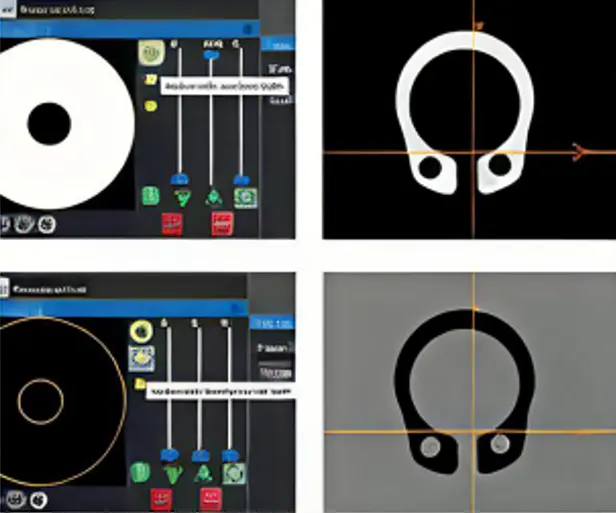
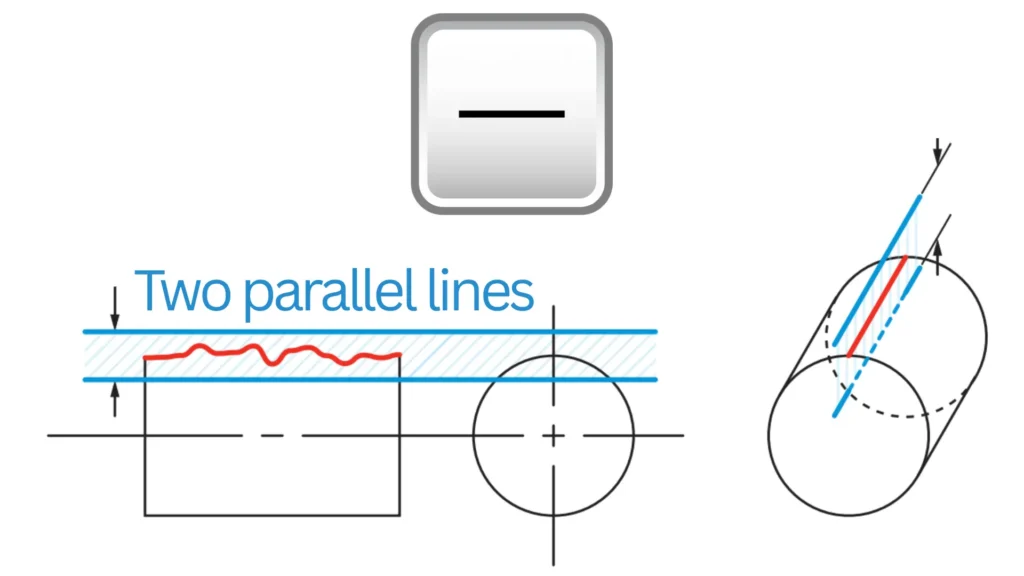
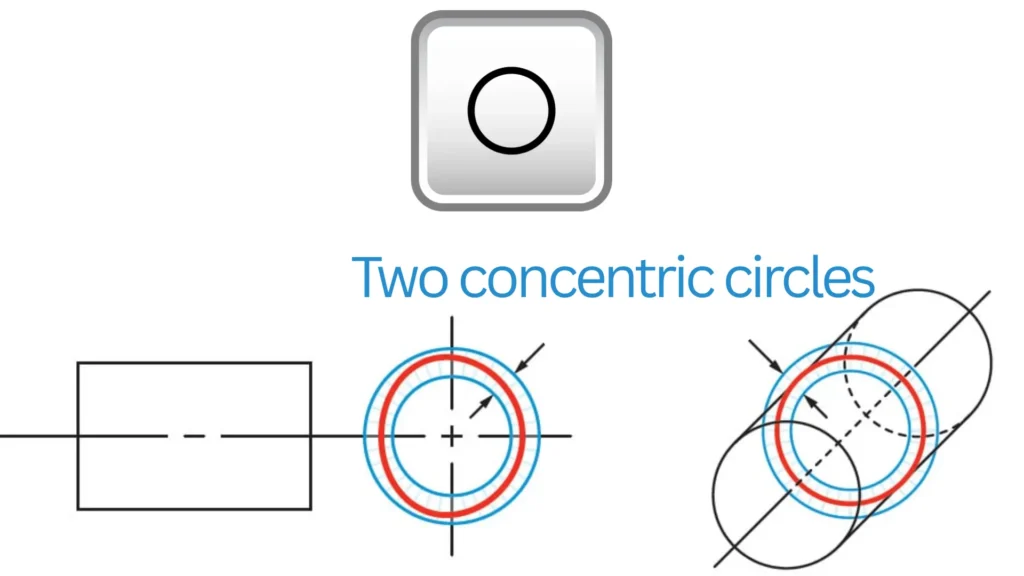
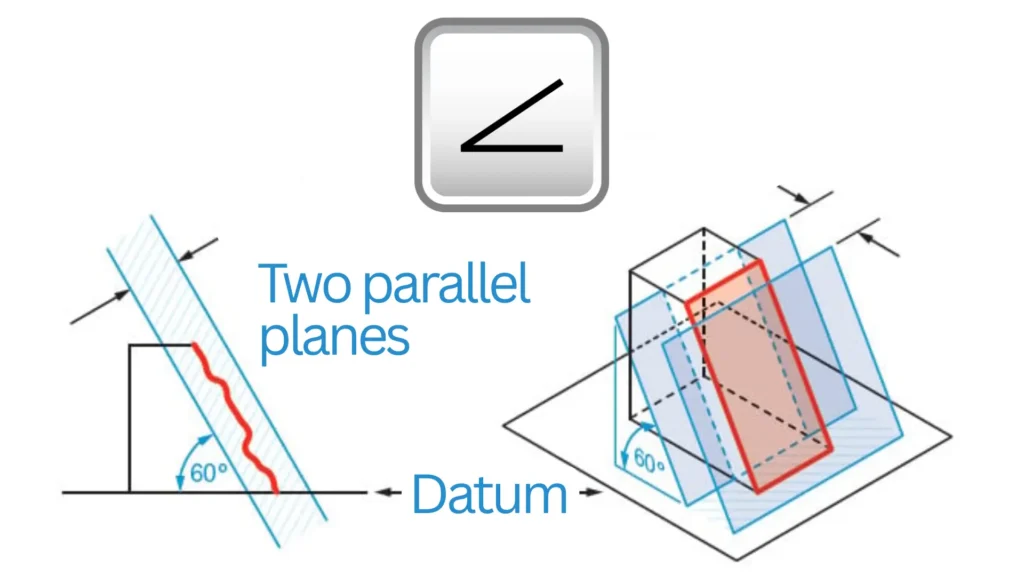
The VMSsoftware often uses edge detection to construct geometric features such as lines, circles, and arcs automatically. Alternatively, operators may also construct the same features manually by selecting measurement points directly within the software. These constructed geometries can then be used for Geometric Dimensioning and Tolerancing (GD&T) evaluations such as straightness, circularity, angularity, and position analysis.
The effectiveness of a measurement process depends on selecting the method that best matches the inspection objective. In many cases, proper feature selection can reduce unnecessary inspection steps, improve repeatability, and simplify the overall workflow.
In industrial inspection, the goal is not simply to measure more, but to measure the dimensions that are functionally important in the most effective and repeatable way.
How Straightness is measured using GD&T
How Circularity is measured using GD&T
How Angularity is measured using GD&T
Commonly Used Features in the Video Measuring System (VMS)
Video Measuring Systems (VMS) provide various functions for dimensional and geometric inspection. Commonly used features include:
Edge detection for identifying part boundaries automatically
Circle and arc measurement for holes and rounded features
Angle measurement for chamfers and intersecting edges
Auto-focus for maintaining image clarity during inspection
Profile comparison for evaluating contour deviations
Lighting adjustment for improving edge visibility and measurement consistency
While these features provide different measurement capabilities, selecting the most appropriate function depends on the inspection objective and the type of dimensional information required.
Example: Measuring Rounded Corners
A practical example can be seen when measuring a rectangular component with rounded corners using the Video Measuring System (VMS) software.
One possible approach is manually taking multiple points along the corner profile to create a curve that closely traces the actual contour of the sample. This method can produce a visually accurate representation of the shape and is useful when the objective is profile tracing or contour reconstruction.
However, if the inspection objective is to determine the corner radius, tracing the contour as closely as possible may not be the most effective method. Instead, using the arc measurement function allows the software to mathematically fit an arc to the rounded corner and directly calculate the radius value.
Although the fitted arc may not perfectly follow every traced point visually, it provides a faster and more repeatable dimensional result for inspection purposes. This highlights an important principle in Video Measuring System (VMS) operation: measurement methods should prioritize the dimensional characteristic being evaluated, rather than simply reproducing the shape visually.
By selecting the appropriate feature for the intended measurement, inspections can become more efficient, consistent, and easier to interpret.
Choosing Features Based on Application
Different industries require different measurement priorities, so the most useful Video Measuring System (VMS)features vary depending on the application.
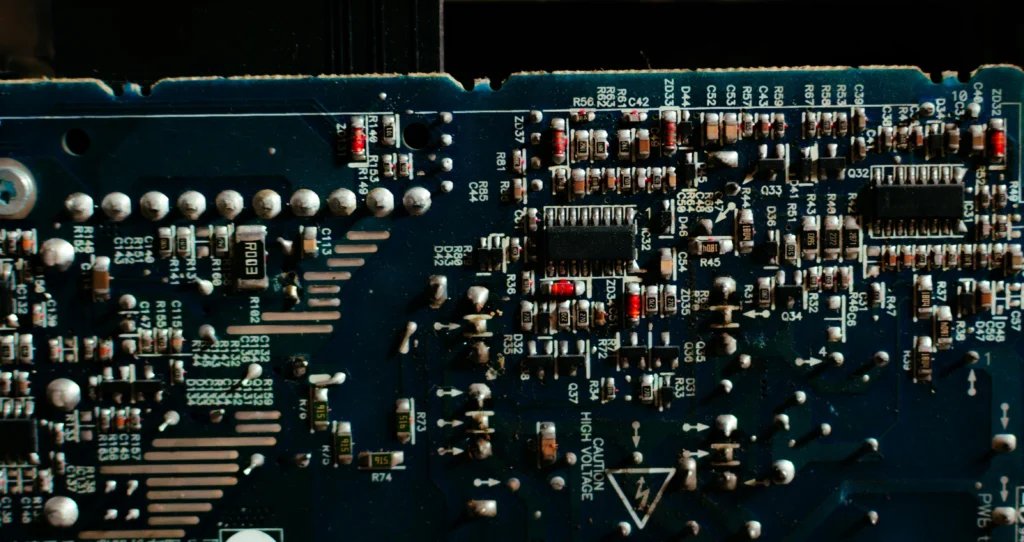
In electronics inspection, edge detection and pitch measurements are commonly used for evaluating fine component spacing and alignment. For machined parts, functions such as radius measurement and hole spacing analysis are often more important for dimensional verification.
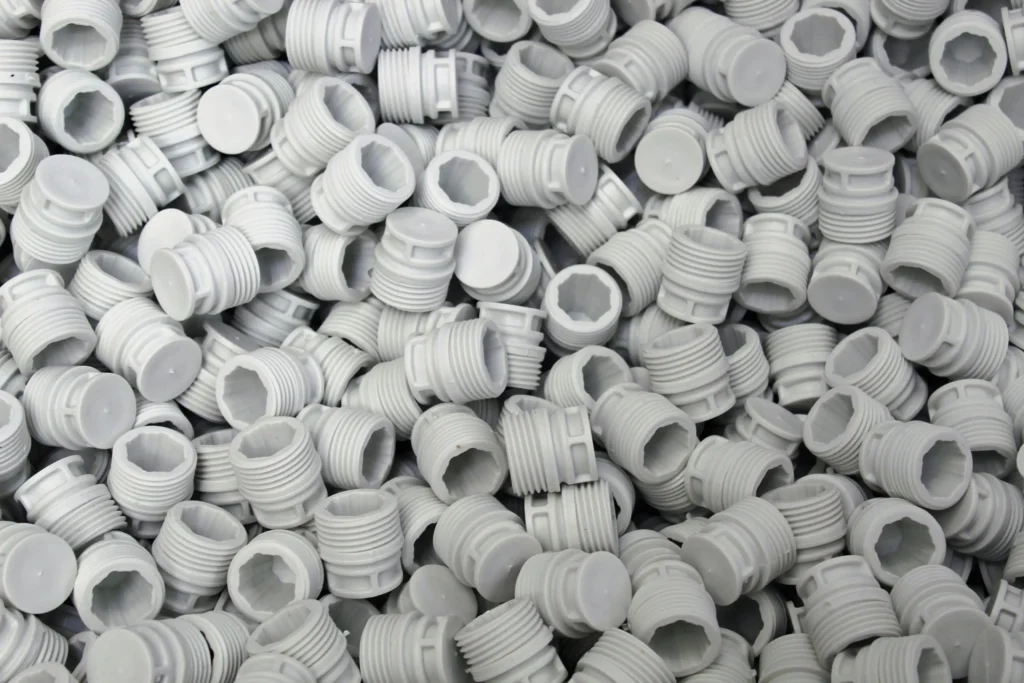
Plastic and molded components may rely more heavily on contour or profile comparison features, especially when checking for shape deformation or manufacturing variation. Meanwhile, QA documentation processes often benefit from image annotation and export functions for reporting and traceability purposes.
Selecting features based on the inspection objective helps improve efficiency while ensuring that measurements remain relevant to the application.
Electronics inspection
Machined parts
Plastic and molded components
The Risk of Overcomplicating Inspection
Although the Video Measuring System (VMS) software includes many advanced functions, using too many features unnecessarily can complicate the inspection process.
Complex workflows may increase operator training time and create inconsistencies between different users. In some cases, relying on overly detailed measurement methods can also slow down inspections and increase the likelihood of operator error.
A simpler and more focused measurement strategy is often more effective than using every available function. Selecting only the necessary tools helps maintain consistency, improves workflow efficiency, and keeps inspections easier to manage.
Conclusion
Effective Video Measuring System (VMS) operation is not about using the greatest number of features, but about selecting the right tools for the inspection task.
By choosing measurement functions that match the application requirements, operators can improve accuracy, maintain repeatability, and simplify inspection workflows. In many cases, the most effective setup is not the most complex one, but the simplest reliable method that produces meaningful and consistent results.