Batch Measurement vs Individual Inspection in Video Measuring Systems (VMS)
Inspection efficiency is important in manufacturing and quality control. In Video Measuring System (VMS) operation, measurements can be performed either individually or through batch inspection methods.
Both approaches have advantages depending on the application, production quantity, and inspection requirements.
What Is Individual Inspection?
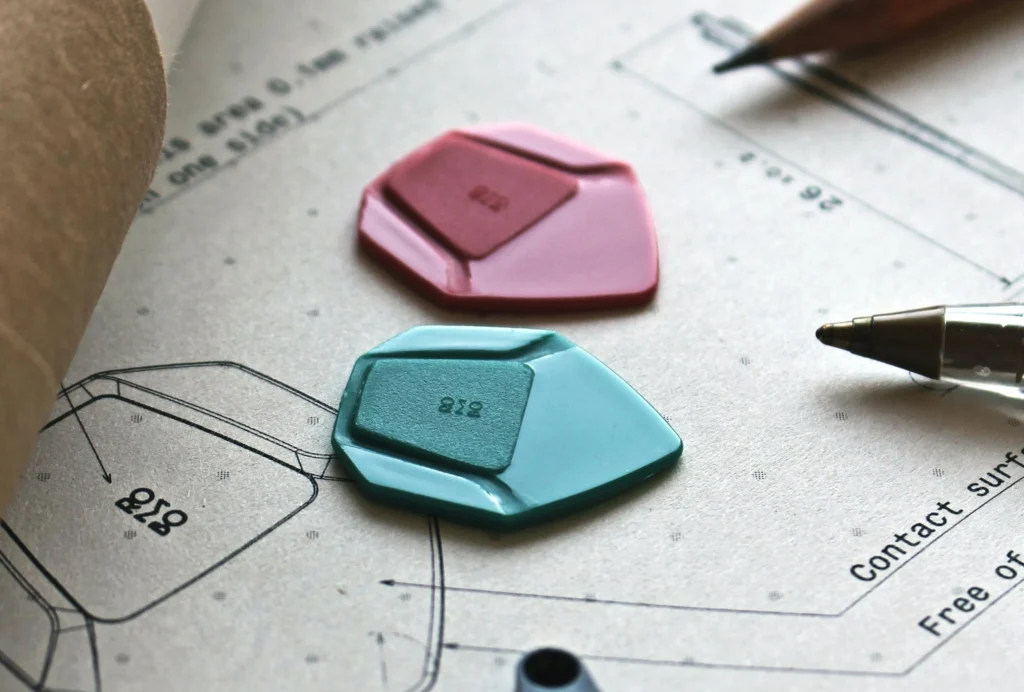
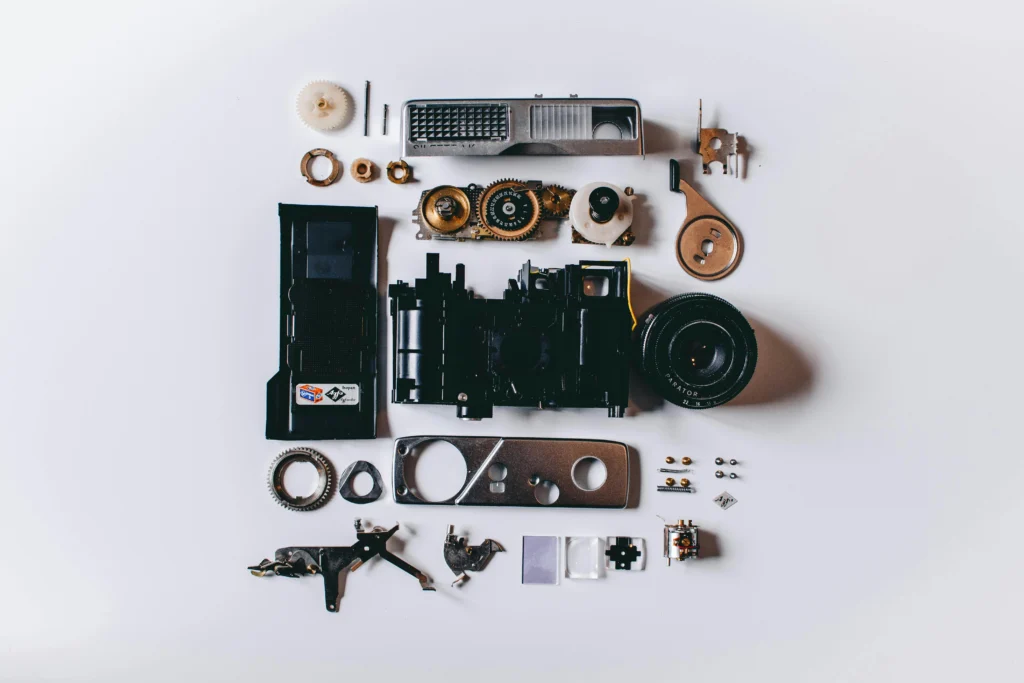
Individual inspection measures parts one at a time. Each component is positioned and inspected separately before moving to the next sample.
This method is commonly used for:
Prototypes
Custom components
Small production batches
Parts with different geometries
Individual inspection offers flexibility and allows operators to adjust measurements for each component when necessary.
Prototypes
Custom components
Parts with different geometries
What Is Batch Measurement?
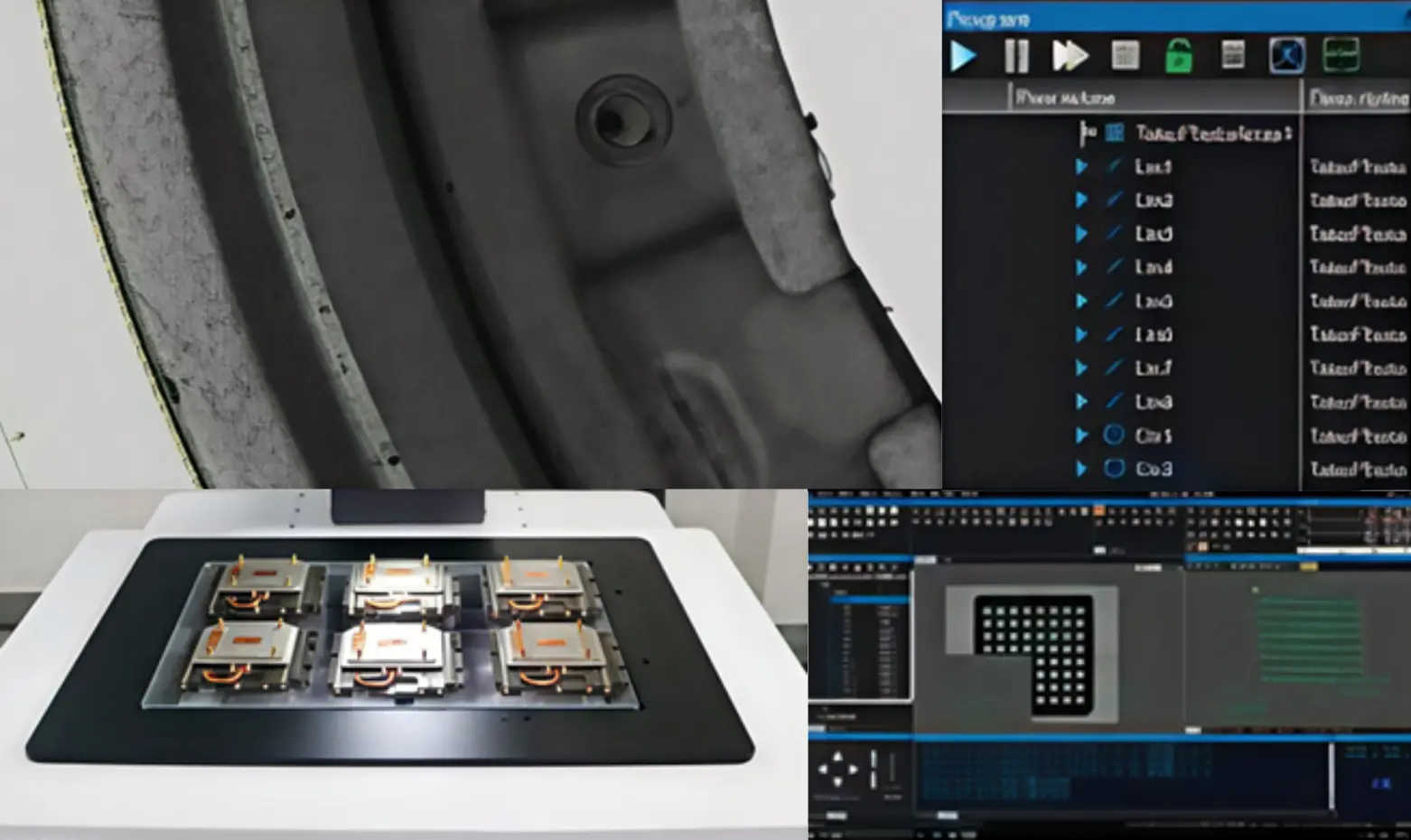
Batch measurement allows multiple identical parts to be inspected using the same measurement routine.
Once the measurement program is created, the same process can be repeated across multiple samples with minimal adjustment. This helps reduce inspection time and improve workflow consistency.
Batch measurement is commonly used in high-volume production environments where many identical parts require repeated inspection.
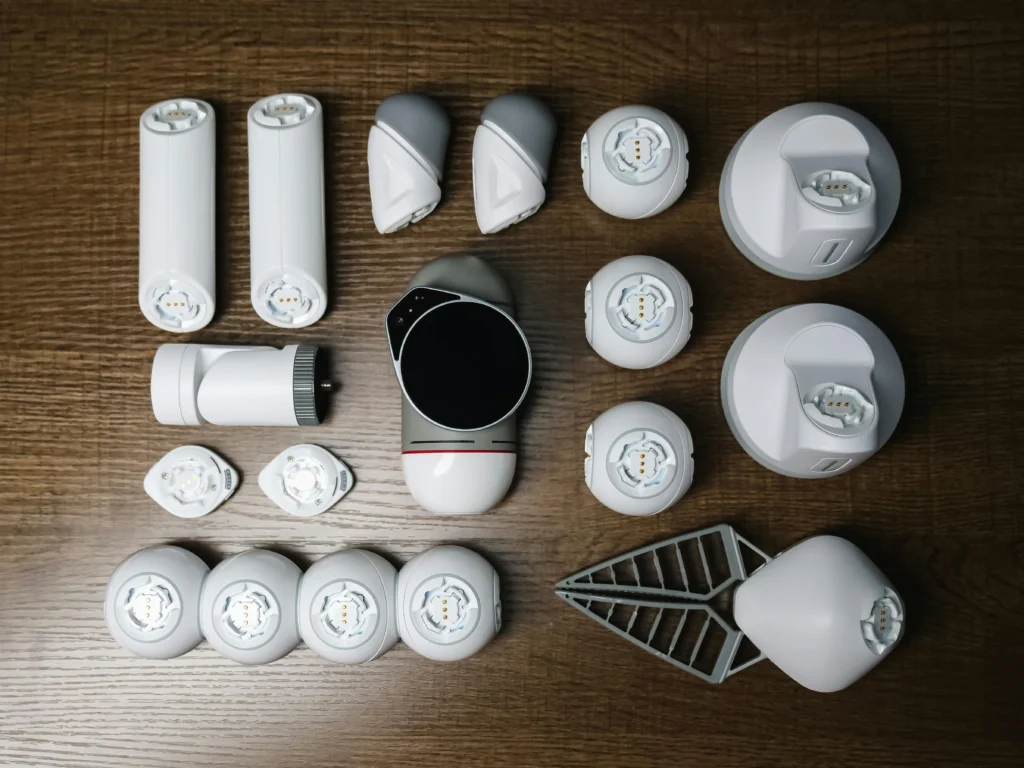
Samples for batch measurement
Advantages of Batch Measurement
Batch measurement offers several advantages in production inspection:
Faster inspection time
Improved repeatability
Reduced operator dependency
More consistent measurement workflows
Better efficiency for repetitive inspections
By reducing repeated setup and measurement steps, batch inspection can help improve productivity in manufacturing environments.
When Individual Inspection Is Better
Although batch measurement improves efficiency, individual inspection is still important in many situations.
One-by-one measurement is often more suitable for:
Non-uniform parts
Small production quantities
Prototype inspection
Components requiring manual alignment
Mixed product batches
In these situations, flexibility may be more important than inspection speed.
Limitations of Batch Measurement
Batch measurement works best when parts are positioned consistently and share similar geometries.
However, batch inspection may become less effective when:
Part alignment varies
Samples are inconsistent
Product geometries frequently change
Initial programming time is too high for small batches
Improper setup can also affect multiple measurements at once, making proper fixture positioning important during inspection.
The Importance of Stage Size in Inspection Efficiency
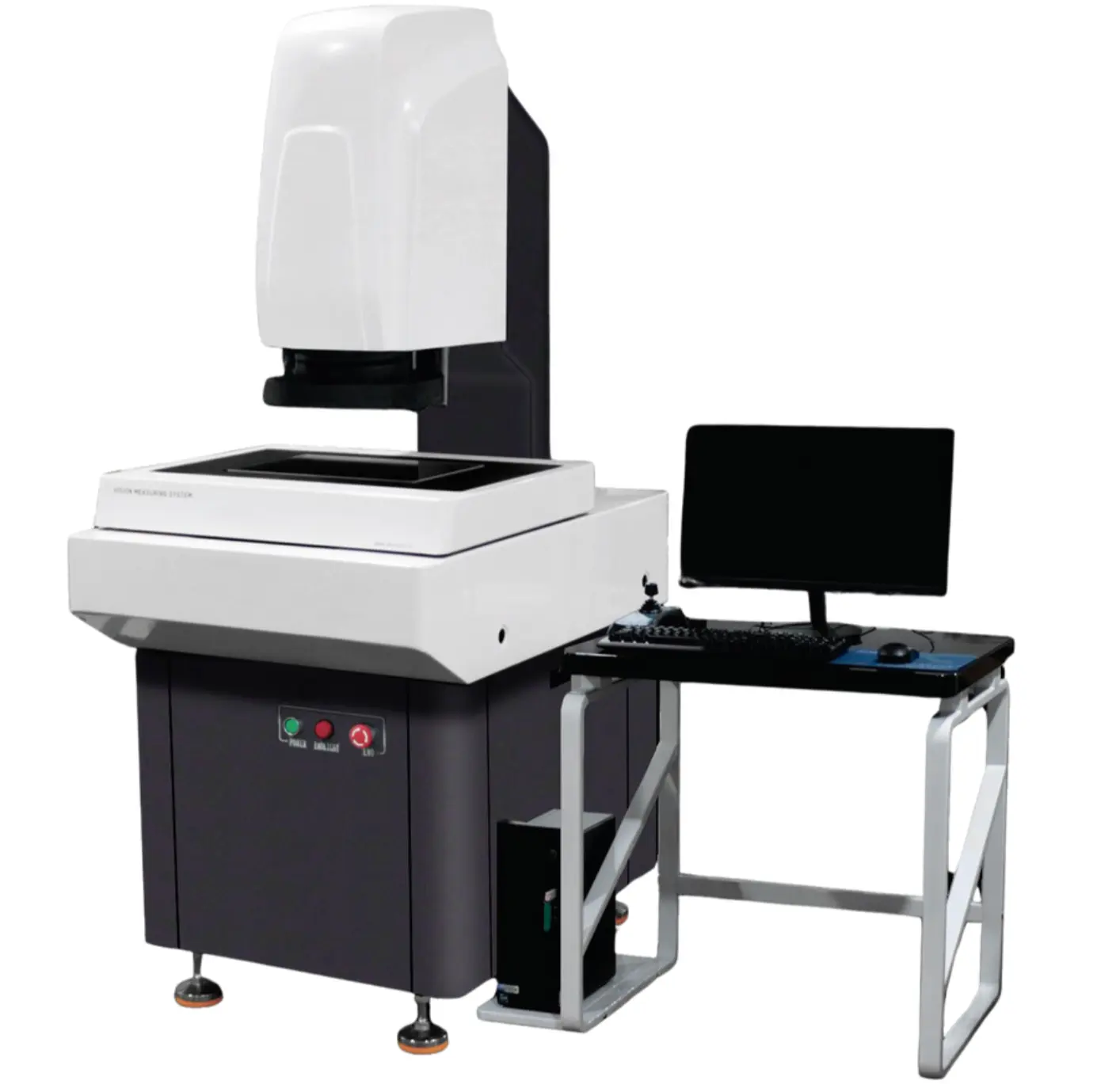
Stage size also plays an important role in Video Measuring System (VMS) inspection efficiency. A larger stage area allows operators to inspect multiple samples simultaneously using fixtures or jigs, reducing repeated repositioning during batch measurement.
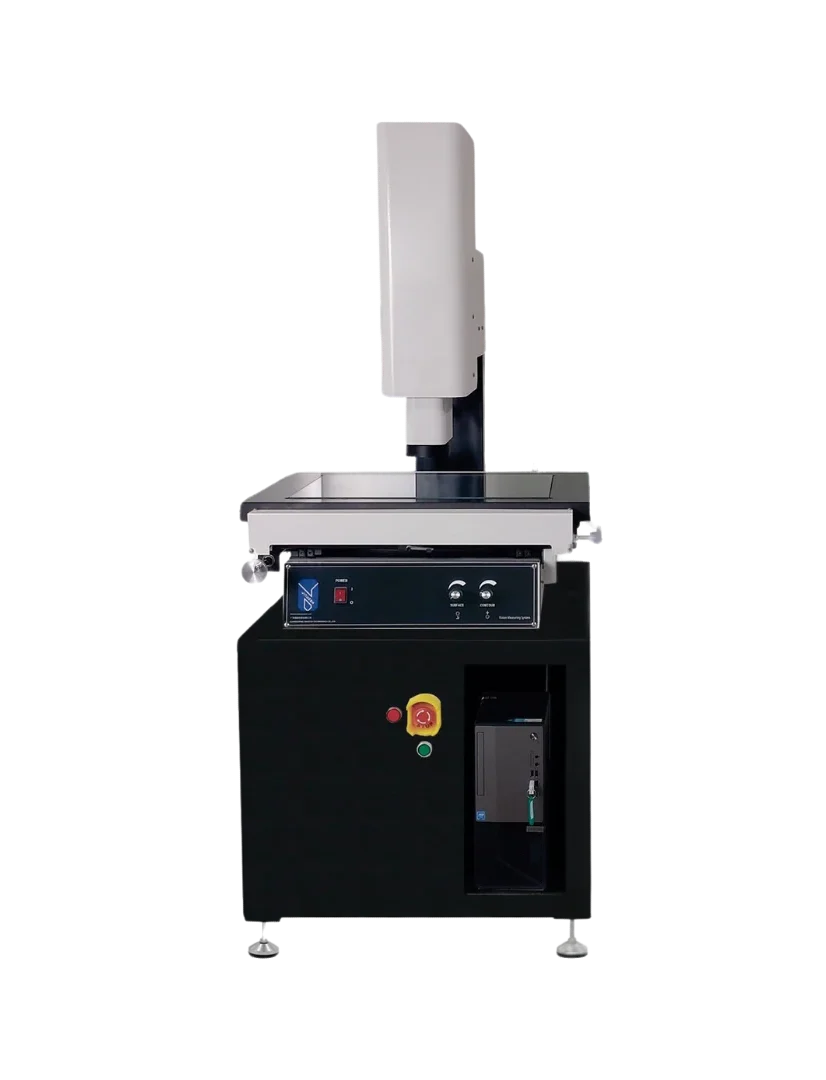
The Arc Series (Semi-Auto Video Measuring System) has a measuring range of 200 × 100 × 200 mm (XYZ), which is suitable for medium-sized components and routine inspection tasks. However, larger parts or multi-sample fixtures may become more difficult to position efficiently within a limited working area.
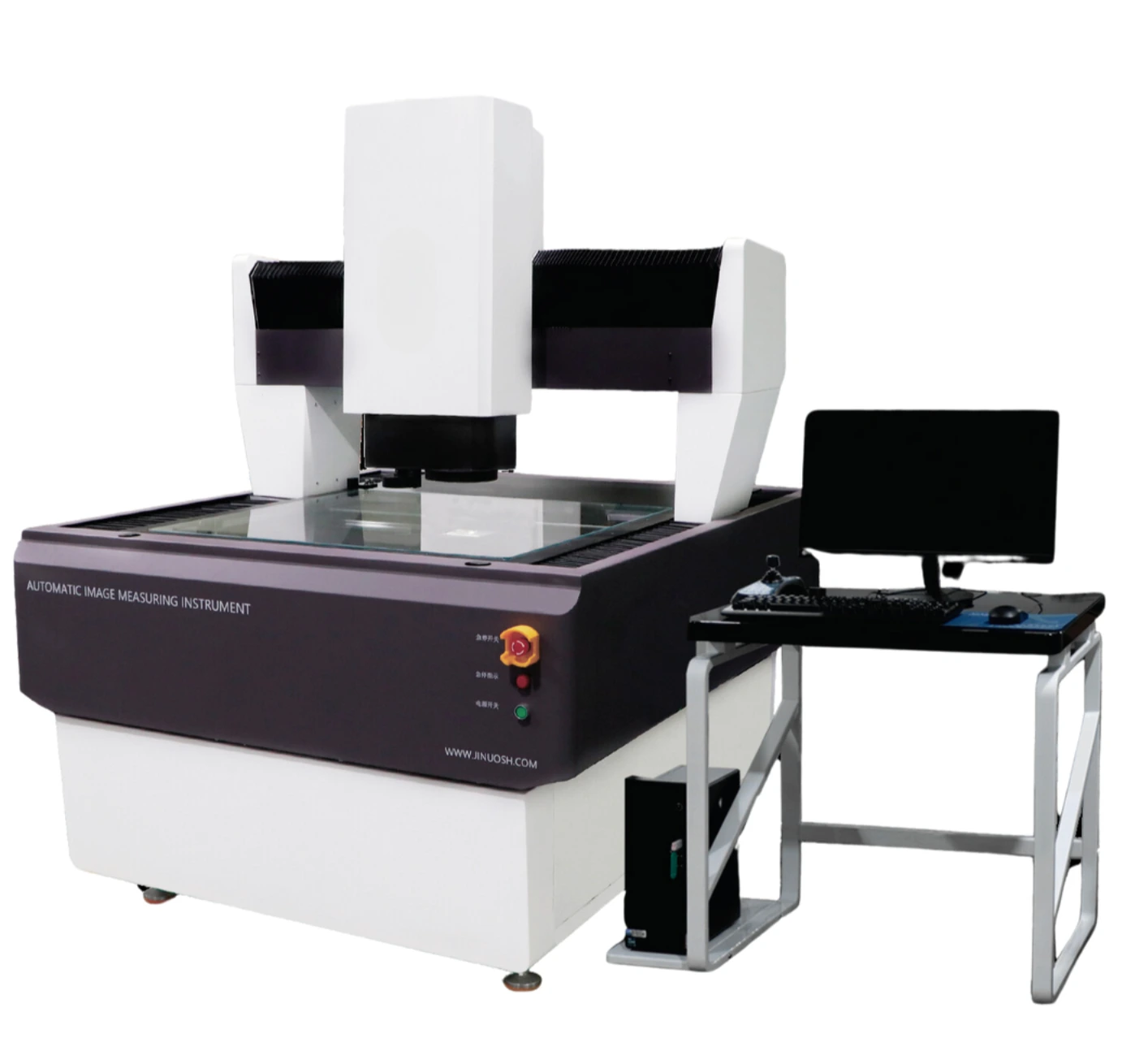
The Elite Series (Gantry Video Measuring System) provides a larger motorized stage area to support both batch inspection and large-part measurement applications. Models such as the ELITE 300, ELITE 500, and ELITE 800 offer XYZ stage dimensions of 300 × 200 × 200 mm, 500 × 400 × 200 mm, and 800 × 600 × 200 mm respectively, allowing larger components and multi-part fixtures to be inspected more efficiently.
The increased working area helps improve workflow flexibility, reduces repositioning requirements, and minimizes size limitations during individual inspection of larger samples. This makes the VMS Elite Series especially useful in manufacturing environments where both inspection speed and part size capability are important.
Both batch measurement and individual inspection play important roles in Video Measuring System (VMS) operation.
Batch measurement improves efficiency and consistency for repetitive inspections, while individual inspection provides greater flexibility for custom or variable components.
Selecting the appropriate inspection method depends on the production requirements, part geometry, and inspection objectives.