Precision Inspection in Performance Footwear Using Video Measuring System (VMS)
Modern performance footwear manufacturing demands high levels of precision, consistency, and quality control to meet the expectations of athletes and consumers alike. From marathon running shoes and basketball footwear to football cleats and track spikes, manufacturers continue to develop lighter materials, advanced cushioning systems, and increasingly complex outsole geometries to enhance comfort and athletic performance.
To support modern footwear production requirements, Video Measuring Systems (VMSs) can be applied in dimensional inspection, profile verification, and tooling evaluation. Their non-contact optical measurement capabilities make them suitable for inspecting molded components, patterned geometries, and precision tooling used in footwear manufacturing.
What is a Video Measuring System (VMS)?
A Video Measuring Systems (VMSs) is a non-contact optical inspection system used to measure component dimensions and geometries with high accuracy. These systems typically combine cameras, optical lenses, lighting systems, and measurement software to capture dimensional data and analyze component features.
Compared to conventional contact measurement methods, Video Measuring Systems (VMSs) are particularly effective for applications that require fast inspection, contour measurement, and non-contact analysis of delicate or soft materials. As a result, they are commonly used across various manufacturing industries for dimensional verification and quality assurance applications.
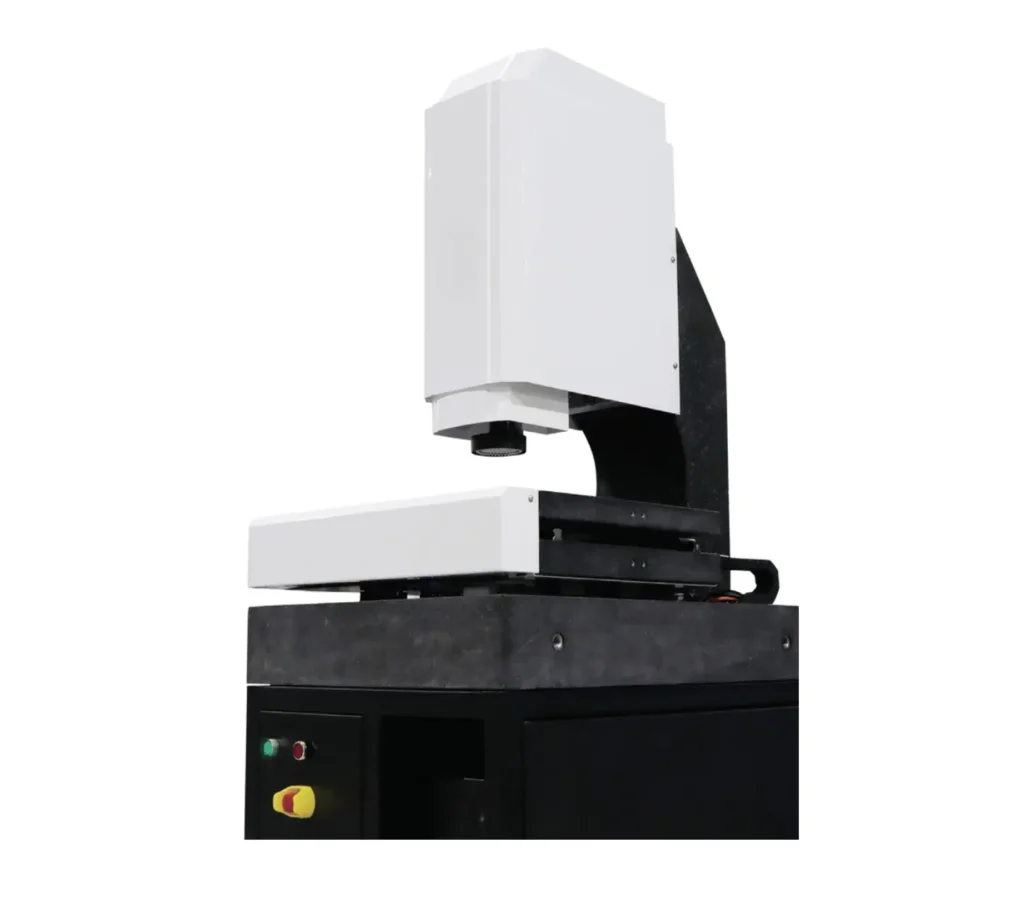
Nimbus Series (Fully Automatic Video Measuring System)
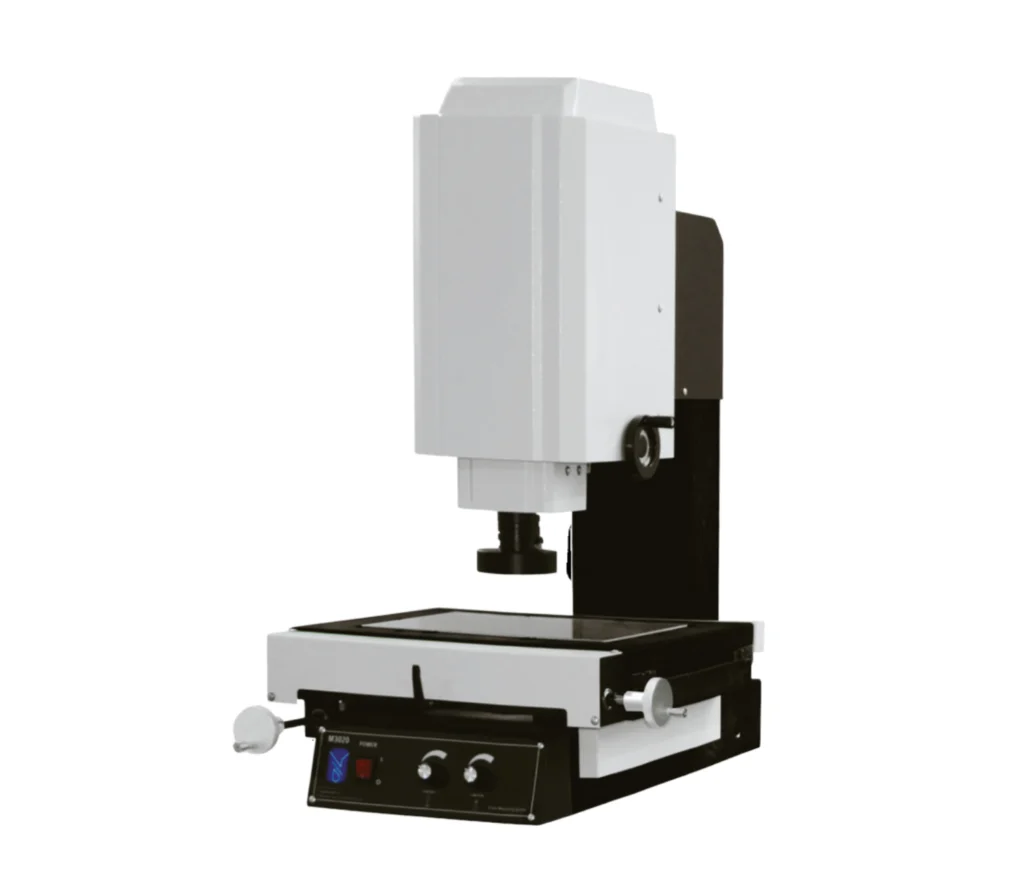
Hexa Series (Manual VMS)
Why Precision Matters in Performance Footwear
Performance footwear is engineered to provide reliable support, comfort, and durability under demanding athletic conditions. In applications such as running, basketball, football, and track sports, maintaining dimensional consistency is essential to ensure dependable product performance.
Even small dimensional deviations can affect outsole alignment, cushioning distribution, material positioning, or tread geometry. Over time, these inconsistencies may influence comfort, stability, traction, and long-term wear performance during repeated high-impact movement.
As footwear designs increasingly incorporate advanced foam materials, carbon plate structures, and intricate tread patterns, precision inspection becomes even more critical for maintaining manufacturing consistency and product quality.
Applications of Video Measuring Systems (VMSs) in Performance Footwear Manufacturing
The features and functions of Video Measuring Systems (VMSs) can be applied in the following areas of performance footwear manufacturing:
1. Outsole and Midsole Inspection
Video Measuring Systems (VMSs) are commonly used to inspect outsole and midsole components by verifying tread geometry, contour profiles, and dimensional consistency during production.
2. Mold and Tooling Inspection
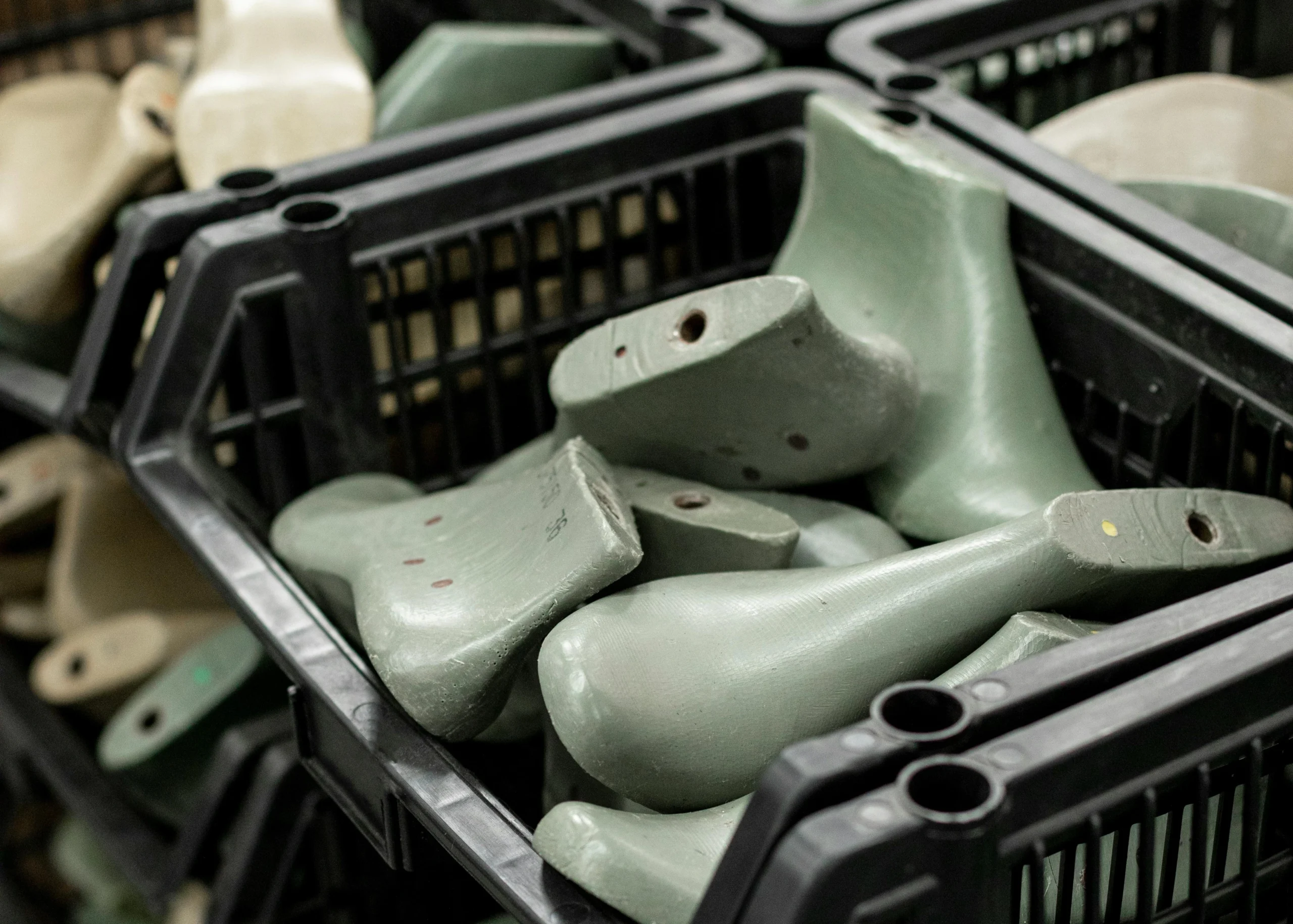
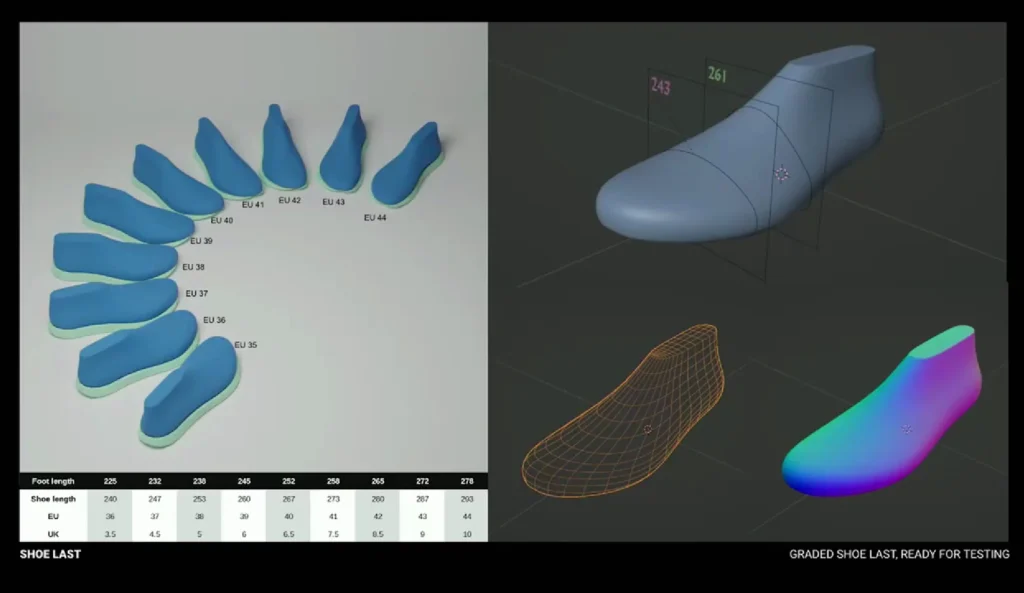
Manufacturers also use Video Measuring Systems (VMSs) to inspect molds and tooling for dimensional accuracy and wear conditions, helping reduce production variation.
3. Inspection of Small Precision Features
High-magnification optical measurement allows Video Measuring Systems (VMSs) to inspect small tread patterns, textured surfaces, and precision inserts used in modern footwear designs.
4. Non-Contact Measurement of Soft Materials
Since Video Measuring Systems (VMSs) use non-contact optical measurement, they are suitable for inspecting soft foam materials and flexible components without deforming the surface.
These applications demonstrate how Video Measuring Systems (VMSs) support consistent quality control across multiple stages of footwear manufacturing.
Advantages of Using Video Measuring Systems (VMSs) in Footwear Inspection
Reduced risk of material deformation during inspection
Fast inspection and measurement processes
Improved manufacturing quality control
These advantages help manufacturers maintain dimensional consistency while supporting the demands of modern footwear production.
Limitations and Challenges
Video Measuring Systems (VMSs) may face limitations when inspecting highly reflective, textured, or low-contrast materials, which can affect image clarity and edge detection accuracy.
In some cases, larger footwear assemblies or hidden internal structures may also be difficult to inspect using standard optical measurement systems.
Conclusion
As performance footwear designs continue to evolve, precision inspection remains important for maintaining product consistency and quality. Video Measuring Systems (VMSs) provide reliable non-contact inspection capabilities for evaluating outsole geometries, tooling, and precision features used in modern footwear manufacturing. By supporting dimensional accuracy and quality assurance, these systems help manufacturers meet the growing demands of the performance footwear industry.