Limitations of Optical Measurement in Industrial Inspection
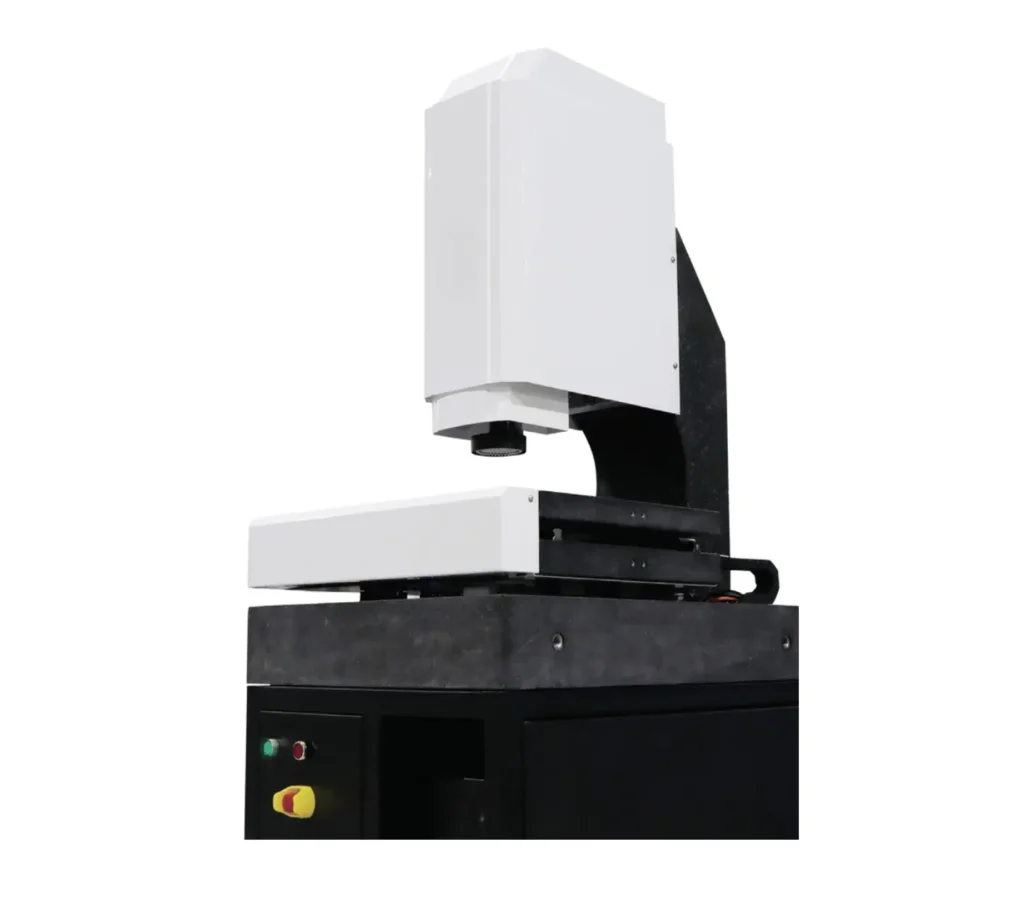
Optical measurement systems are widely used in industrial inspection because they provide fast, non-contact, and highly detailed measurements. Video Measuring System (VMS) are commonly applied in quality control, dimensional inspection, and manufacturing environments where repeatability and efficiency are important.
However, optical measurement is not suitable for every inspection condition. Factors such as surface reflectivity, material transparency, complex geometries, and part positioning can affect measurement reliability and inspection consistency.
Understanding these limitations helps operators select suitable inspection methods and achieve more reliable measurement results.
Surface Reflectivity and Lighting Challenges
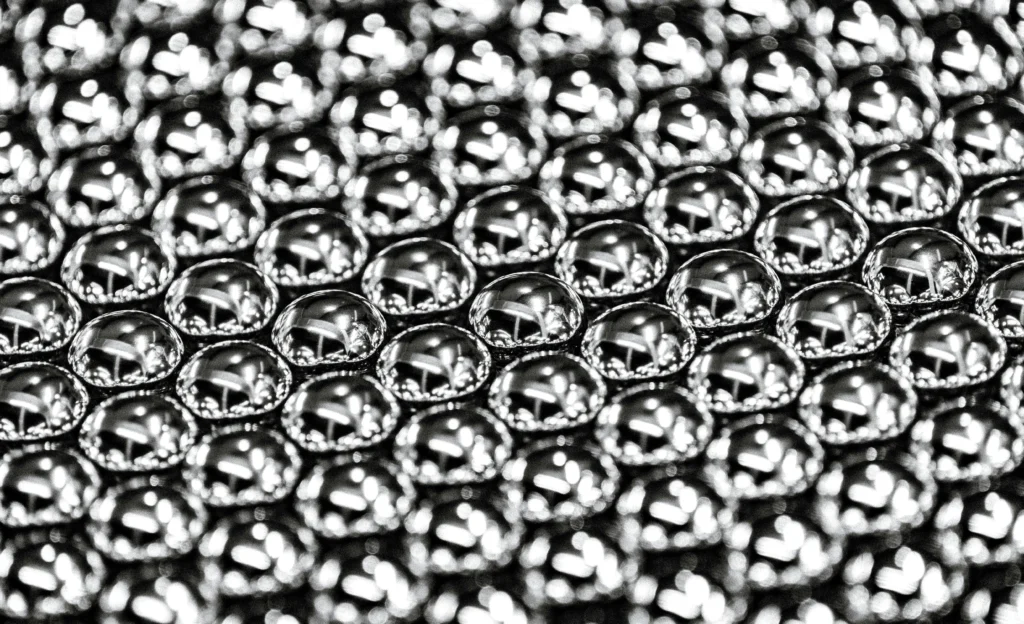
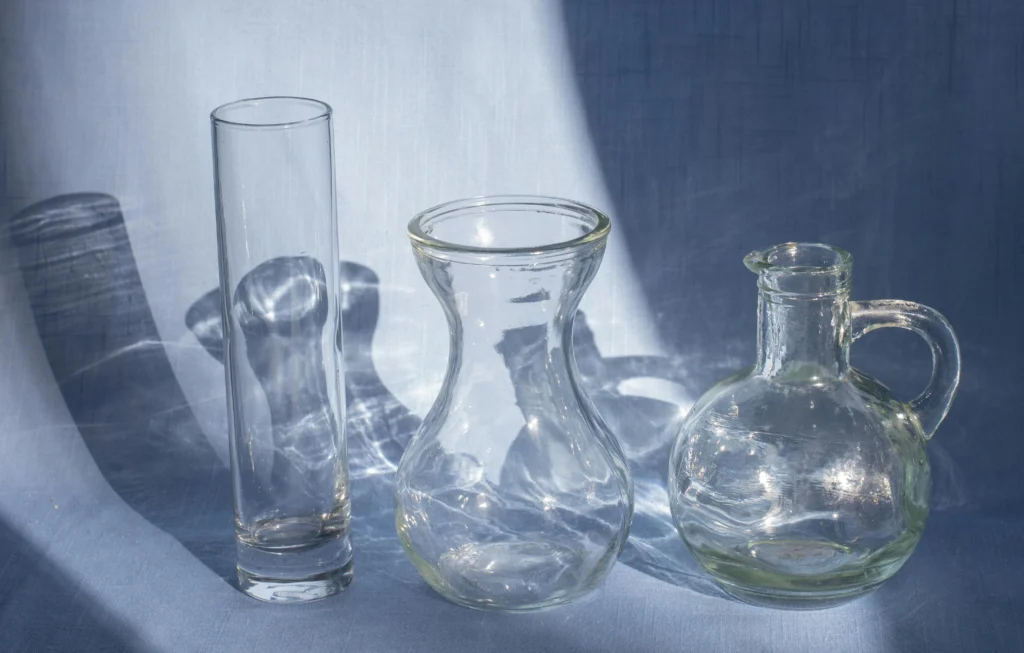
Surface condition plays an important role in optical measurement performance. Highly reflective metals may create glare or excessive light reflection, while transparent materials can make edge detection more difficult during inspection.
In some cases, poor edge contrast may reduce measurement consistency, especially when part boundaries are difficult to distinguish from the background. This can affect the Video Measuring System (VMS) software’s ability to detect edges accurately.
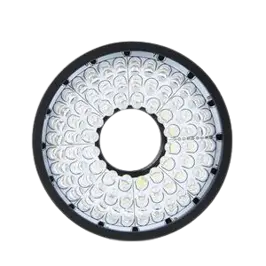
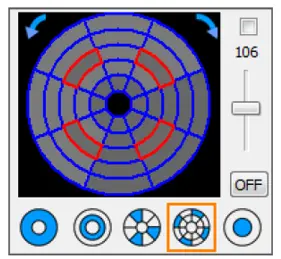
Proper lighting adjustment is therefore important in VMS inspection. Adjusting illumination intensity, direction, and LED lighting sections can help improve edge visibility and image clarity for different materials and surface finishes.
Highly reflective surfaces
Transparent materials
Difficulty Measuring Hidden Features
Optical measurement systems generally require a direct line-of-sight between the camera and the measured feature. Features that are blocked, recessed, or positioned inside the component may therefore become more difficult to inspect.
Internal geometries, deep holes, and obscured features can present challenges because the camera may not capture the measurement area clearly. In some situations, limited visibility may affect edge detection and measurement reliability.
For these applications, part positioning, fixture setup, and lighting adjustment become especially important for obtaining stable inspection results.
Limitations with Complex 3D Geometry
Compared to inspecting visible surface features and simpler geometries, components with steep surfaces, large height variations, or complex three-dimensional shapes may become more challenging to measure accurately.
In some situations, changes in focus height or limited camera visibility may affect edge detection and measurement consistency. Certain applications may also require additional measurement methods such as touch probes or alternative inspection systems to evaluate complex geometries more effectively.
Understanding the geometry of the inspected component is important when selecting the appropriate optical measurement approach.
Important Considerations
Although reflective surfaces, transparent materials, and complex geometries may present challenges for optical measurement, these features can still often be inspected using Video Measuring Systems (VMS) with proper setup and lighting adjustment.
For example, the Nimbus Series (Fully Automatic Video Measurement System) support 2.5D measurement capabilities and include adjustable 3 ring and 8 sectioned LED lighting to improve edge visibility and image contrast during inspection.
However, challenging surfaces or complex geometries may reduce measurement stability compared to standard inspection conditions. In applications requiring extremely tight tolerances, additional setup optimization or slightly broader tolerance allowances may sometimes be necessary to maintain reliable inspection results.
Optical measurement systems provide fast, efficient, and non-contact inspection capabilities for many industrial applications. However, measurement performance can be affected by factors such as lighting conditions, part geometry, surface characteristics, and setup stability.
Understanding these limitations helps operators apply Video Measuring Systems (VMS) more effectively while improving inspection reliability and consistency. In many cases, the best results come from selecting suitable inspection methods and optimizing the measurement setup for the application.