Designing an Efficient Inspection Workflow Using Video Measuring Systems (VMS)
It is common to view a Video Measuring System (VMS) as an efficient inspection solution. In practice, however, the efficiency of inspection does not come from the system alone, but from how the workflow is designed around it.
A Video Measuring System (VMS)is a powerful tool, but without a structured inspection approach, its capabilities may not be fully utilized. To fully utilize a VMS, the focus should shift from the system itself to how the inspection process is planned and executed.
The Purpose of Inspection
Before designing any inspection workflow, it is important to first define the objective.
Not all measurements serve the same purpose. Some are critical for product functionality, while others are used for process monitoring or documentation. Identifying which dimensions truly matter helps focus the inspection process.
In some cases, inspection workflows may include more measurements than necessary, which can increase inspection time without adding meaningful value. An effective workflow begins by prioritizing what needs to be measured.
Feature Selection: Measuring What Matters
Once the objective is clear, the next step is selecting the features to be measured.
In practice, emphasis should be placed on:
Critical dimensions with defined tolerances
Features that affect fit, function, or performance
Key reference points used for alignment
This selection process ensures that the inspection workflow remains focused on meaningful measurements, rather than becoming a routine of collecting excessive data.
By focusing on essential features, the inspection process becomes more efficient and easier to manage.
The next step in designing an inspection workflow is determining the sequence in which features are measured.
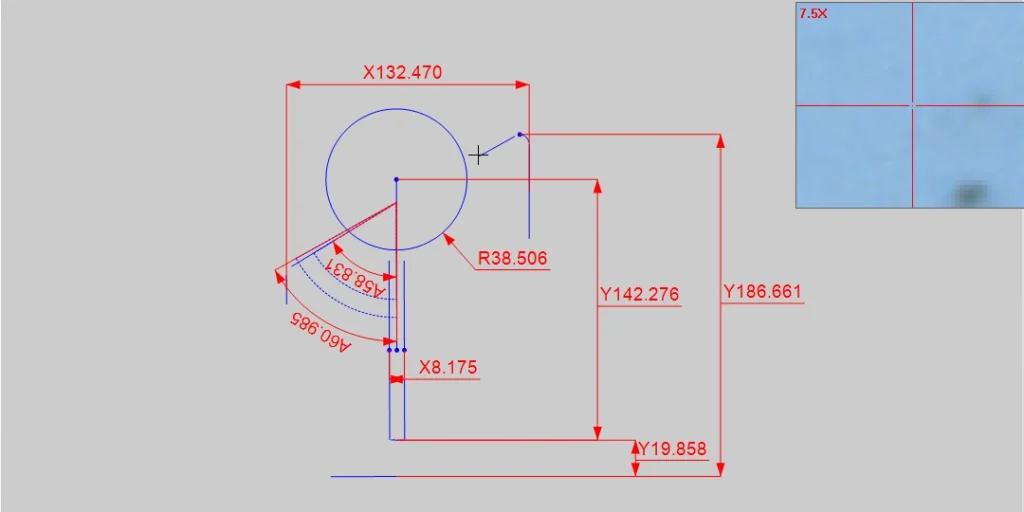
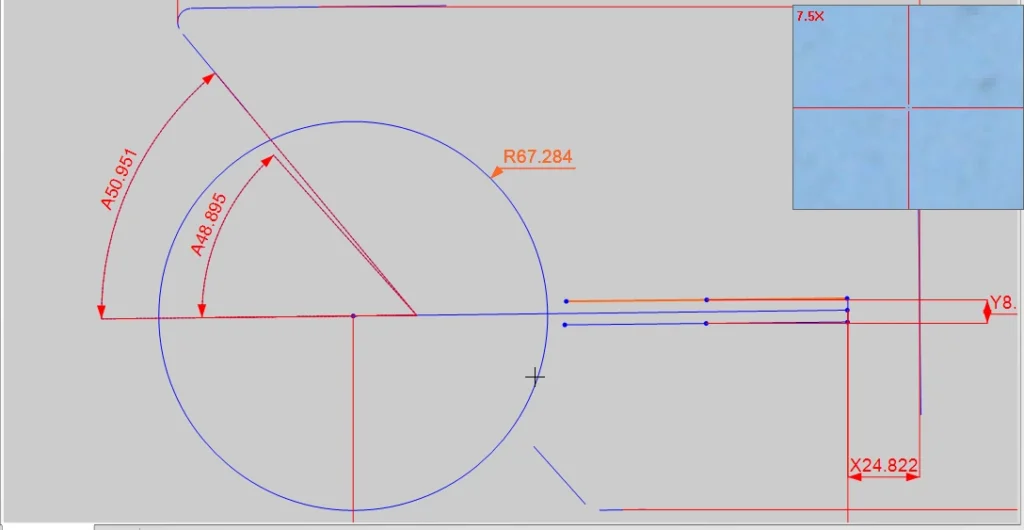
The order in which features are measured plays a significant role in workflow efficiency. A structured approach typically begins with establishing reference features or datums, followed by measuring dependent features relative to those references. This reduces the need for repeated adjustments and improves consistency across measurements.
Without a defined sequence, measurements may require unnecessary repositioning or repeated setup, which can affect overall efficiency. A well-planned sequence minimizes unnecessary movement and ensures that each step builds on the previous one.
Fixture and Positioning Strategy
Another important aspect of an efficient workflow is how the sample is positioned during inspection.
Stable and repeatable positioning of the sample helps ensure that measurements can be carried out consistently. Even with a non-contact system like the Video Measuring System (VMS), inconsistent placement may require repeated adjustments or lead to variations in results.
In practice, Video Measuring Systems are capable of measuring parts even when each sample is placed in a different position. This is achieved by re-establishing reference features or alignment before measurement. However, doing so requires the operator to locate and define these references for each part, which can increase inspection time, especially in manual workflows.
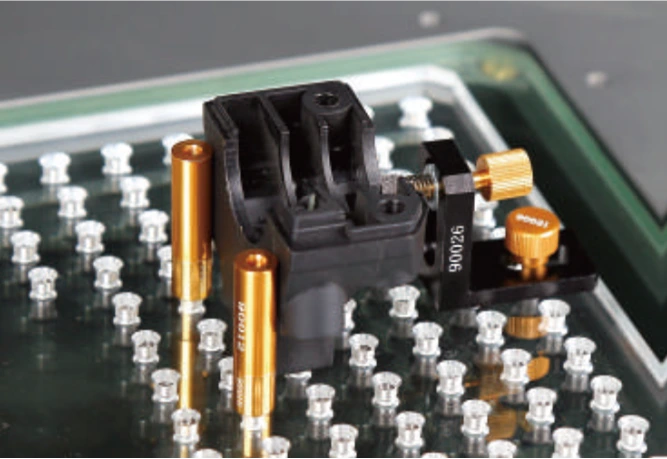
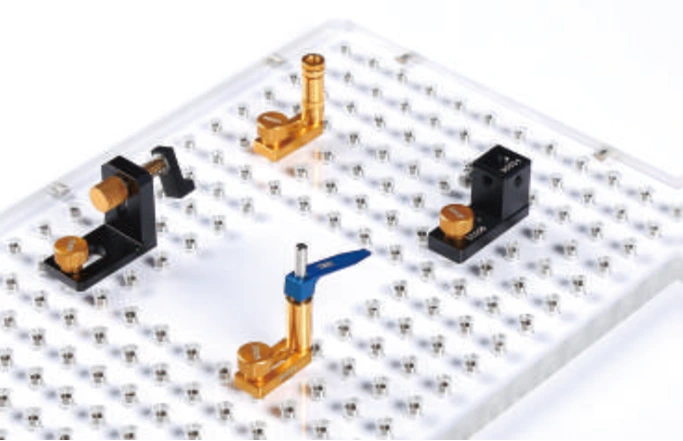
To improve efficiency when inspecting multiple similar parts, the use of fixtures or jigs can help maintain consistent positioning. This reduces the need for repeated alignment and allows measurements to be carried out more quickly, particularly in batch inspection scenarios.
Using appropriate fixtures or positioning methods helps maintain consistency and reduce setup time between measurements. An effective positioning strategy allows the operator to focus on measurement rather than repeatedly adjusting the sample.
Jigs and fixtures are used to maintain consistent part positioning
Automated vs Manual Measurement
The next consideration in workflow design is the balance between manual and automated measurement.
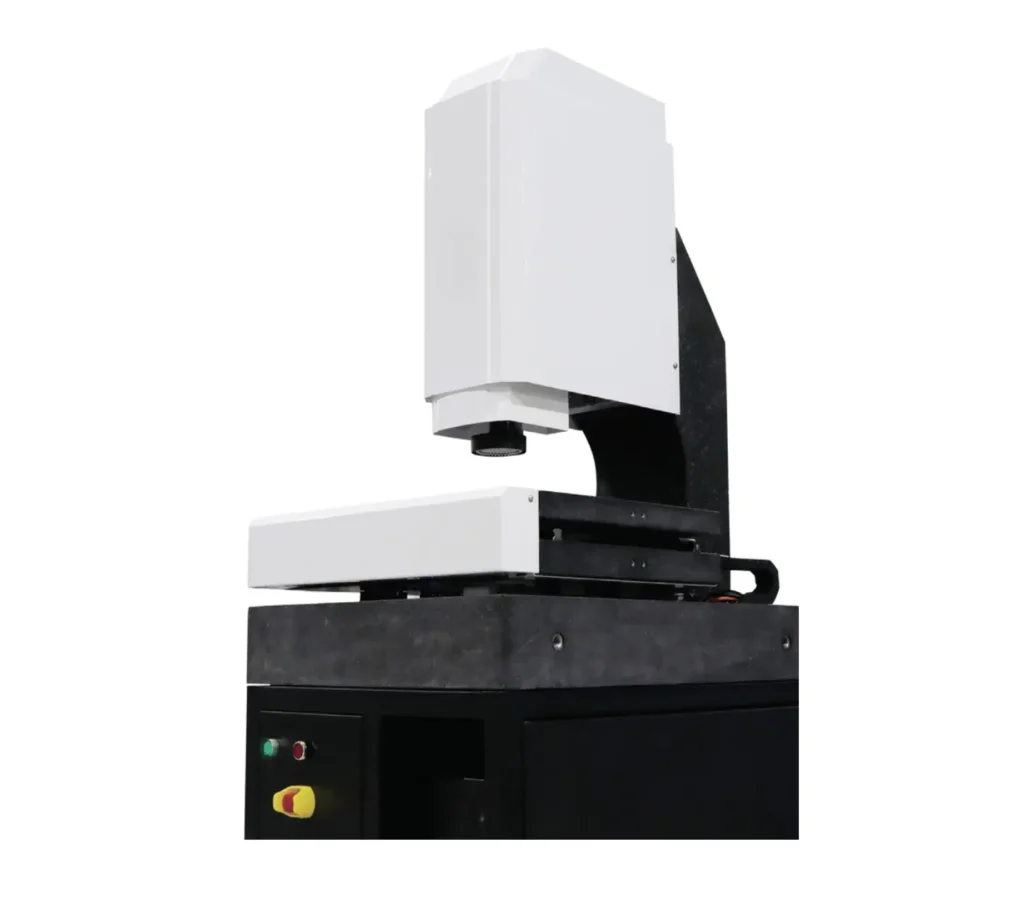
Video Measuring Systems (VMS) often provide options for both approaches. An automatic VMS can improve efficiency for repetitive inspection tasks, particularly when measuring the same features across multiple parts. Pre-programmed routines help ensure that measurements are carried out consistently and reduce the need for repeated setup.
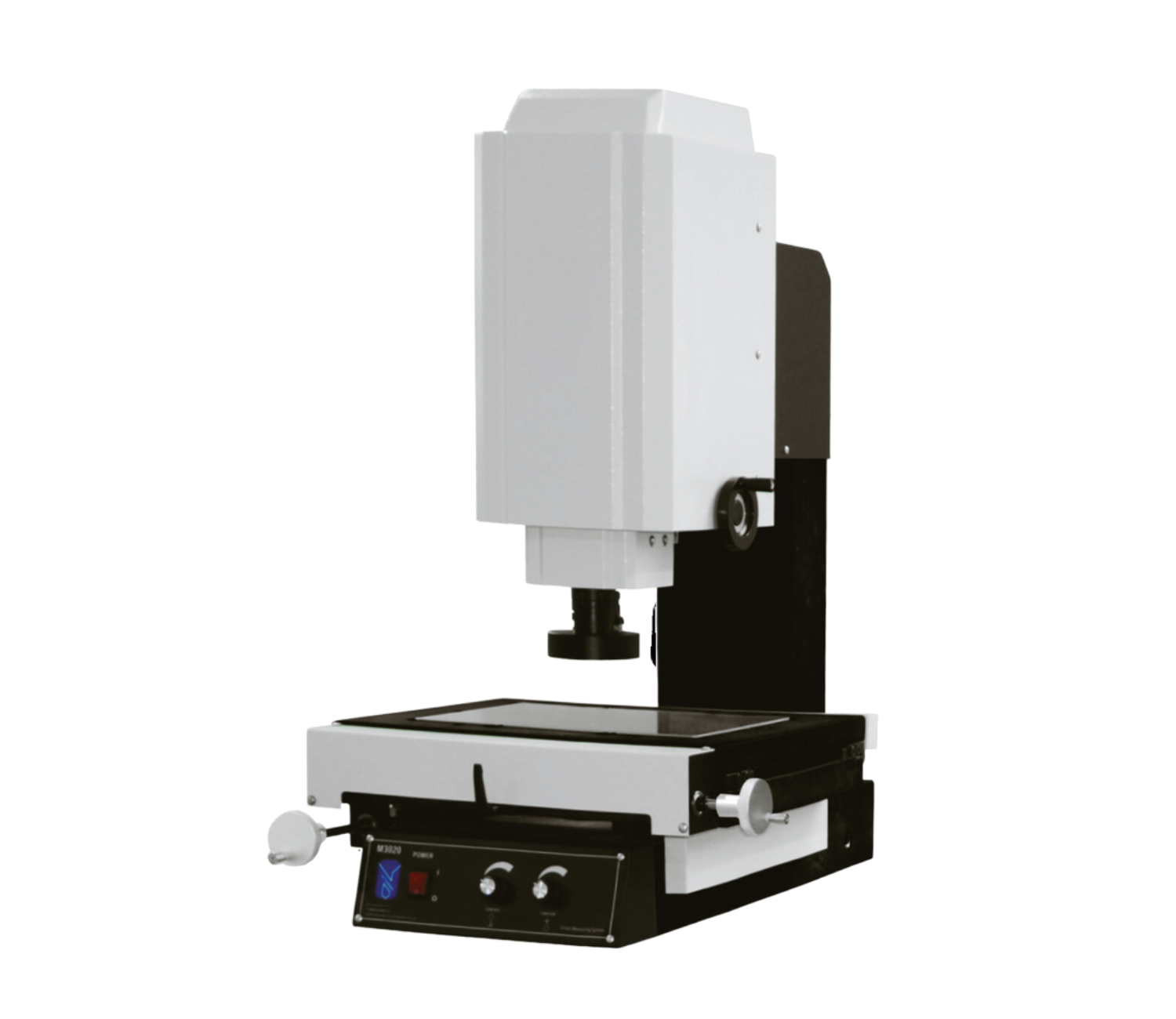
Manual Video Measuring Systems (VMS) can also utilize pre-programmed measurement routines. However, the difference lies in how the manual VMS reaches each measurement position. In manual VMS, the operator is required to move the stage to the required features before executing the measurement steps, which can increase the time required compared to fully automated systems.
However, manual measurement remains useful in situations such as initial setup, prototyping, or one-off inspections. In many cases, automation is most effective when the workflow is already clearly defined and stable.
Hexa Series (Manual VMS)
Nimbus Series (Fully Automatic Video Measuring System)
Data Handling and Output
An often-overlooked aspect of inspection workflow is how measurement data is handled and presented.
Clear and structured reporting allows results to be interpreted efficiently and used for decision-making. At the same time, collecting excessive or unnecessary data may increase analysis time without providing additional value.
An effective workflow focuses on generating data that is relevant, usable, and aligned with the purpose of inspection.
Measuring features that do not contribute to the inspection objective
Poorly structured measurement sequences
Repeated setup or repositioning of samples
Overcomplicated measurement routines that are difficult to maintain
Addressing these factors can help improve both efficiency and consistency without requiring changes to the measurement system itself.
Conclusion
A Video Measuring System (VMS) offers powerful measurement capabilities, but efficiency in inspection is not defined by the system itself. It is determined by how effectively the inspection workflow is designed and implemented.
From defining inspection objectives to structuring measurement sequences and optimizing positioning, each step contributes to how efficiently and meaningfully measurements are carried out. A well-designed workflow ensures that measurement is not just a process of data collection, but a tool for informed decision-making.