Incoming Inspection vs. In-Process Inspection vs. Final Inspection: What’s the Difference?
A single inspection stage cannot detect every potential defect in a manufacturing process. A supplier may deliver material that appears acceptable but fails to meet dimensional or material requirements. A part may pass an early inspection but develop defects due to process variation during production. Even a completed product that appears visually acceptable may still contain issues that affect its performance.
This is why manufacturers rely on multiple inspection stages throughout the production process.
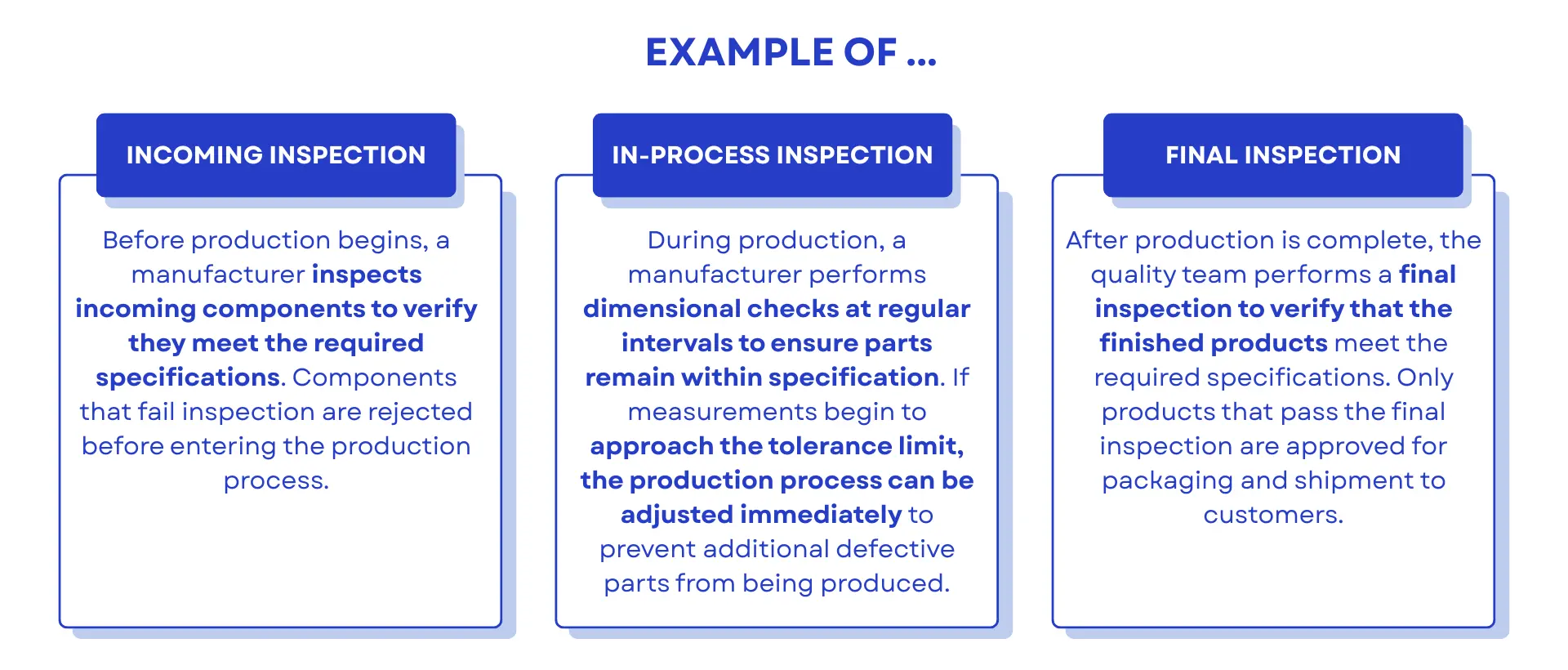
Incoming inspection, in-process inspection, and final inspection each serve a different purpose:
Incoming inspection verifies whether materials and components received from suppliers meet requirements before entering production.
In-process inspection monitors production activities to ensure parts remain within specification during manufacturing.
Final inspection confirms that completed products meet all requirements before delivery to customers.
Together, these inspection stages create a complete quality control approach that helps manufacturers detect defects early, reduce production risks, and maintain consistent product quality.
Manufacturing Process and Inspection Workflow
Quality inspection is integrated throughout the manufacturing process rather than being performed only after production is complete. By inspecting materials and products at different stages, manufacturers can identify problems closer to their source and prevent defective products from progressing further.
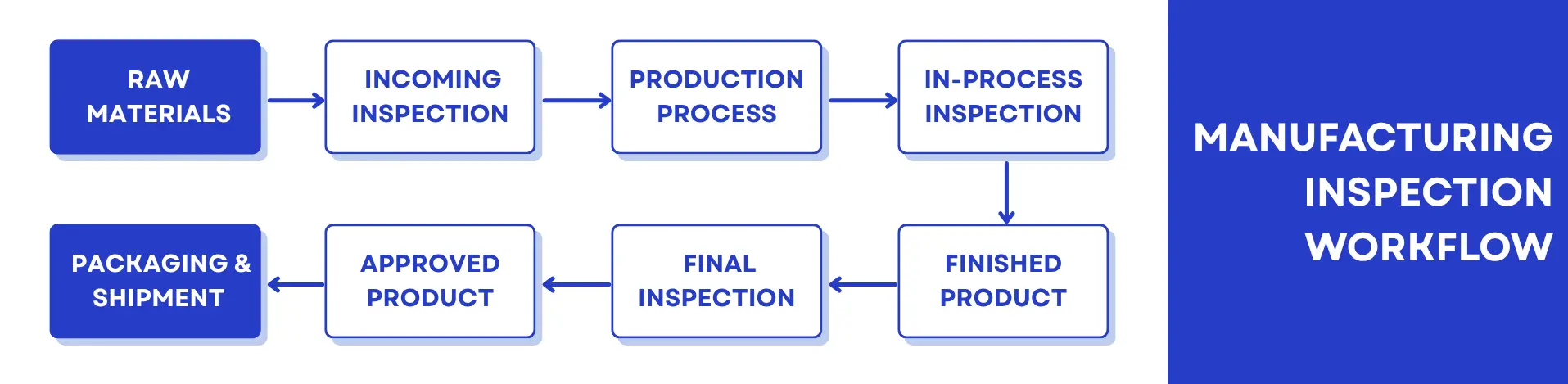
The typical manufacturing inspection workflow can be represented as follows:
Each inspection stage acts as a checkpoint to verify that materials, processes, and finished products continue to meet specified requirements.
Why Multiple Inspection Stages Are Necessary
Manufacturing defects can occur at different points throughout the production process. A supplier may provide incorrect material, a machine may experience wear over time, or an assembly error may occur during production.
If inspection is performed only at the end of manufacturing, defects may only be discovered after significant time, material, and labour costs have already been invested.
By implementing inspection at multiple stages, manufacturers can:
Identify problems earlier
Reduce scrap and rework costs
Improve production consistency
Prevent defective products from reaching customers
Maintain better control over manufacturing processes
A strong quality control system does not rely on one inspection method alone. Instead, it creates multiple opportunities to detect and correct issues throughout production.
What Is Incoming Inspection?
Incoming inspection, also known as receiving inspection or Incoming Quality Control (IQC), is the process of inspecting raw materials, purchased components, or outsourced parts when they arrive from suppliers.
Before these materials are released into production, manufacturers verify that they meet the required specifications and quality standards. This is to prevent non-conforming materials from entering the manufacturing process.
For example, if incorrect raw material enters production, every subsequent manufacturing step may be affected. Detecting the issue during incoming inspection prevents wasted machining time, labour costs, and production delays.
What Is Checked During Incoming Inspection?
The specific checks performed depend on the type of material or component received. Common inspection activities include:
Dimensional verification against drawings
Quantity and packaging verification
Material grade and certification verification
Hardness testing
Surface defect inspection
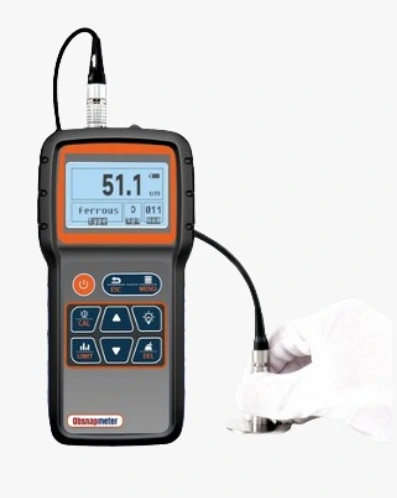
Coating thickness measurement
What Is In-Process Inspection?
In-process inspection is performed during manufacturing while parts are being produced. Unlike incoming inspection, in-process inspection focuses on monitoring the manufacturing process itself.
The purpose is to identify process variations before they result in large quantities of defective parts. Manufacturing processes can change over time due to factors such as machine wear, incorrect setup, temperature changes, and operator errors.
By performing inspections during production, manufacturers can make adjustments before defects become widespread.
What Is Checked During In-Process Inspection?
Depending on the manufacturing process, in-process inspection may involve checking:
Critical dimensions
Component alignment
Hole positions
Surface finish
Assembly accuracy
Material properties after processing
Manufacturers may perform inspections at scheduled intervals, after important production steps, or whenever process conditions change.
What Is Final Inspection?
Final inspection is the last quality verification stage performed after manufacturing and assembly are completed.
Before products are packaged and delivered to customers, manufacturers confirm that the finished product satisfies all required specifications. Final inspection acts as the final checkpoint to ensure that products leaving the factory meet customer expectations.
What Is Checked During Final Inspection?
Final inspection may include:
Final dimensional verification
Visual inspection
Functional testing
Surface quality evaluation
Documentation verification
Packaging and labeling checks
The exact inspection requirements depend on the product type and industry.
Incoming vs. In-Process vs. Final Inspection: Key Differences
Although incoming inspection, in-process inspection, and final inspection are all part of quality control, each stage focuses on preventing different types of defects.
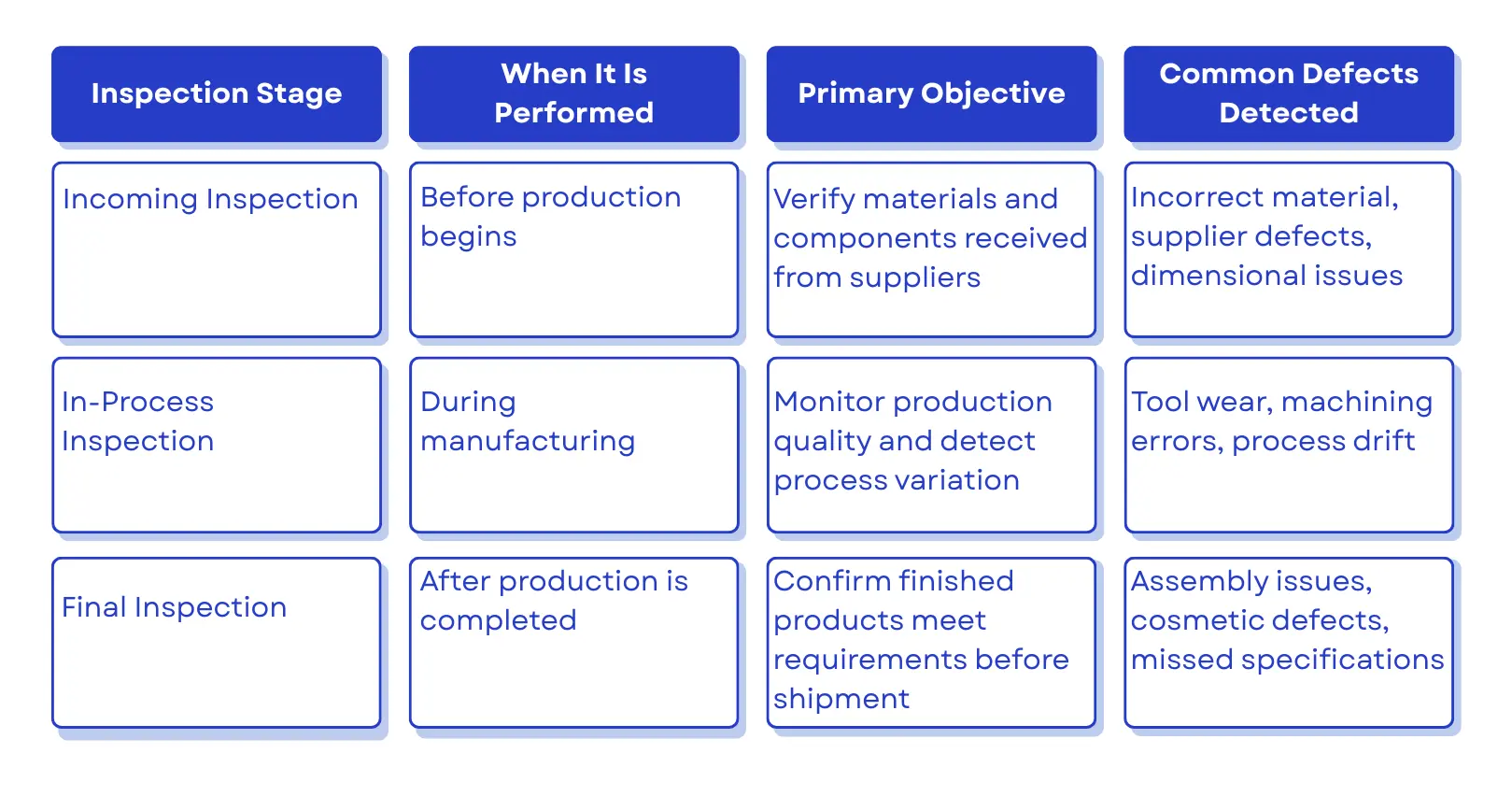
The table below summarizes the main differences between these three inspection stages.
Incoming vs. In-Process vs. Final Inspection: Key Differences
Each inspection stage addresses a different part of the manufacturing process. Removing one stage creates a gap where certain defects may go undetected.
Inspection Equipment Used Throughout Manufacturing
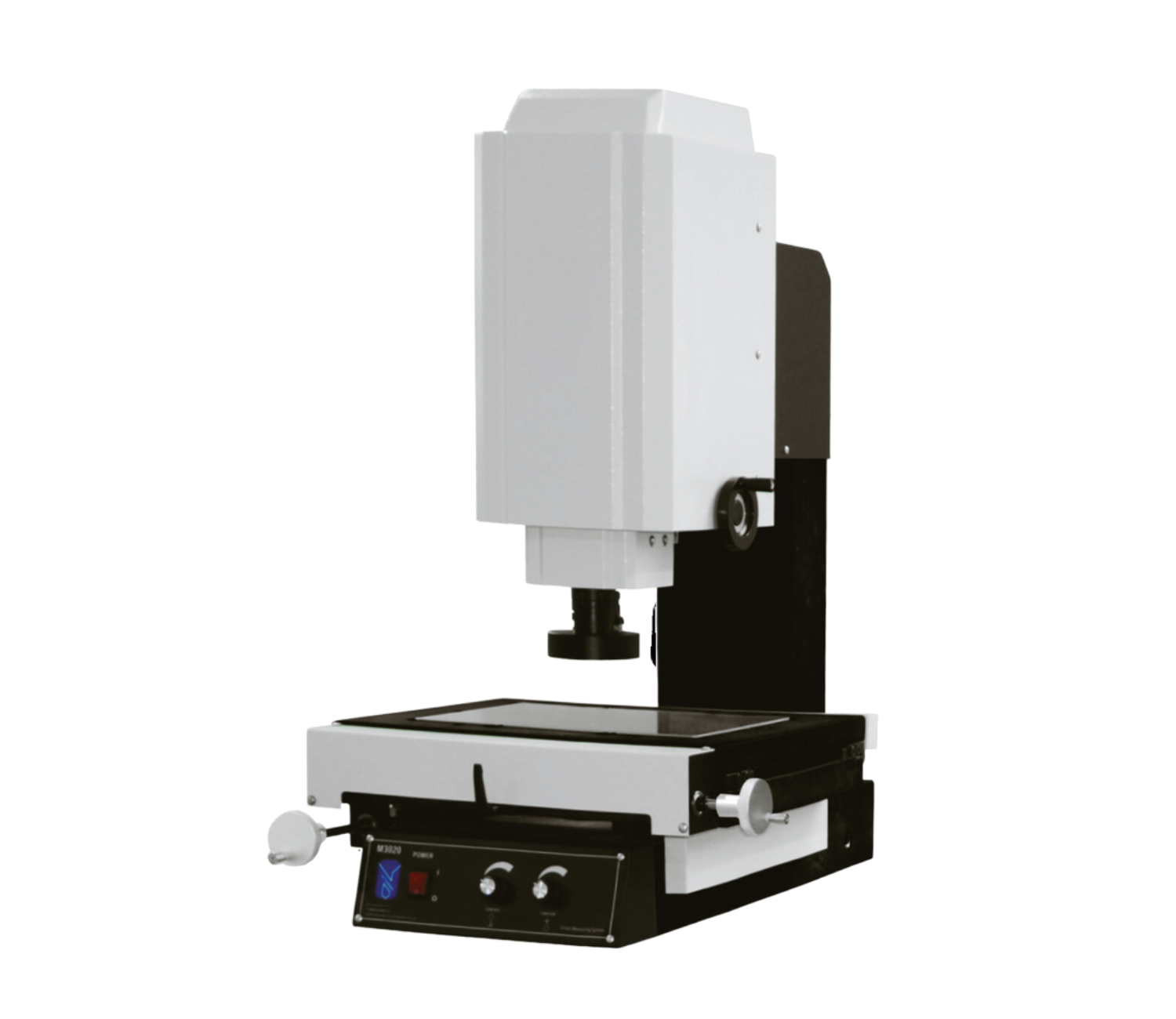
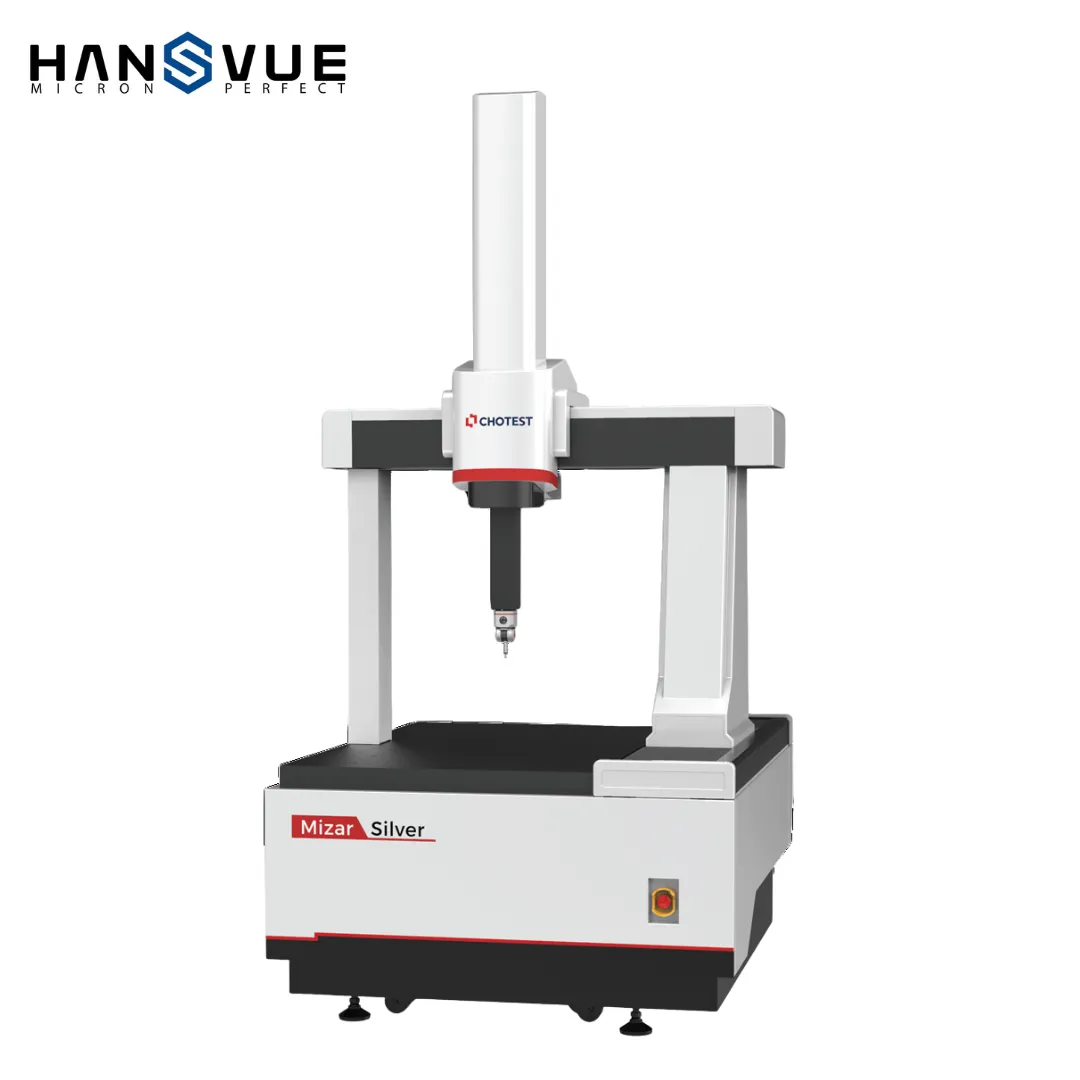
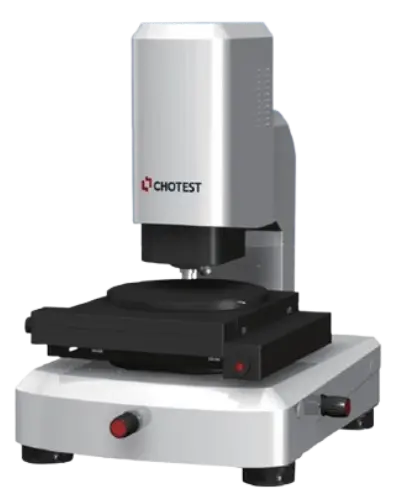
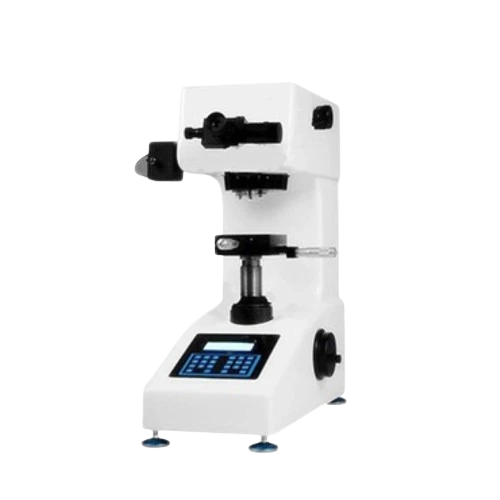
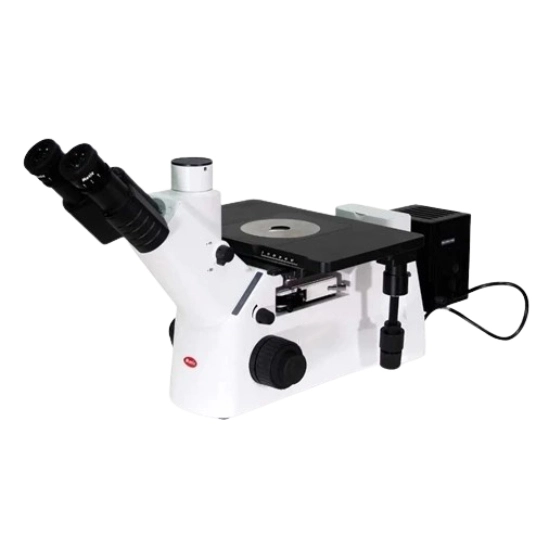
The inspection equipment used at each stage depends on the product requirements, measurement accuracy, and inspection objectives. Different instruments support different inspection needs, from quick verification on the production floor to highly precise dimensional measurement.
Selecting the appropriate inspection equipment depends on the inspection stage, measurement requirements, and characteristics being evaluated. In many manufacturing environments, multiple inspection technologies are used together to provide complete quality verification.
Conclusion
Incoming inspection, in-process inspection, and final inspection each play a different role in maintaining manufacturing quality.
Incoming inspection prevents unsuitable materials from entering production. In-process inspection monitors manufacturing conditions and detects problems before they become larger issues. Final inspection provides the last verification step to ensure completed products meet customer requirements.
Rather than replacing one another, these inspection stages work together to create a comprehensive quality control system. By identifying defects at the earliest possible stage, manufacturers can reduce waste, improve production efficiency, and deliver more consistent products.
By understanding the purpose of each inspection stage, manufacturers can build a more effective quality control process that supports consistent production quality and long-term operational success.