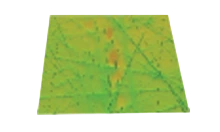
The Importance of Surface Measurement in Modern Manufacturing
In manufacturing, producing a component with the correct dimensions is only part of ensuring product quality. A component may meet its dimensional specifications yet still experience performance issues due to its surface condition.
Surface characteristics such as roughness, waviness, flatness, and wear can significantly influence how a component functions in real-world applications. For example, excessive surface roughness on mechanical components can increase friction and wear, while surface irregularities on optical lenses, semiconductor wafers, or medical devices may affect product performance and reliability.
As manufacturing technologies continue to advance, industries increasingly require measurement solutions that can evaluate not only the size of a component but also the condition of its surface. This has created a growing demand for technologies capable of providing detailed three-dimensional surface analysis.
One such technology is the 3D Optical Surface Profilometer, a non-contact measurement system designed to capture and analyze surface topography with high precision.
What is a 3D Optical Surface Profilometer?
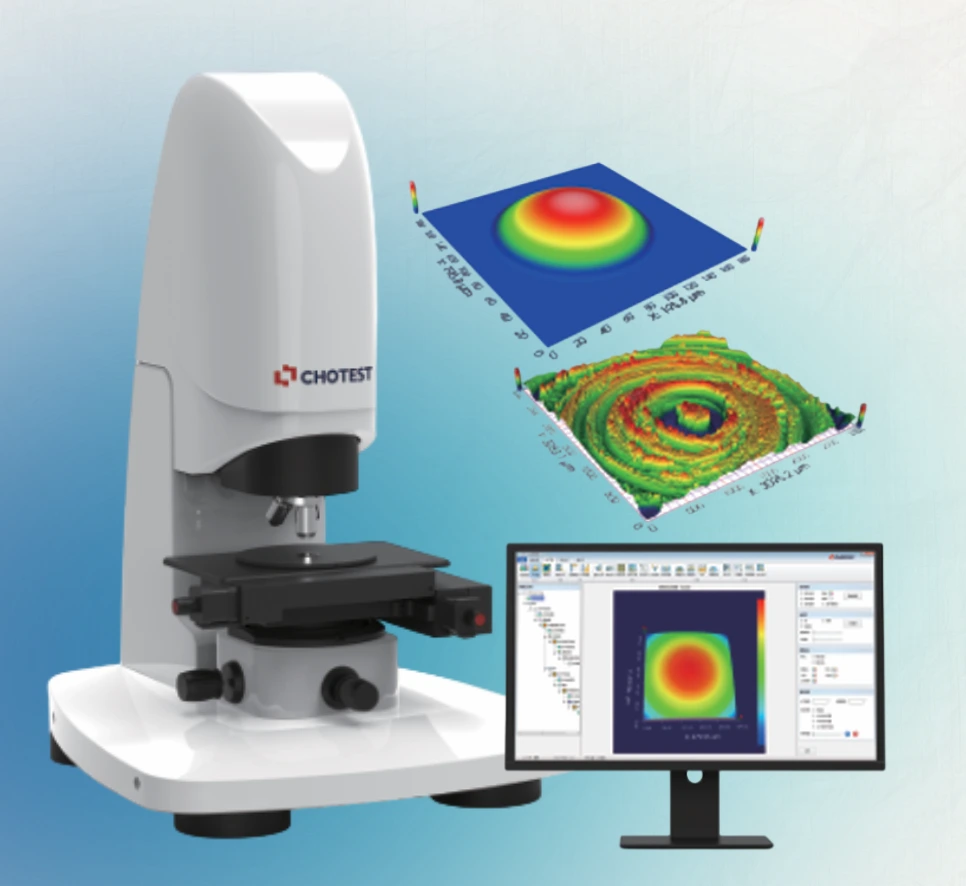
A 3D Optical Surface Profilometer is a non-contact measurement system used to analyze and characterize the surface topography of a component. By using optical measurement technologies, the system captures detailed surface information and generates a three-dimensional representation of the measured area.
Unlike traditional contact-based measurement methods that physically touch the part surface, optical profilometers collect data without direct contact. This makes them particularly suitable for delicate materials, highly polished surfaces, and precision components where contact may influence measurement results or damage the surface.
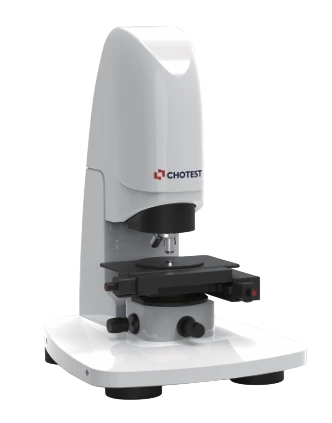
SuperView W1 3D Optical Surface Profilometer
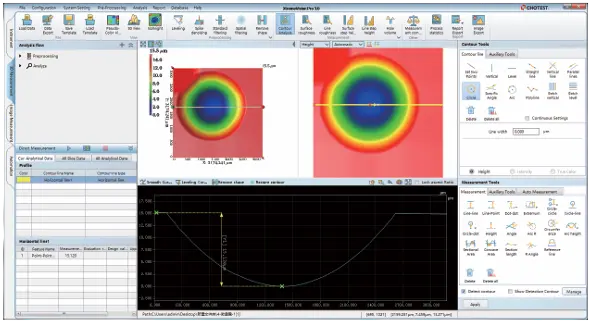
XtremeVision 3D Software
3D Optical Surface Profilometers are often equipped with dedicated microscopic 3D measurement software that integrates multiple functions into a single platform. These functions commonly include image scanning, 3D analysis, image measurement, and automated measurement, allowing users to perform data acquisition, analysis, and reporting within the same software environment.
To support high-precision inspection applications, these systems are designed to deliver excellent repeatability and measurement accuracy. Depending on the model, surface topography repeatability can reach 0.1 nm, while roughness repeatability may range from 0.005 nm to 0.01 nm. Step height measurements can achieve accuracies of up to 0.3% and repeatability as low as 0.08% (1σ) under specified test conditions.
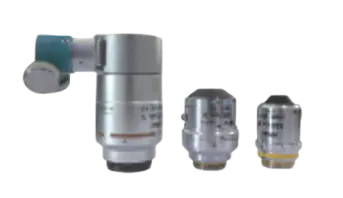
Interference Lens
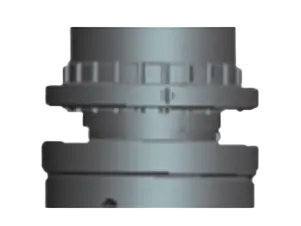
Air-Bearing
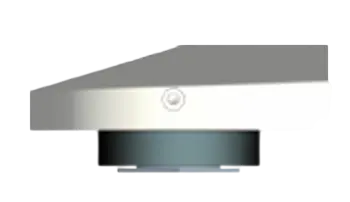
Isolation System
Sonic Vibration Isolation
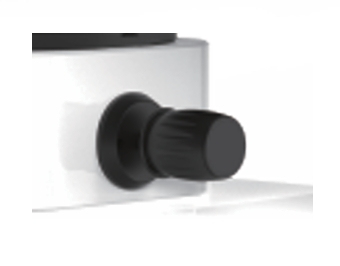
Easy Level
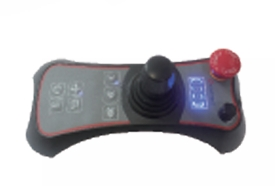
Convenient joystick
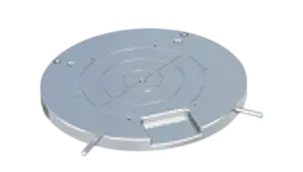
Vacuum Object Table
Components of the 3D Optical Surface Profilometer
The combination of non-contact measurement, advanced analysis software, and high measurement performance has made 3D Optical Surface Profilometers valuable tools in quality control, research, and industrial metrology applications.
What Can a 3D Optical Surface Profilometer Measure?
3D Optical Surface Profilometers are capable of measuring a wide range of surface characteristics, including:
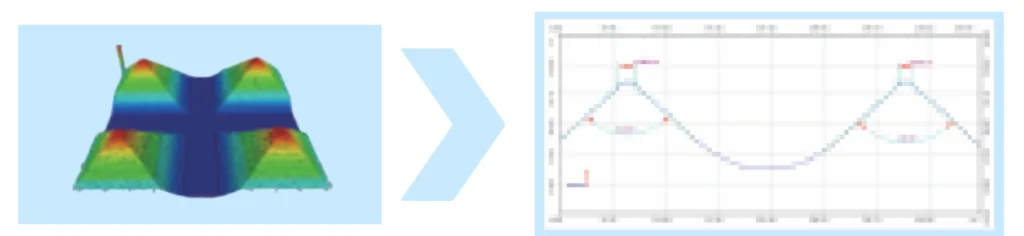
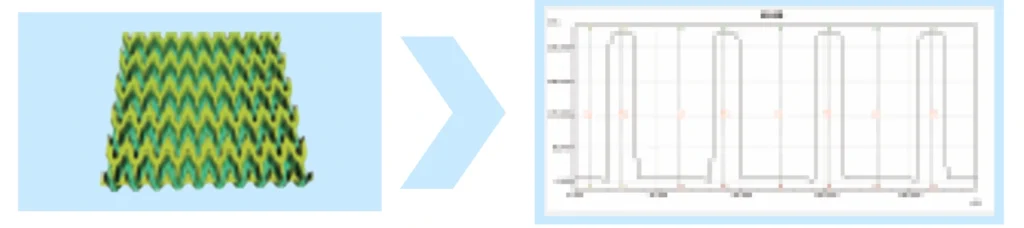
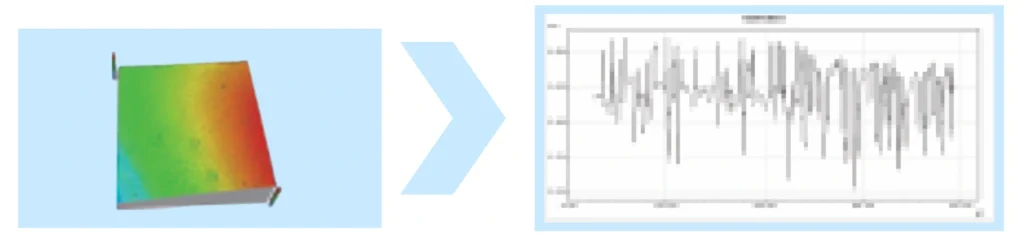
Surface roughness
Surface waviness
Flatness
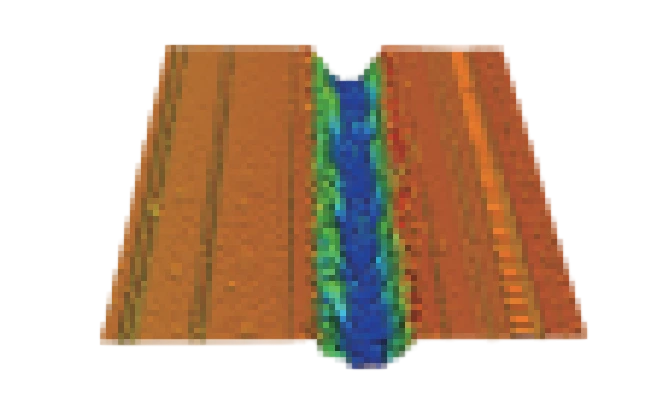
Step height
Curvature
Surface texture
Surface defects and irregularities
Wear patterns
Surface form
Profile sizes
Surface roughness
These measurements help manufacturers evaluate whether a component meets design requirements and quality standards.
By visualizing surface features in three dimensions, operators can gain a deeper understanding of surface conditions that may not be easily identified through conventional inspection methods.
Measurement Technologies Used in 3D Optical Surface Profilometers
3D Optical Surface Profilometers can utilize different optical measurement technologies depending on the inspection requirements.
White Light Interferometry
White Light Interferometry is commonly used for measuring smooth and highly reflective surfaces. It provides extremely high vertical resolution and is well suited for applications requiring detailed surface roughness and profile analysis.
Confocal Microscopy
Confocal Microscopy is often used for measuring rough surfaces, steep features, and complex geometries. Its ability to handle a wide range of surface conditions makes it suitable for many industrial inspection applications.
Some advanced profilometry systems combine both technologies, allowing users to select the most appropriate measurement method based on the characteristics of the part being inspected.
Applications of 3D Optical Surface Profilometers
3D Optical Surface Profilometers are used across a wide range of industries to evaluate surface characteristics that may affect product quality, performance, and reliability.
Semiconductor Industry
In the semiconductor industry, 3D Optical Surface Profilometers can be used to inspect cut sheets, coated sheets, and wafer ICs. Measurements such as surface roughness and microscopic surface features help support process control and quality inspection.
3C Electronics Industry
For 3C electronics applications, 3D Optical Surface Profilometers can evaluate sapphire screens, glass screens, and ink-coated screens. Parameters such as roughness, flatness, and step height help ensure product consistency and manufacturing quality.
Optics Industry
In the optics industry, 3D Optical Surface Profilometers are used to inspect precision molds and optical lenses. Surface roughness, flatness, profile characteristics, and radius of curvature measurements help verify optical surface quality.
Micro-Nano Materials
3D Optical Surface Profilometers can be used to analyze films deposited on substrates such as PET. Surface roughness and film thickness measurements support coating evaluation and quality control.
Tribology and Wear Analysis
In tribology applications, 3D Optical Surface Profilometers can evaluate friction surfaces and worn components. Measurements such as surface profile, roughness, wear area, and material volume help assess wear behavior and component durability.
Benefits of 3D Optical Surface Profilometry
The use of 3D Optical Surface Profilometers offers several advantages:
Non-contact measurement that minimizes the risk of surface damage
High-resolution surface analysis
Fast data acquisition and inspection
Detailed three-dimensional visualization of surface features
Suitable for delicate, reflective, or precision-manufactured components
These capabilities help manufacturers improve inspection efficiency while maintaining confidence in measurement results.
Conclusion
A 3D Optical Surface Profilometer is a powerful non-contact measurement system used to evaluate surface topography and characteristics that cannot be fully assessed through dimensional measurement alone. By providing detailed three-dimensional surface data, these systems support quality control, product development, and industrial metrology activities across a wide range of industries.
Through technologies such as White Light Interferometry and Confocal Microscopy, 3D optical surface profilometers enable manufacturers to perform accurate and reliable surface analysis, helping ensure that products meet both performance requirements and quality standards.