
Environmental Control in Precision Measurement Laboratories
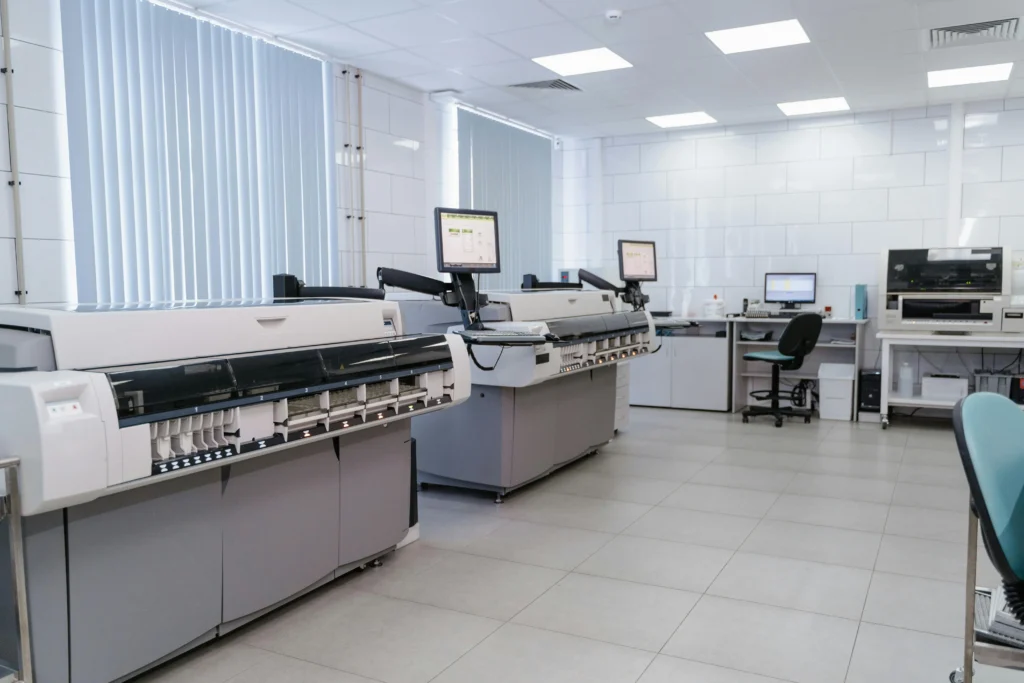
Precision measurement requires more than advanced equipment and skilled operation. The surrounding environment plays a critical role in ensuring that measurements are accurate, consistent, and repeatable. Even small variations in environmental conditions can introduce errors that affect the reliability of measurement results. In precision measurement laboratories, environmental control is implemented to minimize external influences that […]
Edge Detection Techniques in Video Measurement Systems (VMS)
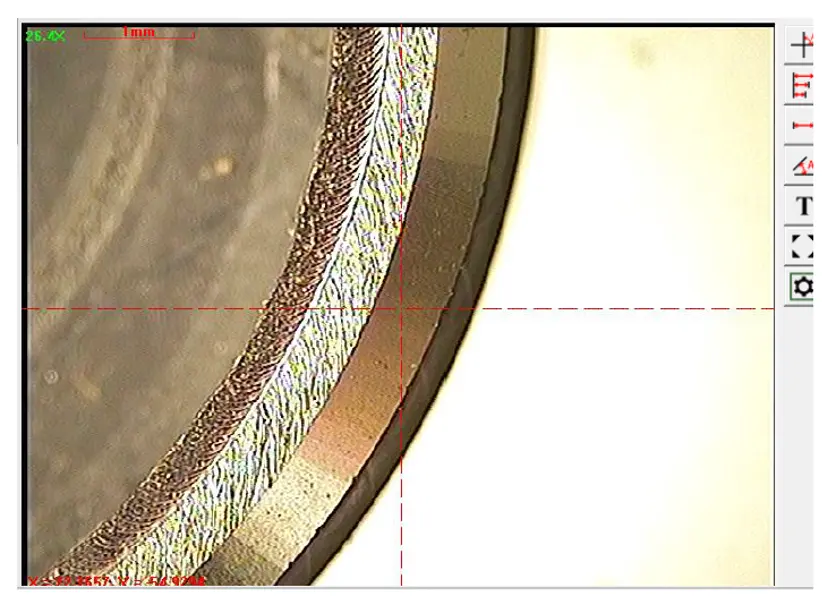
In Video Measurement Systems (VMS), measurement accuracy depends not only on optical resolution or system stability, but also on how precisely the system can identify the boundaries of a feature. This process, known as edge detection, is fundamental to determining dimensions such as lengths, diameters, and angles. Unlike traditional contact measurement methods, the Video Measurement […]
Thermal Expansion Effects on Video Measurement System (VMS) and Coordinate Measuring Machine (CMM) Measurement Accuracy
In precision measurement, accuracy is often assumed to depend primarily on the capability of the instrument. Systems with higher resolution, advanced sensors, and sophisticated design are expected to deliver reliable results within tight tolerances. However, even the most advanced equipment can produce inconsistent measurements if one critical factor is overlooked: temperature. Thermal effects refer to […]
Probe Technology in Coordinate Measuring Machines (CMM): Touch Trigger Probe vs Scanning Probe
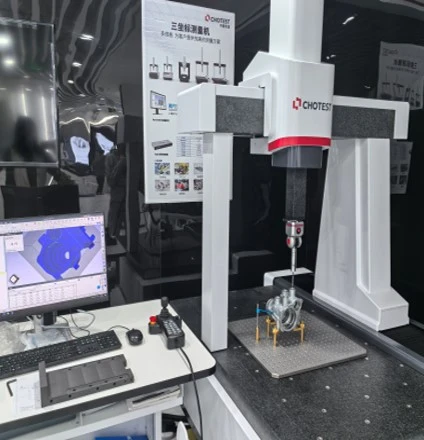
Within a Coordinate Measuring Machine (CMM), the probe plays a critical role as the interface between the machine and the measured workpiece. While the Coordinate Measuring Machine (CMM) itself provides precise motion control and positioning, the probe determines how measurement data is captured from the workpiece surface. As different measurement tasks require different methods of […]
Understanding Measurement Uncertainty in Video Measurement System (VMS) Inspection
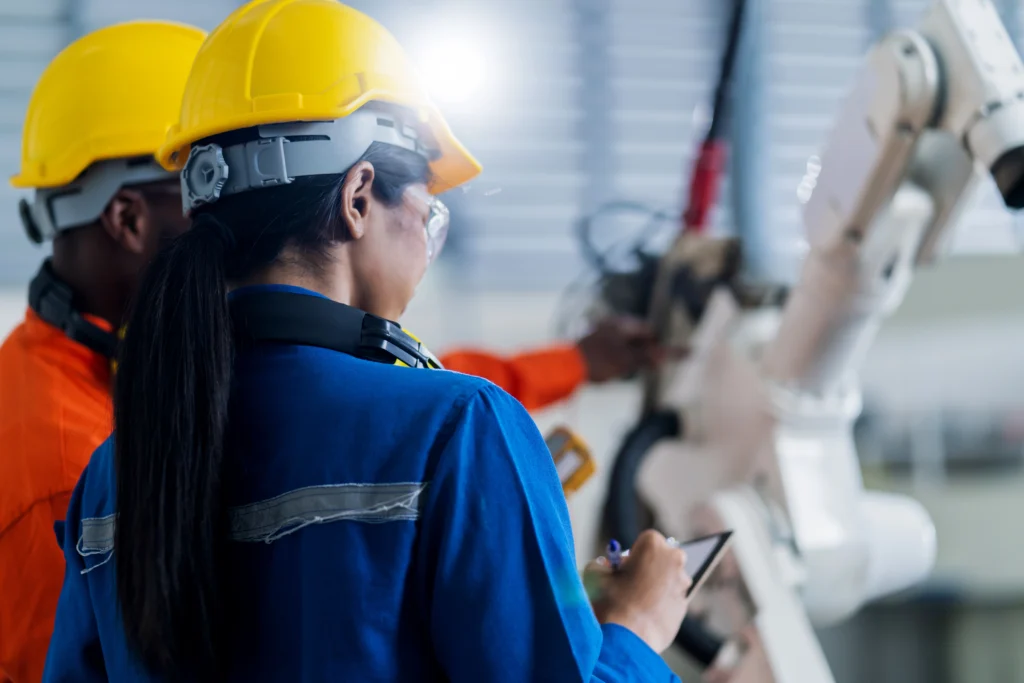
When inspecting a precision component, the measured dimension is often treated as an exact value. In reality, every measurement carries a degree of uncertainty that must be considered when determining whether a part truly meets its tolerance requirements. Understanding measurement uncertainty is therefore essential for reliable dimensional inspection. This article explores the concept of measurement […]
The Science Behind Non-Contact Optical Measurement in Video Measurement Systems (VMS)
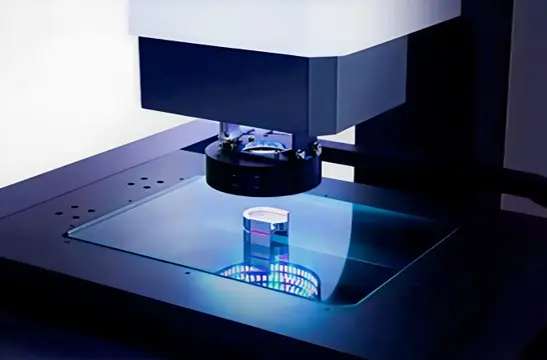
Non-contact optical measurement refers to the acquisition of dimensional and geometric data without physically touching the measured component. Instead of mechanical probes, these systems rely on controlled illumination, precision optics, and digital imaging to extract measurable information from reflected or transmitted light. As manufacturing tolerances continue to tighten and component geometries become increasingly intricate, traditional […]
Introduction to Industrial Metrology: Why Measurement Matters in Manufacturing
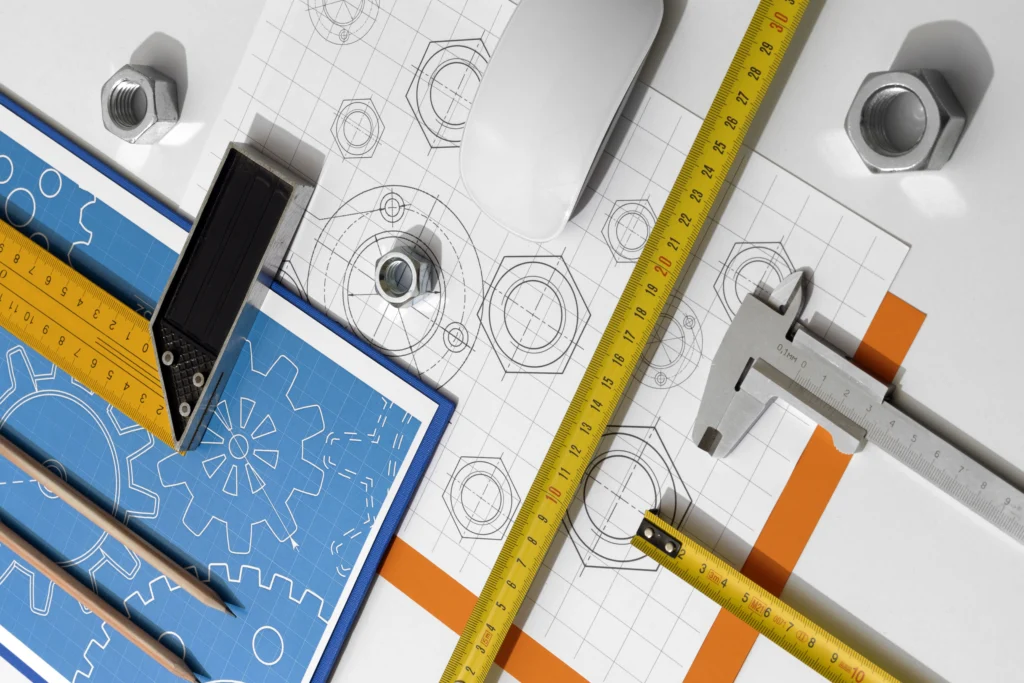
Modern manufacturing is built on the expectation that components will function reliably under demanding operational conditions. From semiconductor devices inside digital systems to precision mechanical assemblies in industrial equipment, product performance depends heavily on how accurately design specifications are translated into physical reality. To maintain dimensional accuracy throughout production, industrial metrology systems are integrated directly […]
Improving Electronics Quality Control with Precision Measurement
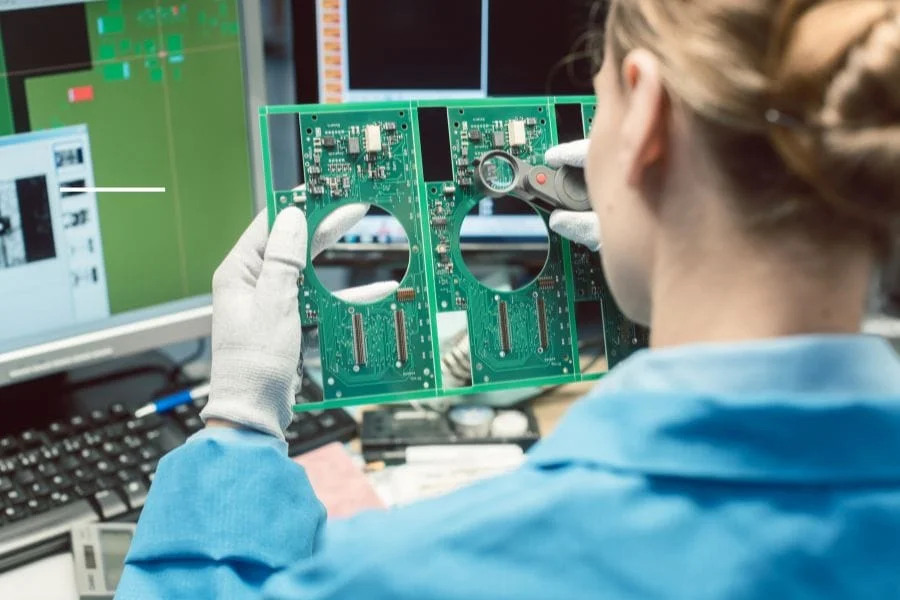
In the rapidly advancing world of electronics manufacturing, every micron matters. From high-speed processors to automotive sensors, even the smallest dimensional error or hidden defect can lead to product malfunction, data loss, or safety hazards. That’s why precision measurement has become the foundation of quality control (QC) ensuring every part, circuit, and assembly performs exactly […]
Top Applications of SEM in Electronics and Semiconductor Production
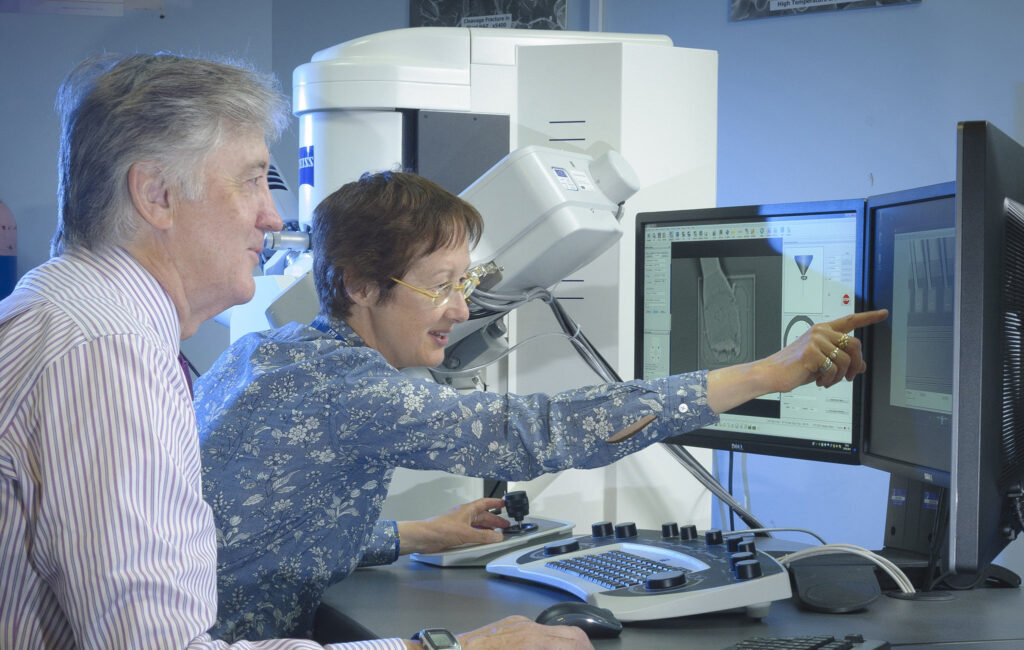
The electronics and semiconductor industry is built on precision. As chips and devices continue to shrink into the nanometer range, manufacturers need tools that can see, measure, and analyze features too small for the human eye. Scanning Electron Microscopy (SEM) is one of the most powerful solutions for this challenge. SEM provides ultra-high-resolution imaging, nanoscale […]
Why the Electronics Industry Relies on X-Ray Inspection Systems
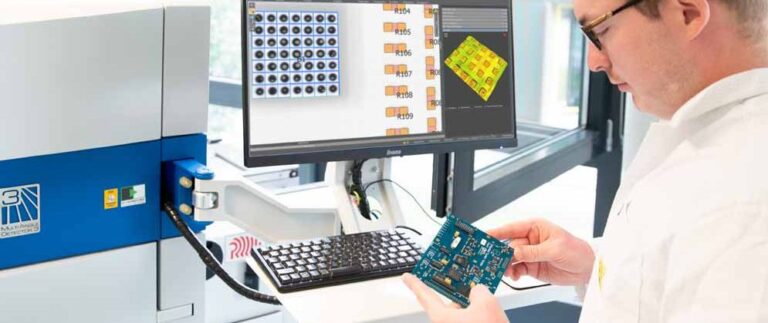
Quality control is critical in electronics manufacturing. Even the smallest defect in a solder joint, circuit board, or microchip can lead to failures, costly rework, or safety risks. Traditional methods such as visual inspection and functional testing remain useful, but they cannot keep up with today’s miniaturized, complex, and multilayered electronic components. To address these […]