What Is First Article Inspection (FAI) and Why Is It Important?
Manufacturers strive to produce parts that consistently meet design specifications. However, before full-scale production begins, it is essential to verify that the manufacturing process can produce parts that meet those requirements consistently. This is where First Article Inspection (FAI) plays an important role.
First Article Inspection is a systematic verification process performed on the first production part to confirm that all specified dimensions, materials, and manufacturing requirements have been achieved before mass production continues. By identifying potential issues early, manufacturers can reduce costly rework, minimize production delays, and improve overall product quality.
What Is First Article Inspection (FAI)?
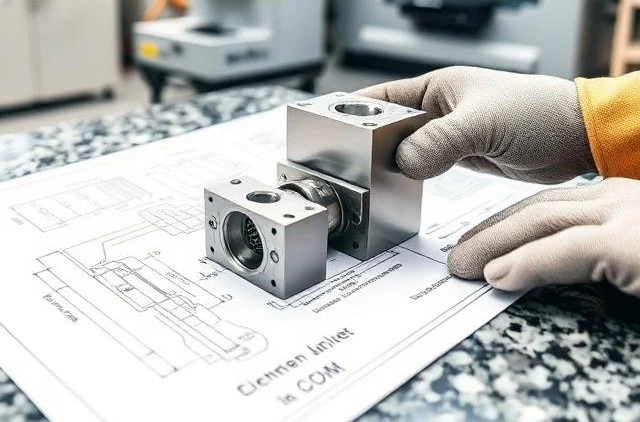
First Article Inspection (FAI) is a quality assurance process that evaluates the first manufactured part produced using the intended production process.
During this process, the inspection verifies that the part fully complies with engineering drawings, technical specifications, and customer requirements before routine production begins. Rather than inspecting only a few critical dimensions, FAI typically examines all required characteristics documented on the engineering drawing.
An FAI may be performed when:
A new product is introduced
A new manufacturing process is implemented
Production resumes after a long interruption
Engineering changes are made
New tooling or equipment is introduced
What Is Checked During First Article Inspection?
During a First Article Inspection, inspectors verify multiple aspects of the manufactured part, including:
Critical dimensions and geometric features
Material specifications
Surface finish requirements
Hole positions and diameters
Thread specifications
Coatings or surface treatments
Assembly requirements (where applicable)
The goal is to ensure that every specified requirement has been achieved before production proceeds.
Equipment Commonly Used for First Article Inspection
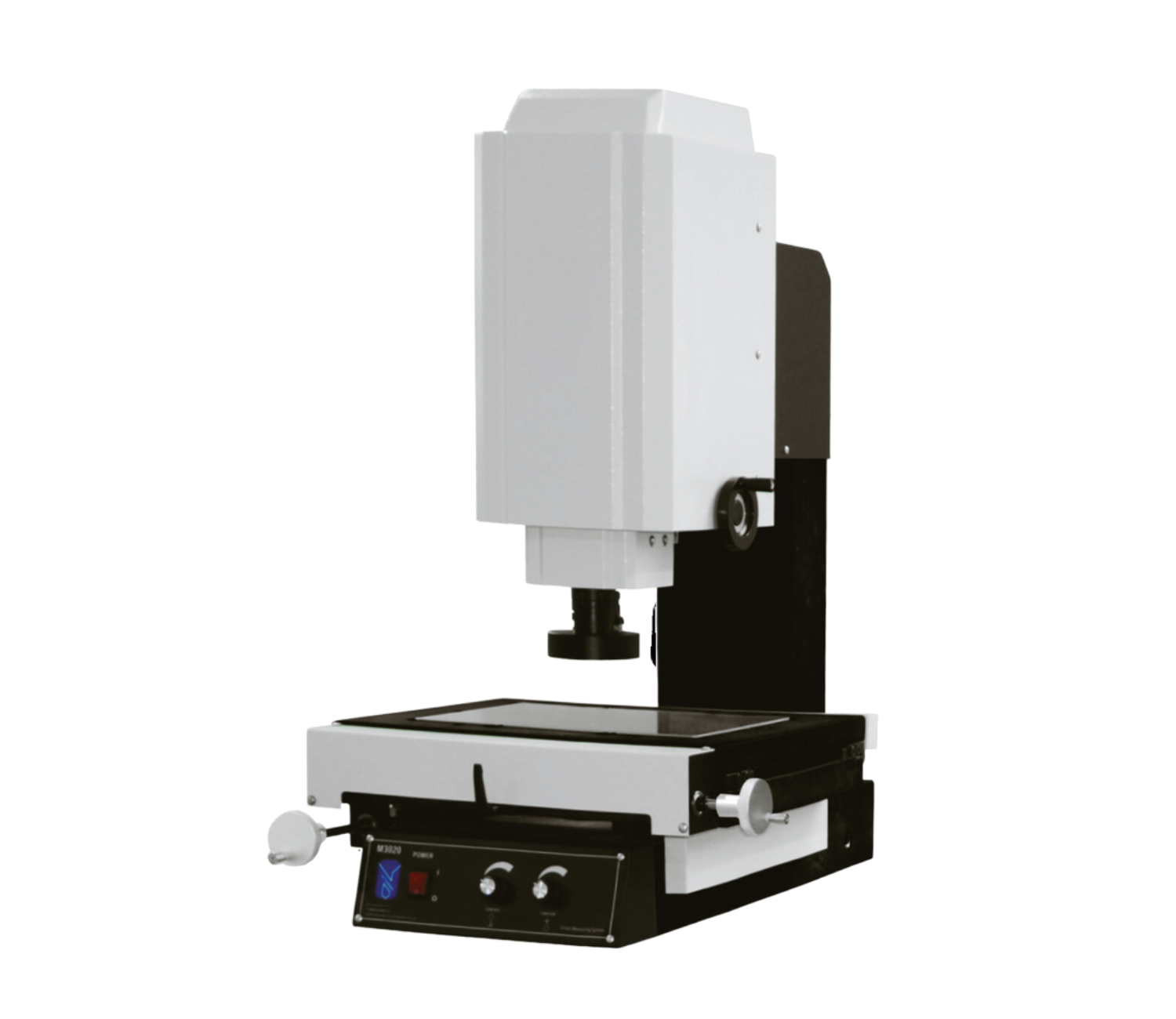
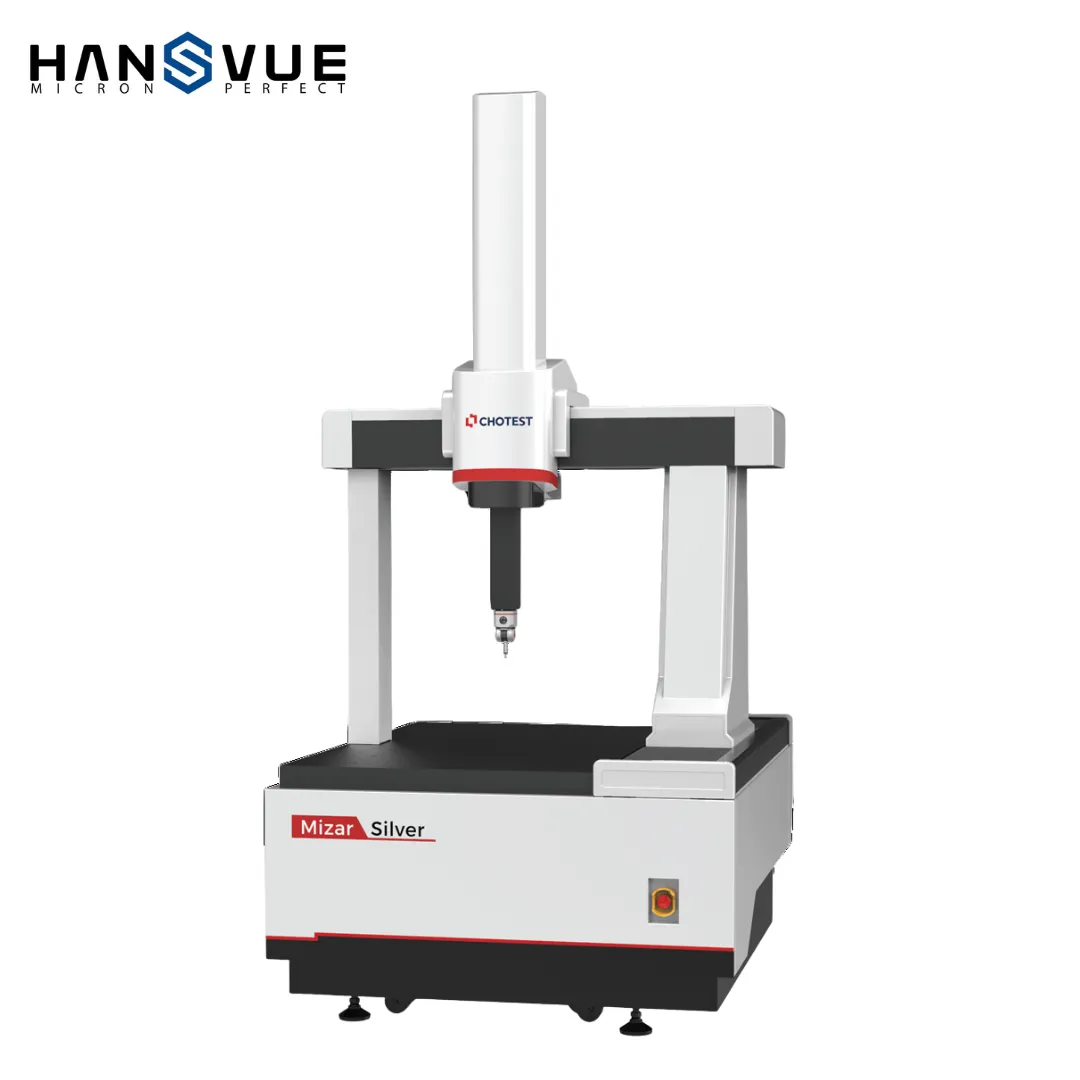
The equipment used during First Article Inspection (FAI) depends on the complexity of the part, the required tolerances, and the inspection requirements. As a result, manufacturers may use different inspection equipment depending on the application. Common inspection equipment includes:
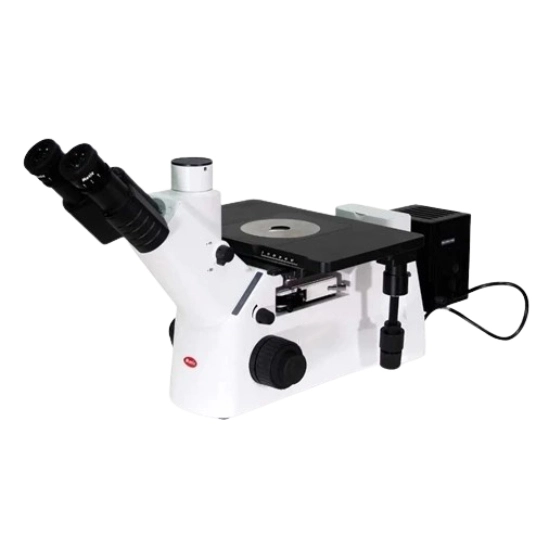
Industrial Microscopes for examining small features, surface conditions, and workmanship.
Inverted Metallurgical Microscope
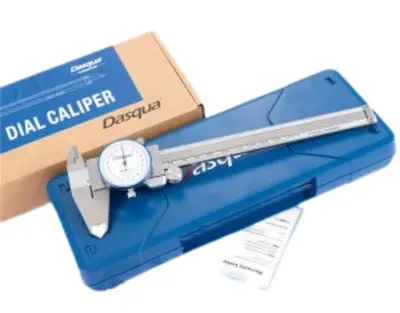
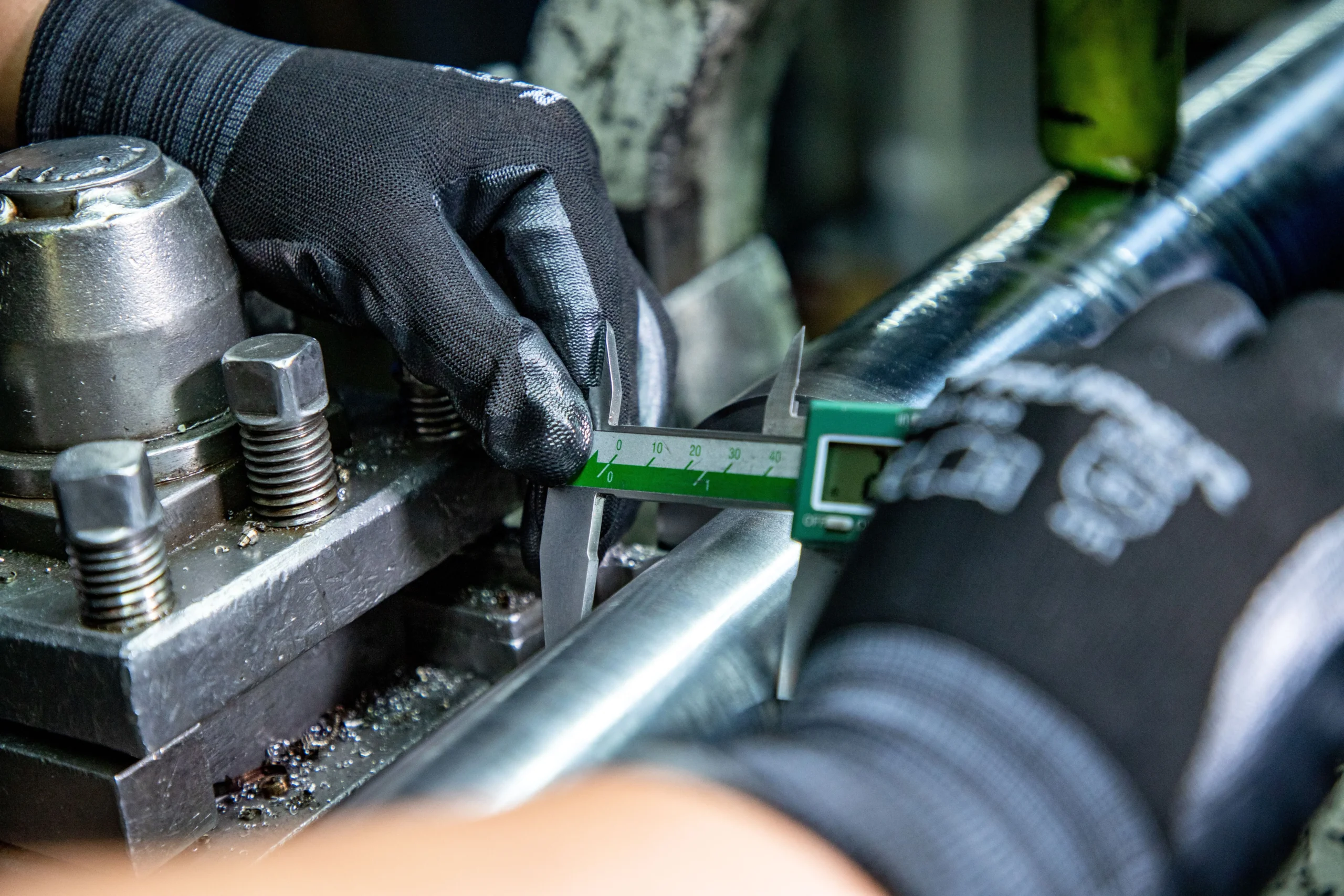
Hand measuring instruments, such as calipers, micrometers, and height gauges, for routine dimensional verification.
Calipers
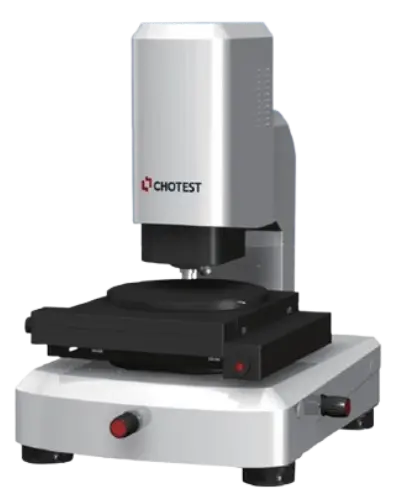
Surface Profilometers when surface roughness or texture is specified as a product requirement.
Hybrid 3D Optical Profilometer
For specialized applications, additional inspection methods such as industrial X-ray or Computed Tomography (CT) may be used to verify internal features or hidden defects that cannot be assessed using conventional measurement techniques.
Benefits of First Article Inspection
Performing First Article Inspection (FAI) offers several important benefits for manufacturers.
Detects manufacturing issues before mass production
Reduces scrap and rework costs
Improves product consistency
Confirms manufacturing processes are properly established
Builds confidence that customer requirements can be met
Supports quality management and documentation
By identifying potential issues early and verifying that production processes are capable of meeting requirements, FAI helps manufacturers establish a more reliable and efficient production workflow.
Conclusion
First Article Inspection is an important step in establishing confidence before production begins. By confirming that the first manufactured part meets all specified requirements, manufacturers can identify potential issues early, reduce production risks, and improve product quality.
However, FAI is only one part of a comprehensive quality control strategy. Manufacturers also rely on incoming inspection, in-process inspection, and final inspection to maintain quality throughout the entire production process. Together, these inspection stages help ensure that every finished product consistently meets customer and industry requirements.