Why Calibration is Important in Industrial Measurement Equipment
Calibration is the process of comparing a measurement system against a known reference standard to verify its accuracy. In practice, it is used to determine whether a machine is measuring correctly and to identify any deviation from true values. When discrepancies are found, adjustments are made to bring the system back within acceptable accuracy limits.
In industrial environments, calibration is essential because measurement equipment is expected to deliver consistent and trustworthy results over long periods of operation. Without it, even advanced systems can gradually lose measurement reliability.
Why Measurement Equipment Needs Calibration
Even high-precision measurement systems cannot maintain perfect accuracy indefinitely. Over time, small shifts known as drift begin to appear, gradually affecting performance.
Drift refers to the slow and unintentional deviation of a measurement system from its original calibrated state. It does not occur suddenly, but builds up gradually over time, often without immediate visibility to the operator. This means a system can still appear to function normally while already producing slightly inaccurate results.
Drift can be caused by:
Environmental changes such as temperature fluctuations, humidity variations, and vibration
Mechanical wear from repeated operation and long-term use
Aging of optical components, sensors, and electronic circuits
Small variations in system setup, alignment, or handling practice
Although each factor may only introduce a minor shift, the combined effect over time can significantly reduce measurement accuracy in precision manufacturing environments.
What Happens If Equipment is Not Calibrated?
When calibration is neglected, measurement errors can slowly accumulate and lead to serious production and quality issues.
Common consequences include:
Incorrect dimensional measurements
Inconsistent inspection results between batches
False acceptance or rejection of manufactured parts
Defects passing undetected through quality control
Loss of traceability in inspection records
One of the primary reasons for these issues is the degradation of two key measurement characteristics: Accuracy and Repeatbility.
Accuracy refers to a measurement system’s ability to produce results that are close to the true or actual value of a feature being measured. A loss of accuracy means that measurements may consistently deviate from the correct value, leading to incorrect inspection decisions.
Repeatability refers to a measurement system’s ability to produce the same result when the same part is measured multiple times under the same conditions. A loss of repeatability results in inconsistent measurements, making it difficult for operators to determine whether dimensional variations are caused by the part itself or by the measurement system.
Without proper calibration, measurement equipment may gradually lose both accuracy and repeatability. As a result, operators can no longer fully trust the measurement data being collected. A part that is actually within specification may be incorrectly rejected, while a non-conforming part may be mistakenly accepted.
In manufacturing environments where tolerances are tight, unreliable measurement results can lead to out-of-specification products reaching later production stages or even customers. This can increase material waste, rework costs, production downtime, warranty claims, and overall quality-related losses for the company.
For this reason, calibration is not simply a maintenance activity—it is a critical practice for ensuring that inspection decisions are based on reliable and consistent measurement data.
Where Calibration is Applied
Calibration is a fundamental requirement across most industrial measurement systems, including:
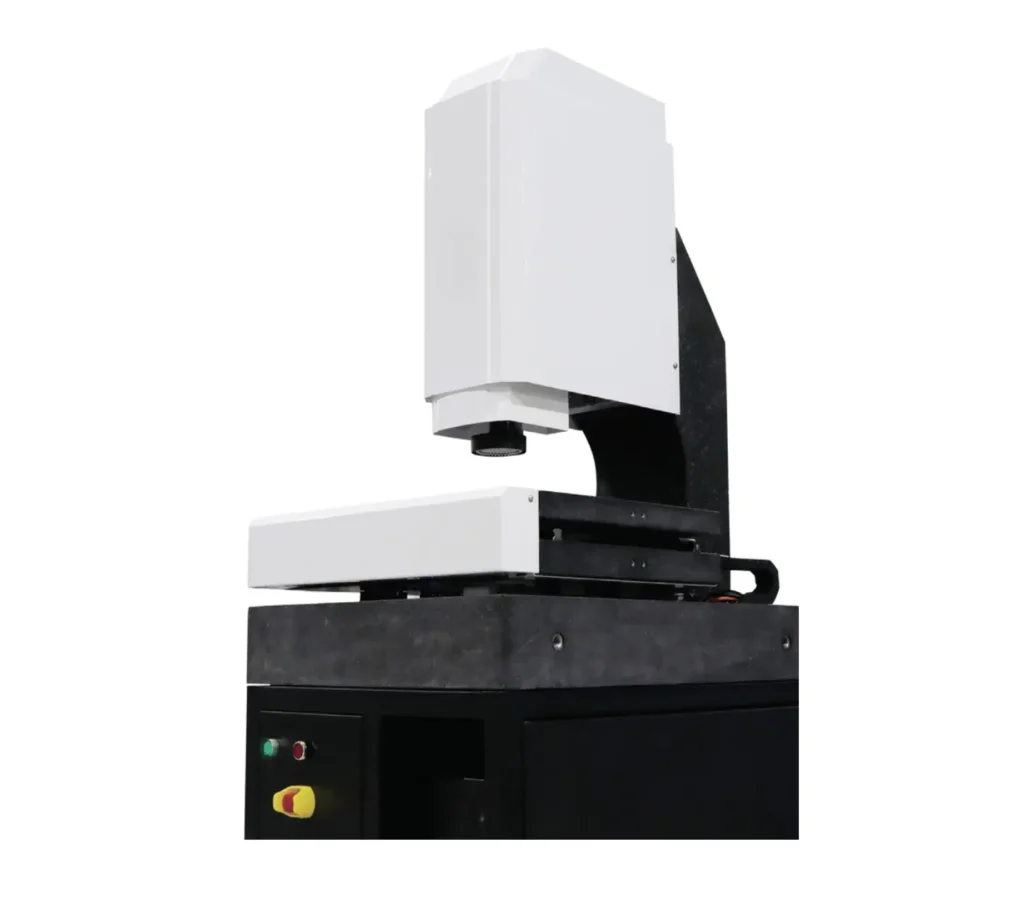
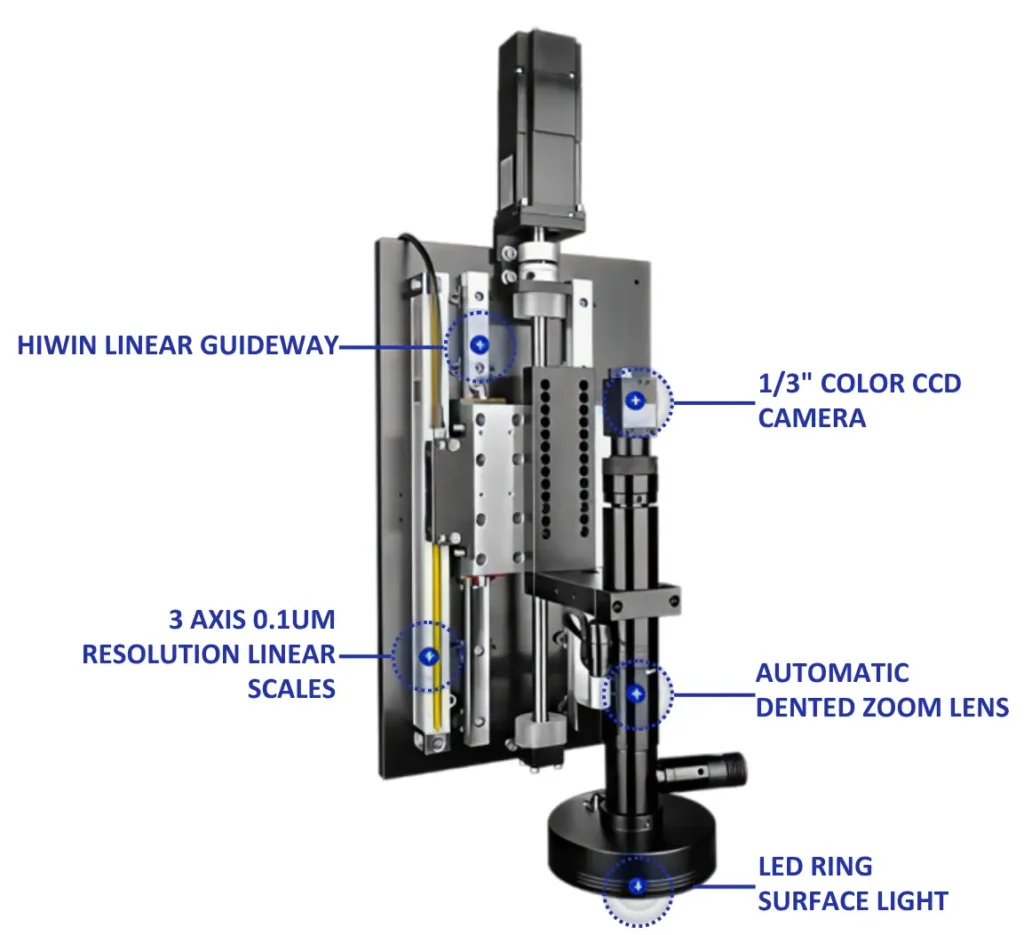
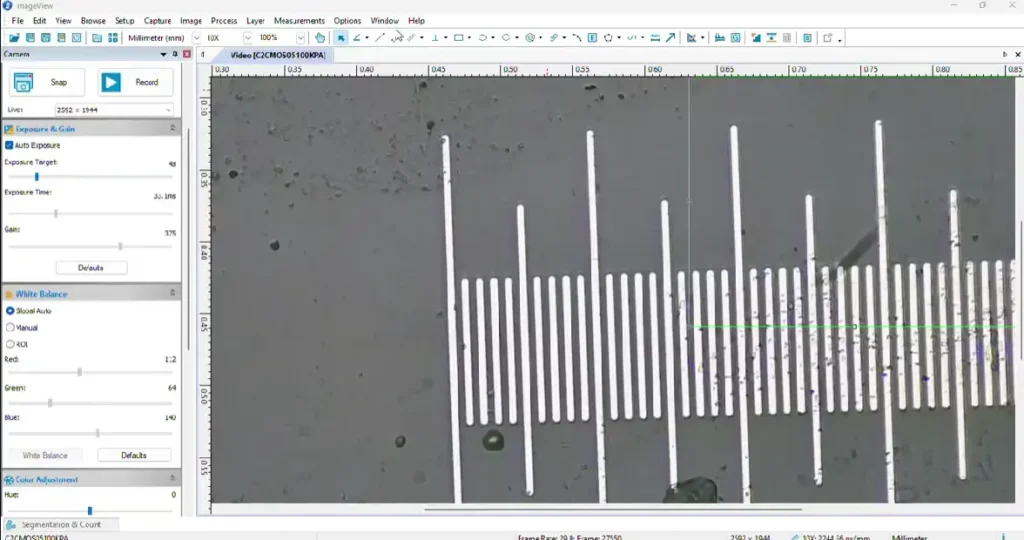
Calibration ensures that optical imaging systems produce accurate dimensional measurements. Since VMS relies on camera resolution, lighting, and software interpretation, calibration is necessary to maintain correct scaling and edge detection accuracy.
Nimbus Series (Fully Automatic Video Measuring System)
Correct scaling and edge detection accuracy must be maintained within the VMS
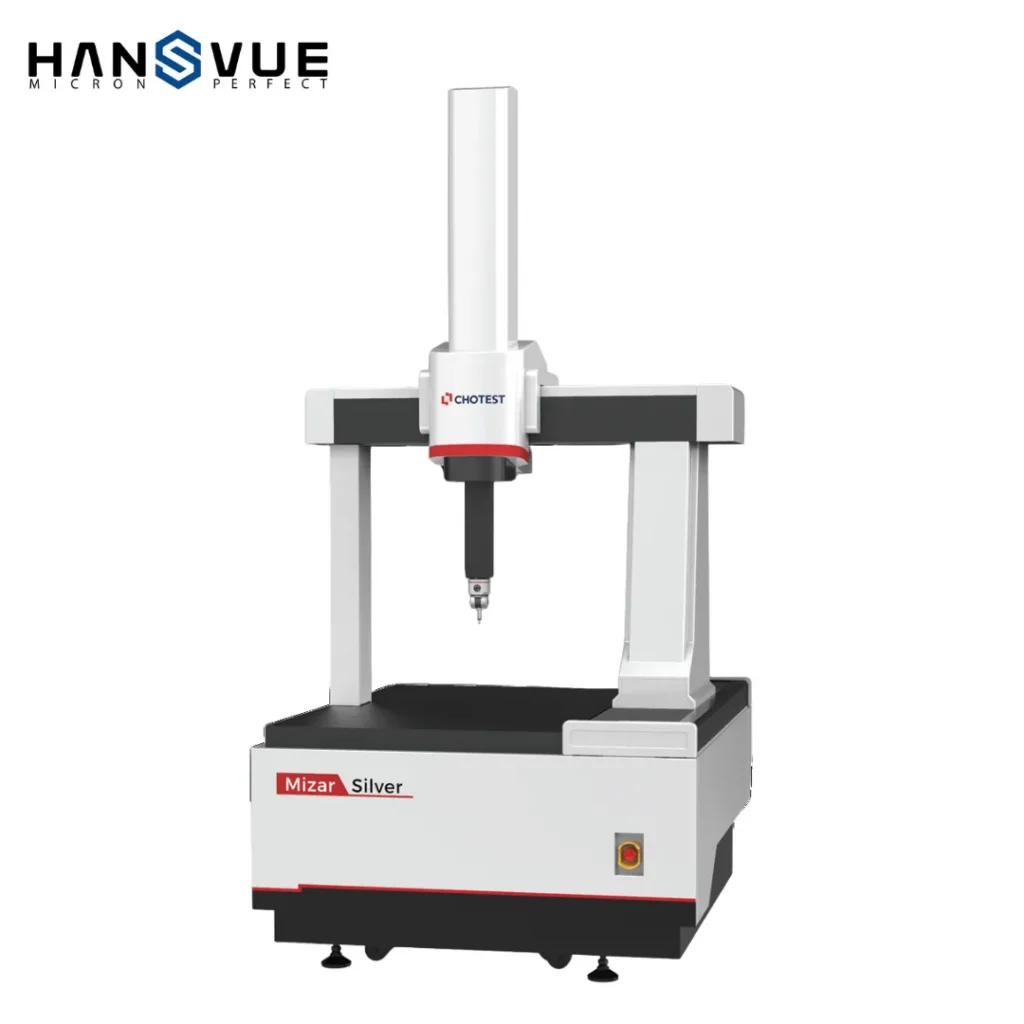
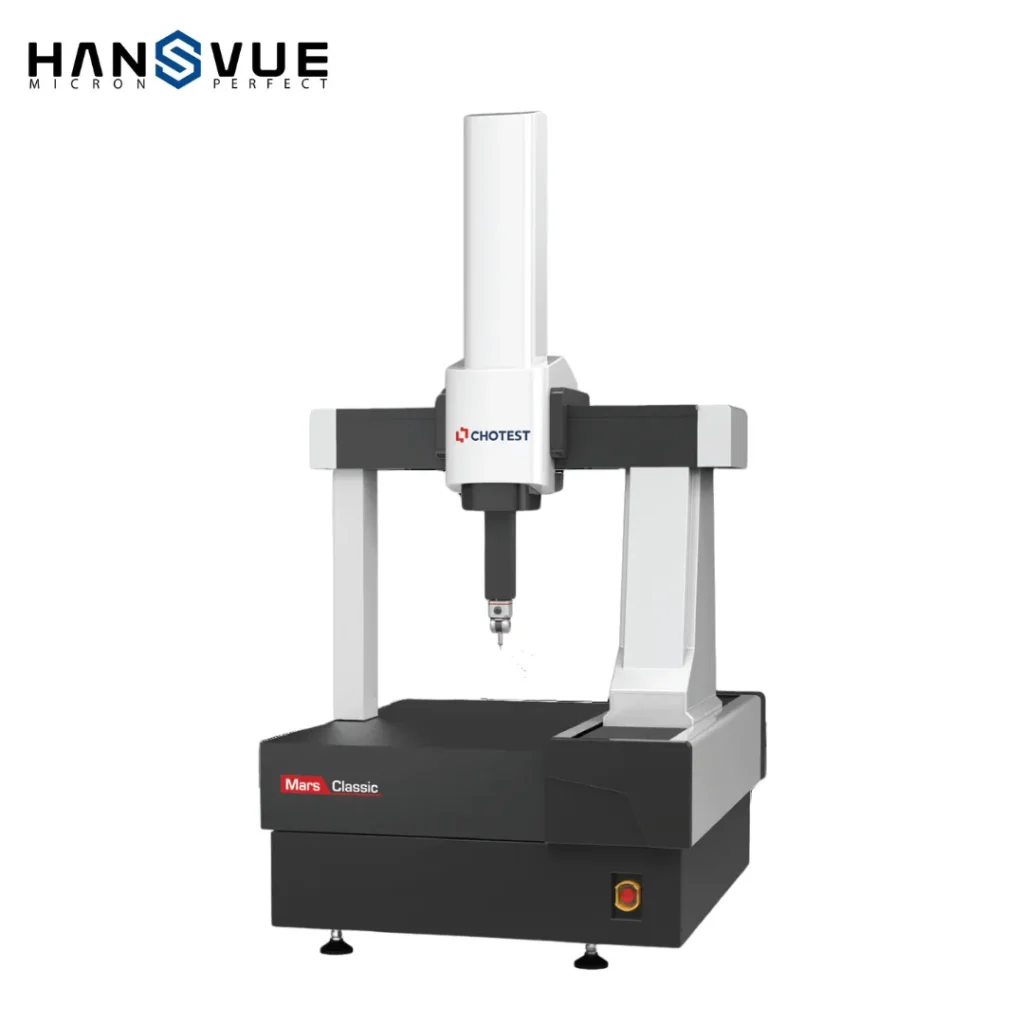
CMMsdepend on precise probe movement across multiple axes. Calibration ensures that mechanical positioning, probe offsets, and spatial coordinates remain accurate, allowing reliable measurement of complex geometries.
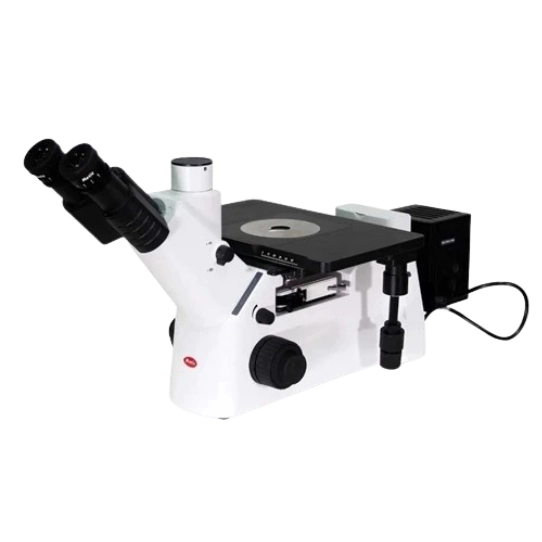
In optical and digital microscopy, calibration ensures that magnification levels correspond accurately to real-world dimensions. This is especially important when measuring micro-features, where even small scaling errors can lead to significant interpretation differences.
Metallurgical inverted microscope
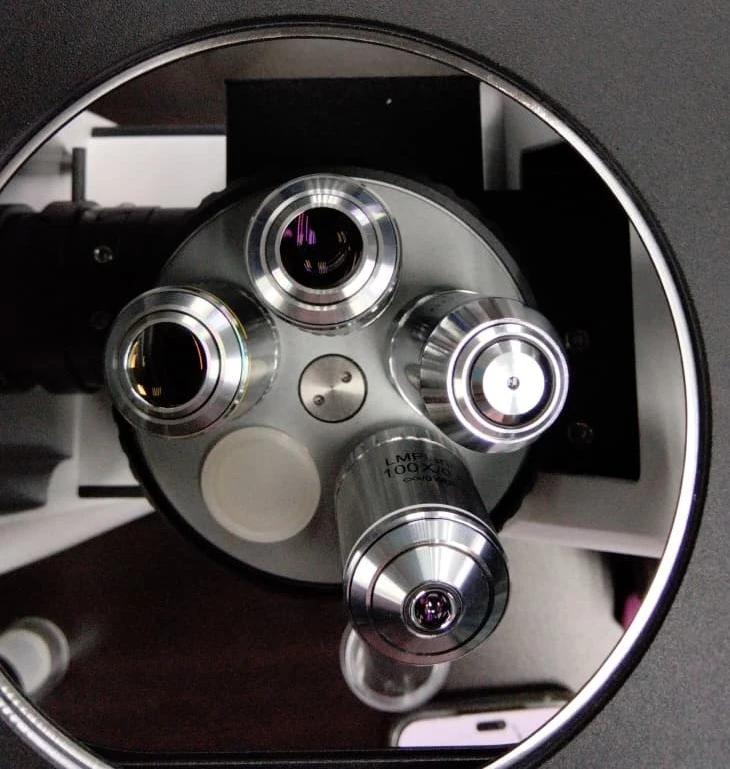
Each microscope objective must be properly calibrated
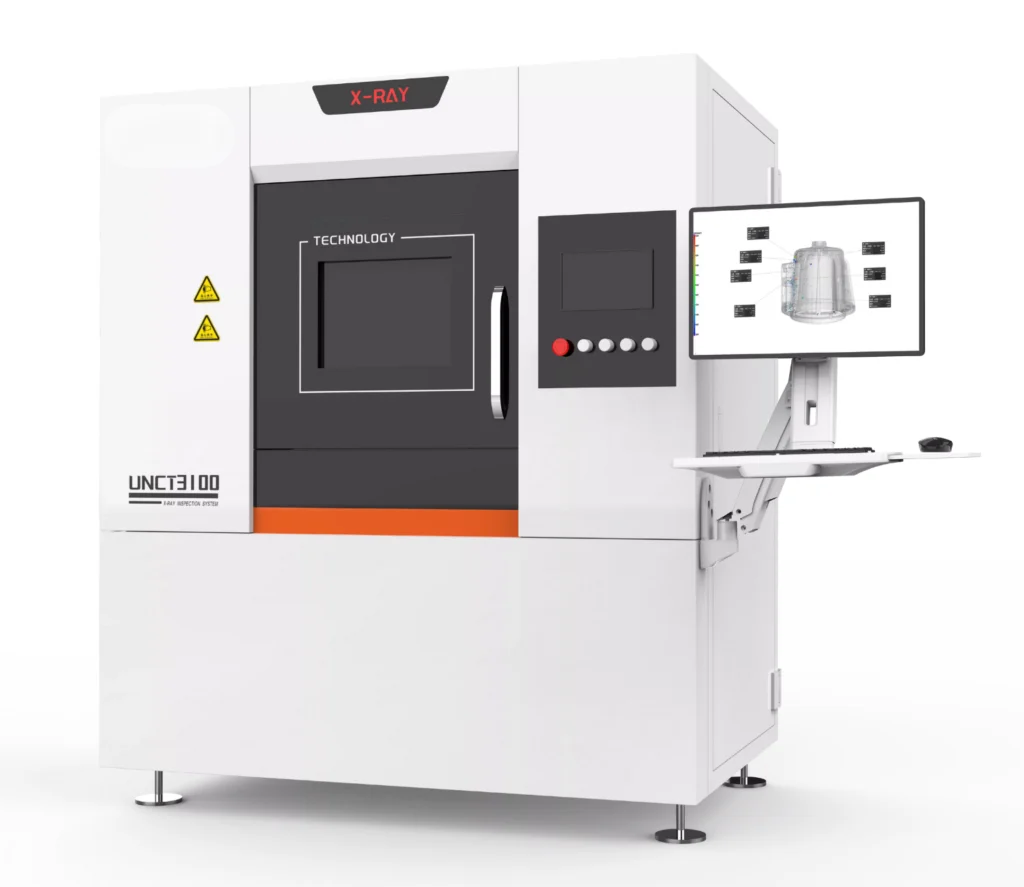
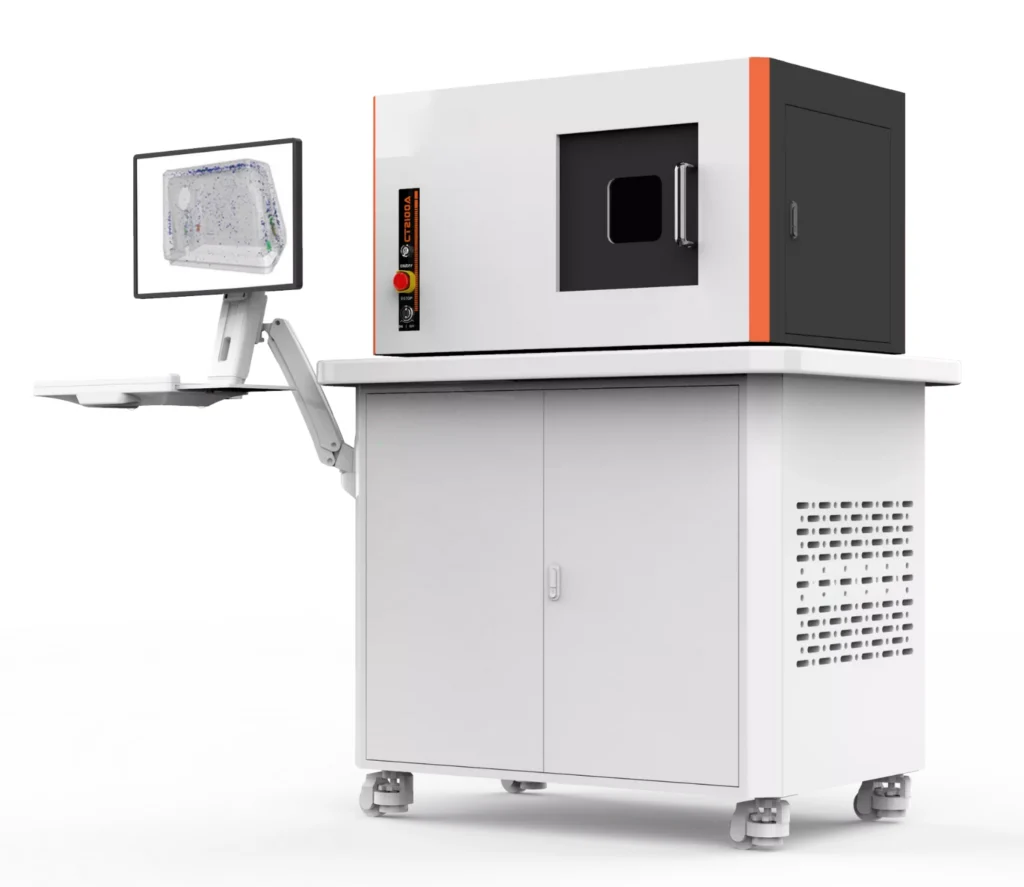
Calibration ensures correct image alignment, geometric accuracy, and dimensional consistency in radiographic analysis. It also helps maintain reliability when interpreting internal structures or hidden defects.
UNCT3100 Industrial CT Testing System
UNCT2100-High-precision Desktop CT System
Across all these systems, calibration ensures that measurement output remains consistent with actual physical dimensions, regardless of system type or application.
Calibration and Measurement Performance: Why Recognized Standards Matter
Calibration is not only about ensuring that a single measurement system performs correctly. It also ensures that measurement results can be trusted, compared, and reproduced across different machines, facilities, and organizations.
To achieve this consistency, calibration is typically performed using recognized standards and traceable reference artifacts. These standards provide a common measurement baseline, allowing different measurement systems to evaluate parts using the same reference values.
This is particularly important in manufacturing, where components may be produced, inspected, and assembled across multiple locations. For example, a component measured using a Video Measuring System (VMS) at one facility should produce comparable results when inspected using a Coordinate Measuring Machine (CMM) or another calibrated system elsewhere. Recognized calibration standards help ensure that these measurements remain consistent and reliable.
By maintaining traceability to accepted standards, manufacturers can:
Improve confidence in measurement results
Ensure consistency between different measurement systems
Facilitate communication between suppliers, manufacturers, and customers
Support quality audits and regulatory compliance requirements
Without recognized calibration standards, measurement data may lack a reliable reference point. Different machines may produce conflicting results for the same part, making it difficult to determine which measurement is correct. This can lead to quality disputes, inconsistent inspection decisions, unnecessary rework, and reduced confidence in the overall quality control process.
For these reasons, calibration standards play a critical role in ensuring that measurement data remains accurate, traceable, and meaningful throughout the manufacturing supply chain.
Conclusion
Calibration is a core requirement in industrial metrology, ensuring that measurement equipment continues to perform reliably over time. It helps maintain accuracy despite environmental changes, equipment wear, and operational variation.
By applying proper calibration practices aligned with recognized standards, manufacturers can improve inspection reliability, reduce measurement-related errors, and ensure consistent quality control throughout production processes.