Applications of Machine Vision in Industrial Manufacturing
Modern industrial manufacturing increasingly relies on automation, precision, and real-time data to maintain product quality and production efficiency. As manufacturing environments continue to evolve toward Industry 4.0 and smart factory systems, manufacturers are adopting advanced technologies that support automated inspection, process monitoring, and intelligent production control.
Among these technologies, machine vision has become an important component in modern manufacturing systems. By combining cameras, lighting systems, image processing software, and automation technologies, machine vision systems enable manufacturers to perform visual inspection, dimensional verification, robotic guidance, and product tracking with improved speed and consistency.
Today, machine vision is widely applied across industries such as electronics, automotive, semiconductor, medical device, packaging, and consumer product manufacturing, where reliable inspection and automated decision-making are essential for maintaining production quality.
What is Machine Vision?
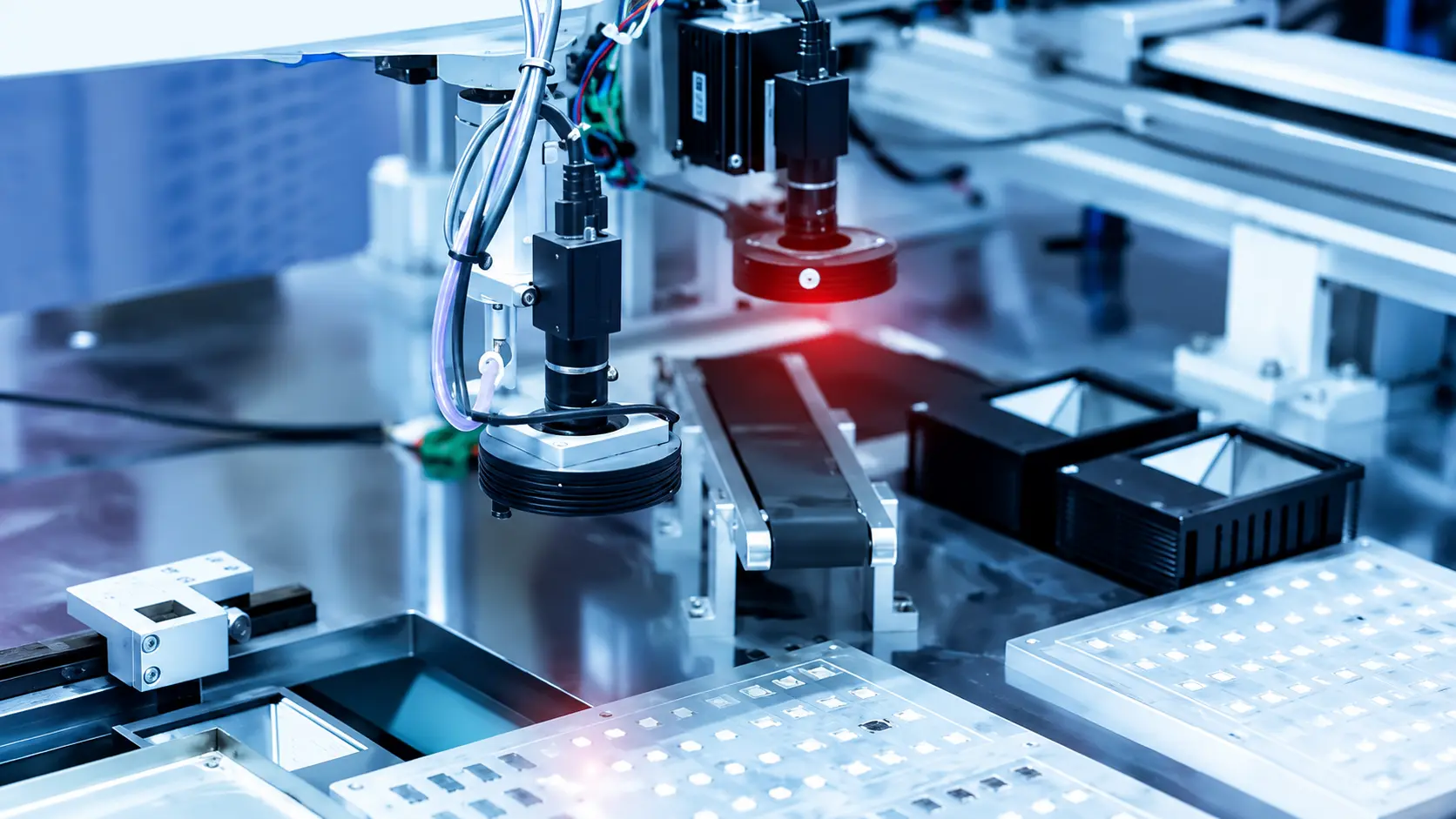
Machine vision refers to the use of imaging systems and computer-based processing technologies to capture, analyze, and interpret visual information in industrial environments. A typical machine vision system consists of cameras, optical lenses, lighting systems, image processing software, and communication interfaces connected to manufacturing equipment or automation systems.
Unlike manual visual inspection, machine vision systems can continuously analyze components and production processes with high speed and repeatability. The captured image data can be processed to detect defects, verify dimensions, identify objects, or guide automated equipment during manufacturing operations.
Depending on the application, machine vision systems may operate using conventional rule-based image processing methods or more advanced Artificial Intelligence (AI) and deep learning technologies for complex pattern recognition tasks.
Typical machine vision system (from Cognex)
Machine Vision in the Industrial Manufacturing Ecosystem
In modern manufacturing environments, machine vision is not limited to simple visual inspection. Instead, it functions as part of a larger industrial ecosystem involving automation systems, robotics, quality control processes, and production monitoring technologies.
Within this ecosystem, machine vision can support several key manufacturing functions:
1. Inspection, Quality Control, and Dimensional Measurement
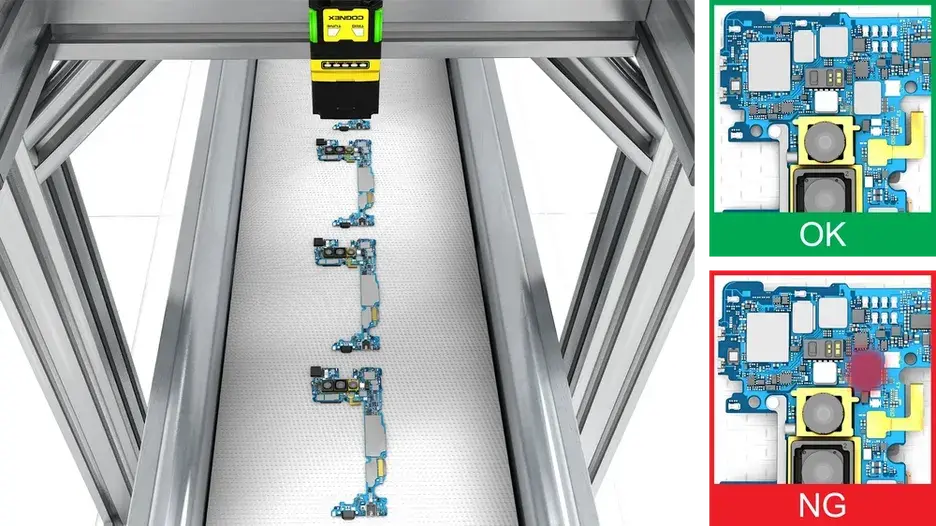
One of the most common applications of machine vision is automated quality inspection and dimensional verification. Manufacturers use vision systems to identify scratches, cracks, dents, missing components, surface contamination, and other visible defects during production processes.
In addition to defect detection, machine vision systems can perform dimensional measurement and metrology tasks by verifying component dimensions, contour profiles, hole positions, and geometric features without requiring physical contact with the part surface. This makes machine vision particularly useful for delicate components, precision manufacturing applications, and high-speed inline inspection environments.
By performing continuous real-time inspection on production lines, machine vision systems help manufacturers improve inspection speed, maintain product consistency, and reduce the risk of human inspection errors.
2. Robotics and Automation Guidance
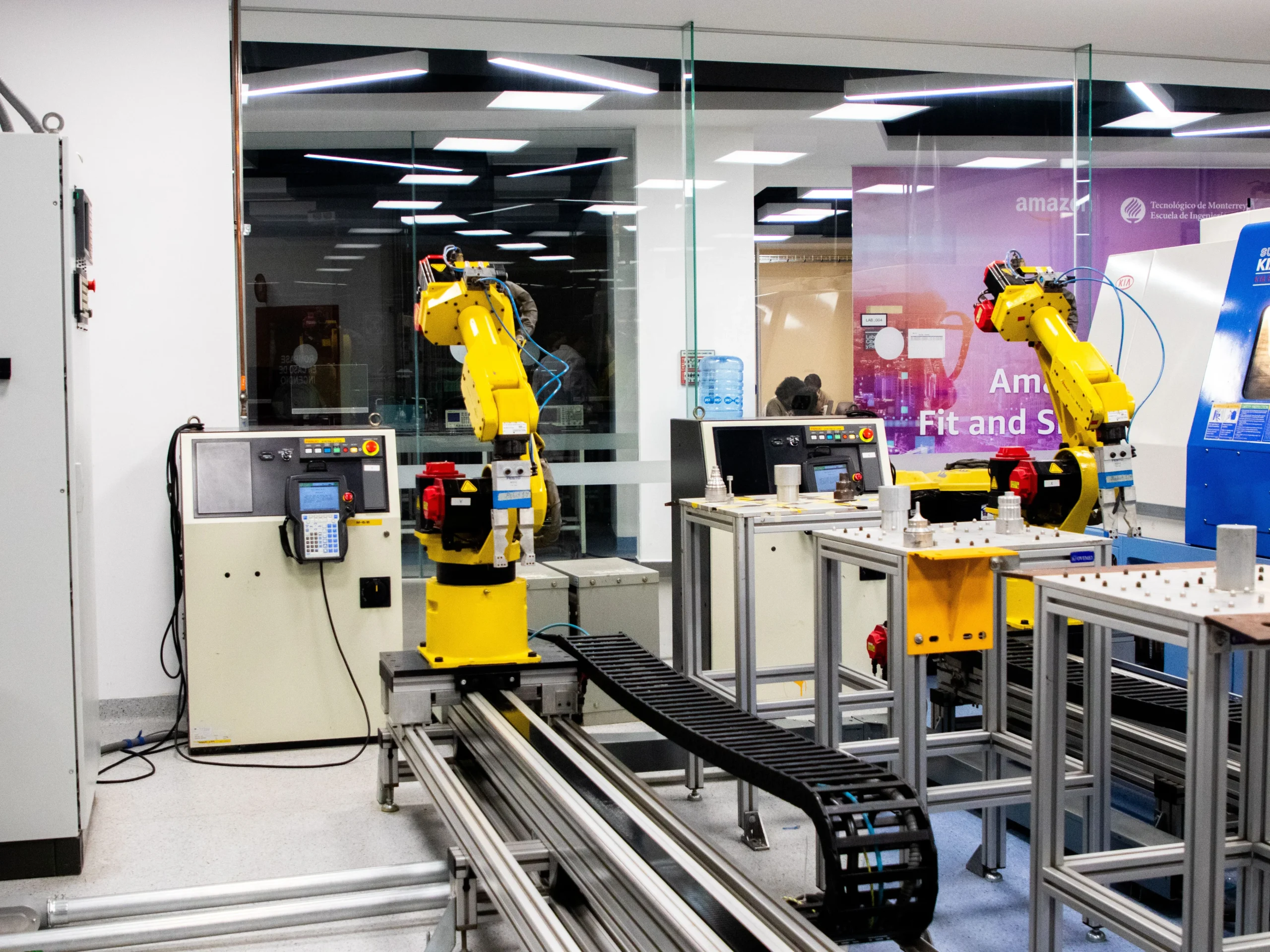
Machine vision also supports robotic automation systems by helping machines identify component locations, orientations, and movement positions. By providing real-time visual feedback, vision systems enable automated equipment to perform tasks with greater accuracy and reliability.
Vision-guided robotics are commonly used in pick-and-place operations, automated assembly systems, packaging lines, and conveyor-based production environments. Accurate visual positioning information helps improve robotic precision, production efficiency, and overall process consistency.
3. Data Collection, Product Identification, and Traceability
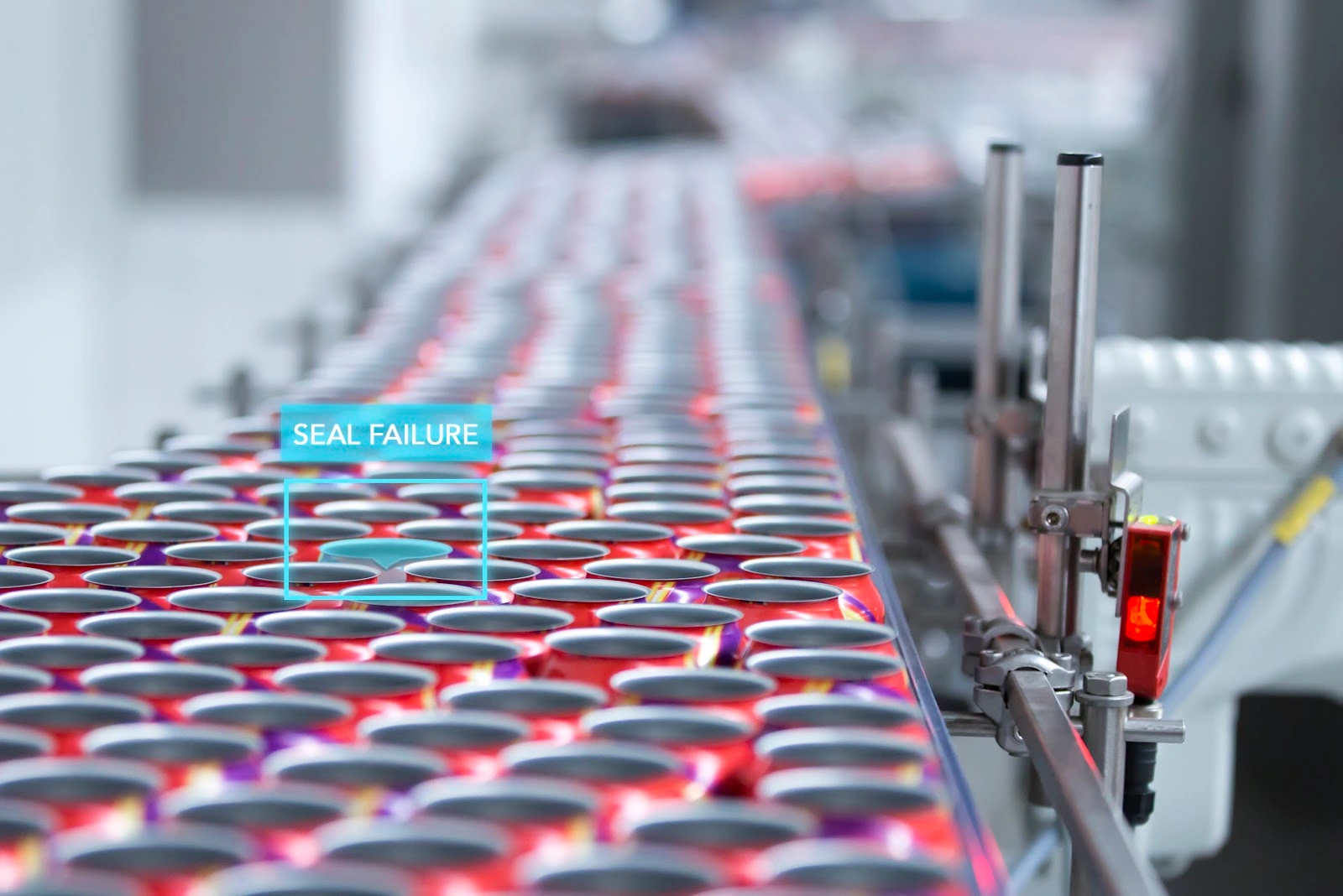
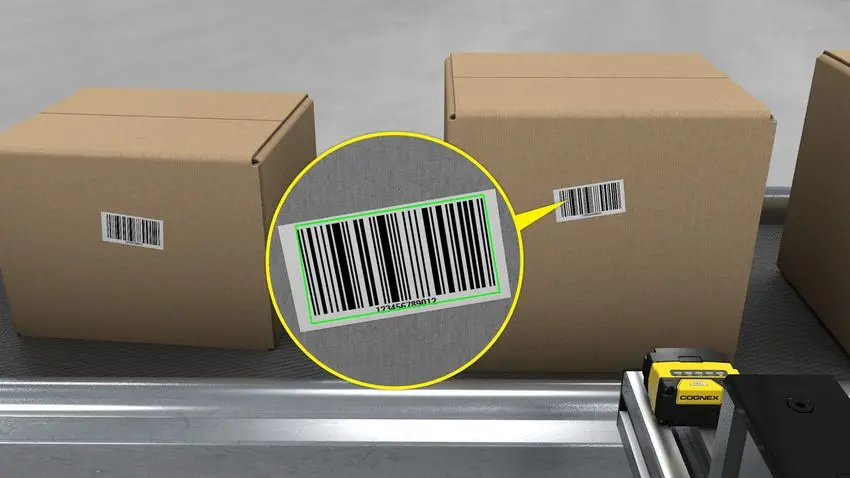
In addition to inspection and automation, machine vision systems are frequently used for barcode reading, QR code scanning, Optical Character Recognition (OCR), serial number verification, and printed label inspection. These capabilities support product identification and traceability throughout different stages of manufacturing and packaging operations.
Traceability systems help manufacturers monitor production flow, maintain quality records, support inventory management, and meet quality assurance or regulatory compliance requirements where applicable.
By integrating these functions into a connected manufacturing environment, machine vision plays an important role in supporting smart factory operations, production monitoring, and automated manufacturing systems.
Automated quality inspection (from Softengi)
Vision-guided robotics
Product identification (from Cognex)
Where Video Measuring Systems (VMSs) Fit in the Machine Vision Ecosystem
Within the broader machine vision ecosystem, Video Measuring Systems (VMSs) serve as specialized optical measurement systems designed for high-accuracy dimensional inspection and metrology applications.
While general machine vision systems are often optimized for automation speed and defect detection, Video Measuring Systems focus more heavily on precise dimensional verification, contour measurement, and geometric analysis. VMSs are commonly used for inspecting precision components, tooling, molds, machined parts, and small detailed features that require accurate measurement results.
Because Video Measuring Systems operate using non-contact optical measurement, they are particularly suitable for inspecting delicate materials and complex geometries without physically touching the component surface.
As a result, VMS technology plays an important role within manufacturing environments that require both automation efficiency and precision quality control.
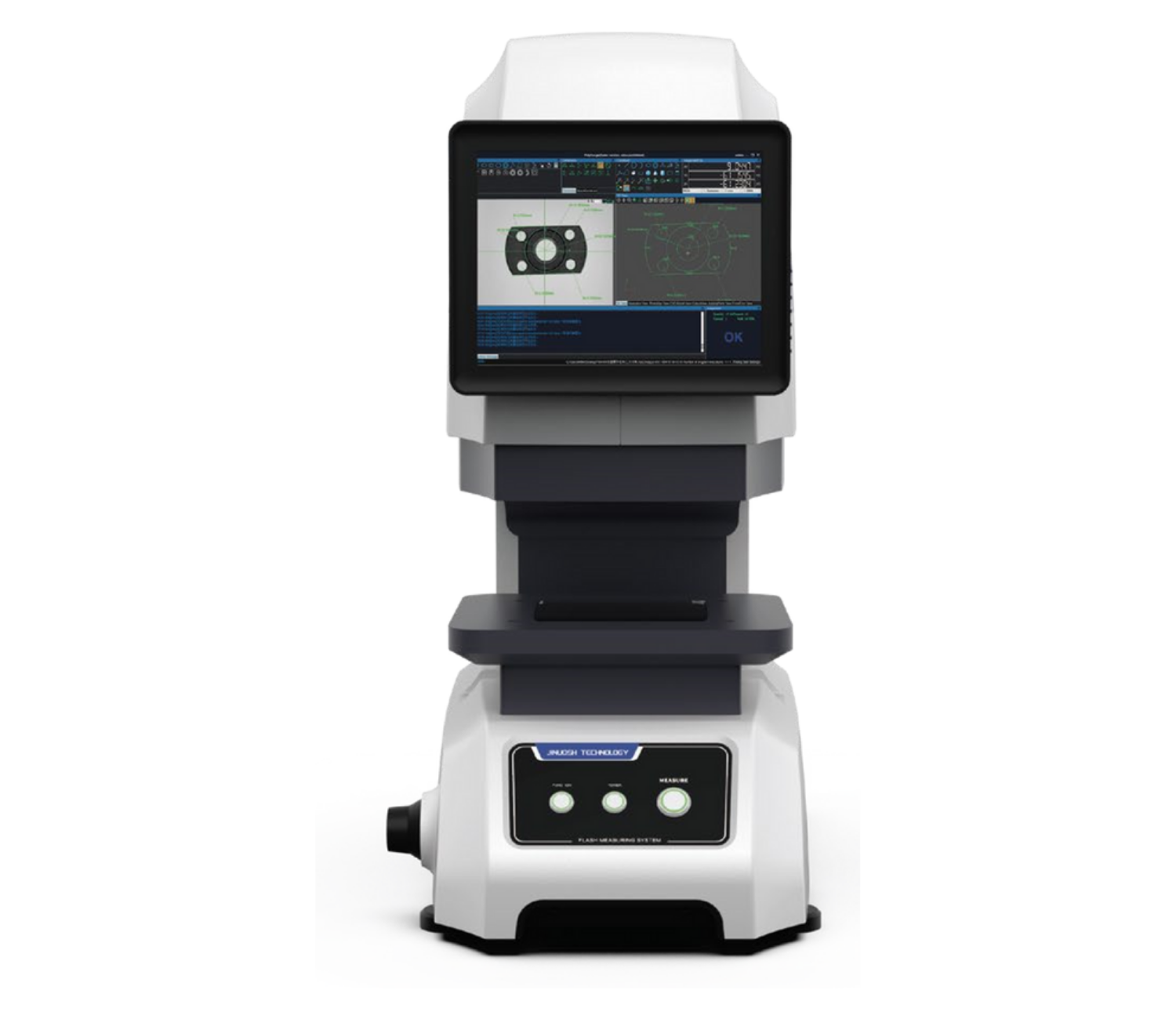
Velox Series (One Touch, Flash Measurement, IDMS)
The Velox Series is an example of a machine vision-based Video Measuring Systems designed for fast, non-contact dimensional inspection. By combining optical imaging with automated measurement capabilities, it enables efficient dimensional verification and quality control for precision manufacturing applications.
Advantages of Machine Vision Systems
The use of machine vision systems in industrial manufacturing offers several advantages, including:
High-speed automated inspection
Improved inspection consistency and repeatability
Reduced human inspection error
Non-contact inspection capabilities
Integration with robotic and automation systems
Real-time production monitoring
Improved manufacturing efficiency and quality control
These advantages help manufacturers improve productivity while supporting modern automated manufacturing requirements.
Limitations and Challenges
Despite their advantages, machine vision systems may also face certain limitations in industrial environments.
Lighting conditions, reflective surfaces, transparent materials, and complex part geometries can sometimes affect image quality and inspection accuracy. In addition, some applications may require careful system calibration, software configuration, or advanced AI training to achieve reliable inspection performance.
Initial implementation costs and integration complexity may also vary depending on the manufacturing environment and inspection requirements.
Conclusion
As industrial manufacturing continues to evolve toward automation and smart factory systems, machine vision has become an increasingly important technology for quality inspection, dimensional measurement, robotics guidance, and production monitoring applications.
By supporting automated defect detection, dimensional verification, robotic automation, and product traceability, machine vision systems help manufacturers improve consistency, efficiency, and operational reliability throughout the production process. Within this broader manufacturing ecosystem, Video Measuring Systems (VMSs) provide specialized high-precision optical measurement capabilities that support accurate dimensional inspection and quality control in modern manufacturing environments.