Tips for Selecting the Right Measurement Equipment for Industrial Production and Quality Control
Selecting measurement equipment for production is not just a purchasing exercise. It is a process control decision. Inaccurate or unstable measurement systems can lead to false rejects, undetected defects, and unreliable quality data. As production tolerances tighten and compliance requirements increase, the impact of incorrect equipment selection becomes more severe.
This article is intended for manufacturing and quality control engineers responsible for inspection planning, process capability, and audit readiness. It explains how measurement equipment can be selected based on production requirements, measurement principles, environmental conditions, and long term reliability rather than relying on brochure specifications alone.
What Is Measurement Equipment in a Production Environment
Measurement equipment refers to tools and systems used to verify whether a product conforms to defined specifications throughout the manufacturing process. This includes dimensional measurement, form and position verification, surface evaluation, and material inspection.
In production, measurement equipment serves three core functions. First, it verifies product conformity. Second, it supports process control by identifying variation trends. Third, it provides traceable data for audits and customer requirements. Failure in any of these roles introduces measurable risk into the manufacturing system.
Why Measurement Equipment Selection Matters in Production
In modern manufacturing, quality control is no longer limited to final inspection. Measurement is now integrated into process control, statistical analysis, and continuous improvement efforts. When measurement equipment is not well matched to the application, several issues can arise.
Results may become inconsistent between operators or shifts. Inspection cycle time may increase, disrupting production flow. Data may no longer be reliable for decision making. Over time, these issues can lead to higher scrap rates, increased rework, and audit findings.
Selecting the right equipment ensures that measurement supports production rather than becoming a bottleneck. With a clear understanding of its role in the manufacturing process, the next step is to look at how measurement requirements can be defined before selecting the appropriate solution.
Start with the Actual Measurement Requirement
Selecting the right measurement equipment begins with a clear understanding of what needs to be measured. This includes identifying the specific features, dimensions, and tolerances that are critical to product quality.
It is also important to consider the type of measurement required. Some applications involve simple dimensional checks, while others require evaluation of form, position, or surface characteristics. Without clearly defining these requirements, it becomes difficult to determine whether a piece of equipment is suitable for the task.
A well-defined measurement requirement ensures that equipment selection is based on actual production needs rather than assumptions.
Match Measurement Capability to Process Tolerance
Once measurement requirements are defined, the next step is to ensure that the equipment is capable of measuring within the required tolerance range. The goal is not to select the most precise instrument available, but to choose one that is appropriate for the process.
If the measurement capability is too close to the process tolerance, results may become unreliable. Small variations in measurement can lead to incorrect decisions, such as rejecting acceptable parts or passing defective ones.
Selecting equipment with suitable measurement capability helps maintain confidence in the data while avoiding unnecessary complexity or cost.
Consider the Production Environment
Measurement does not take place in isolation. Environmental conditions within the production area can have a direct impact on measurement performance and consistency.
Factors such as temperature variation, vibration, dust, and operator handling can influence results. Equipment that performs well in a controlled environment may not deliver the same performance on the shop floor.
Taking these conditions into account during selection helps ensure that the equipment remains stable and reliable under actual working conditions.
Evaluate Usability and Operator Interaction
Measurement systems are operated by people, and ease of use plays an important role in ensuring consistent results. Equipment that is difficult to operate increases the likelihood of variation between users.
Clear workflows, intuitive interfaces, and straightforward setup procedures contribute to more consistent measurements across different operators and shifts. This also reduces training time and improves overall efficiency.
When usability is considered alongside technical capability, the measurement process becomes more reliable and easier to maintain.
Selecting Equipment Based on Production Use Case
Different production environments require different measurement approaches. Equipment selection should be driven by the specific use case rather than by equipment category alone.
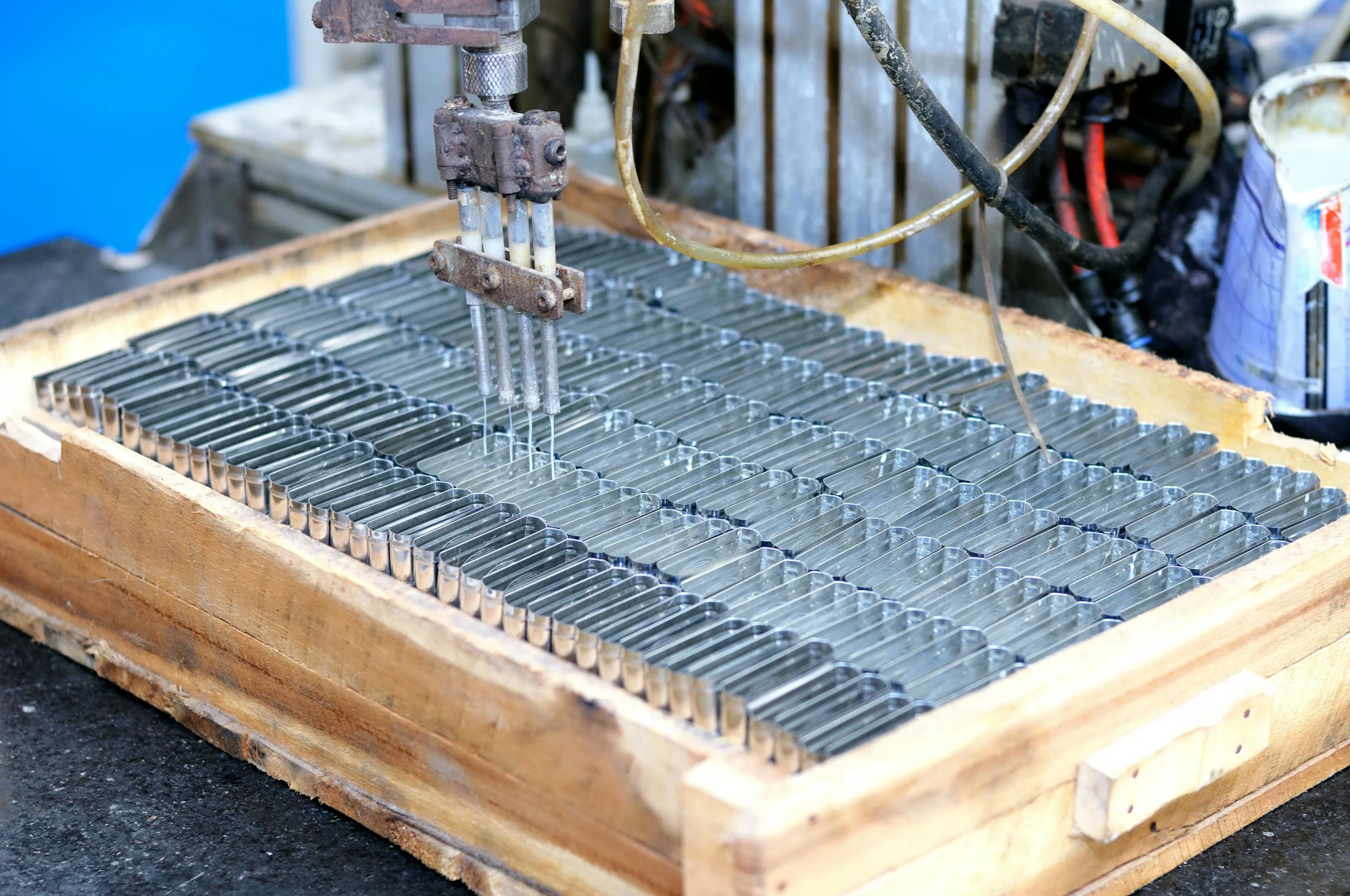
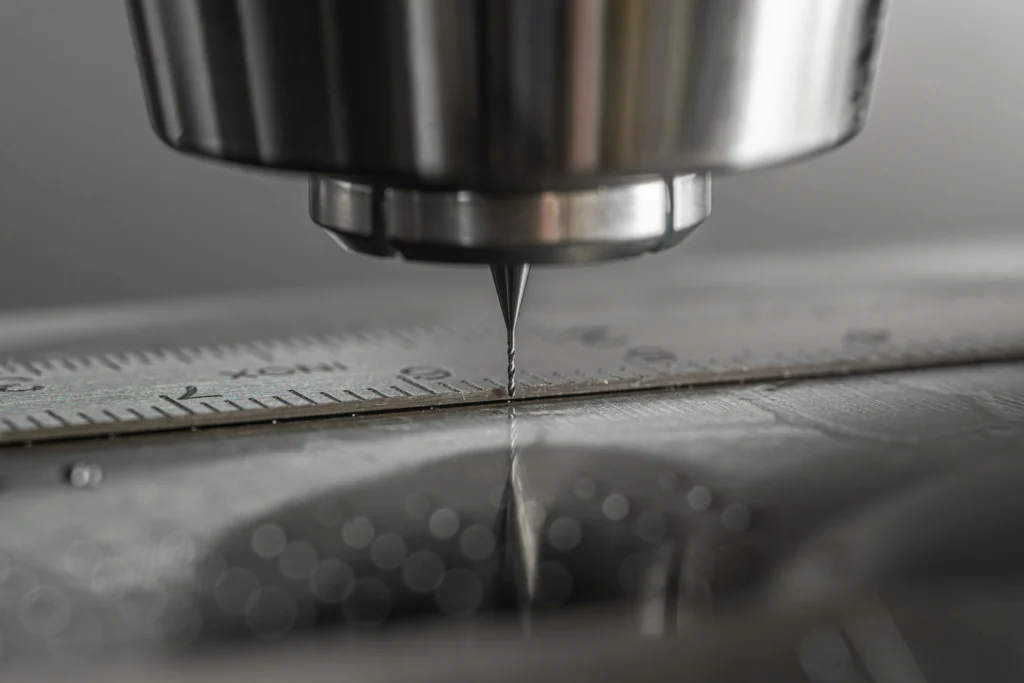
In precision machining, components with complex geometries often require optical or non-contact systems to capture features that are difficult to access using traditional contact methods. In high-volume production, the priority shifts toward maintaining throughput, making automated or semi-automated systems more suitable for consistent and efficient inspection. For in-process inspection, equipment must be robust, fast, and capable of delivering repeatable results with minimal setup to avoid disrupting production flow.
Aligning measurement equipment with the actual production use case ensures that inspection remains both reliable and efficient. When properly matched, measurement systems support process stability rather than becoming a constraint on productivity.
Determine the Measurement Requirements Based on the Production Use Case
How Modern Inspection Systems Bridge the Gap
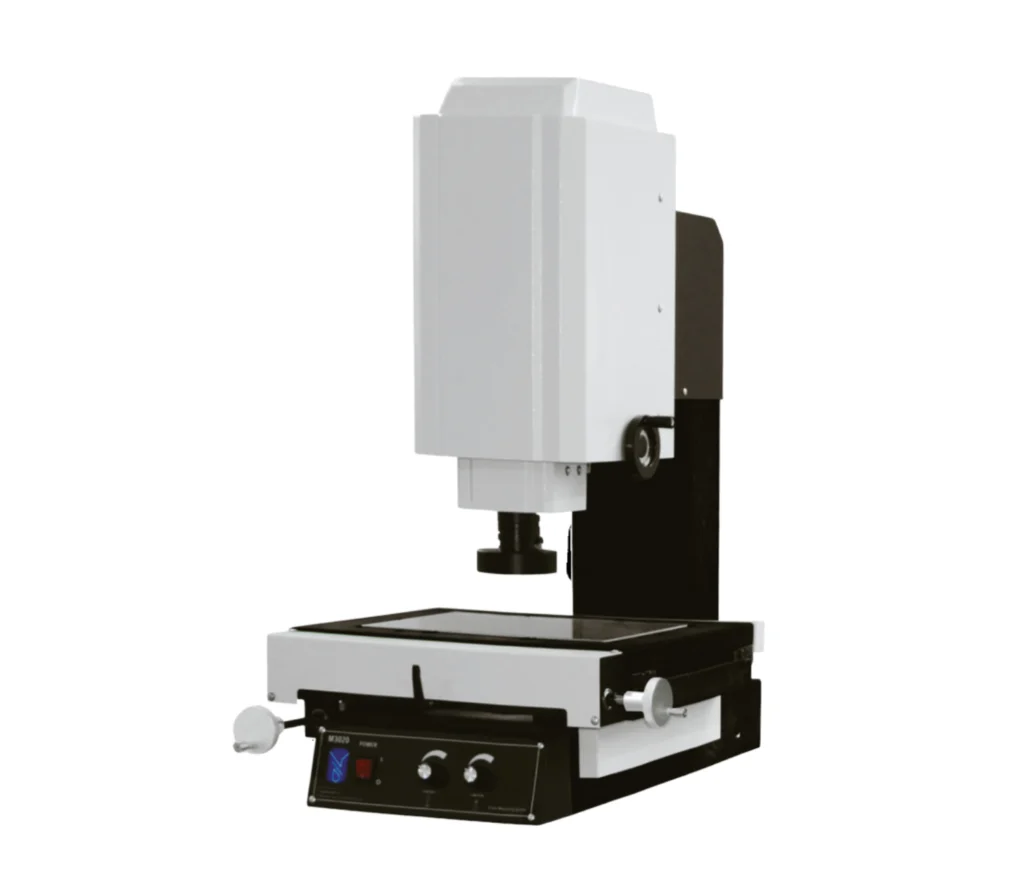
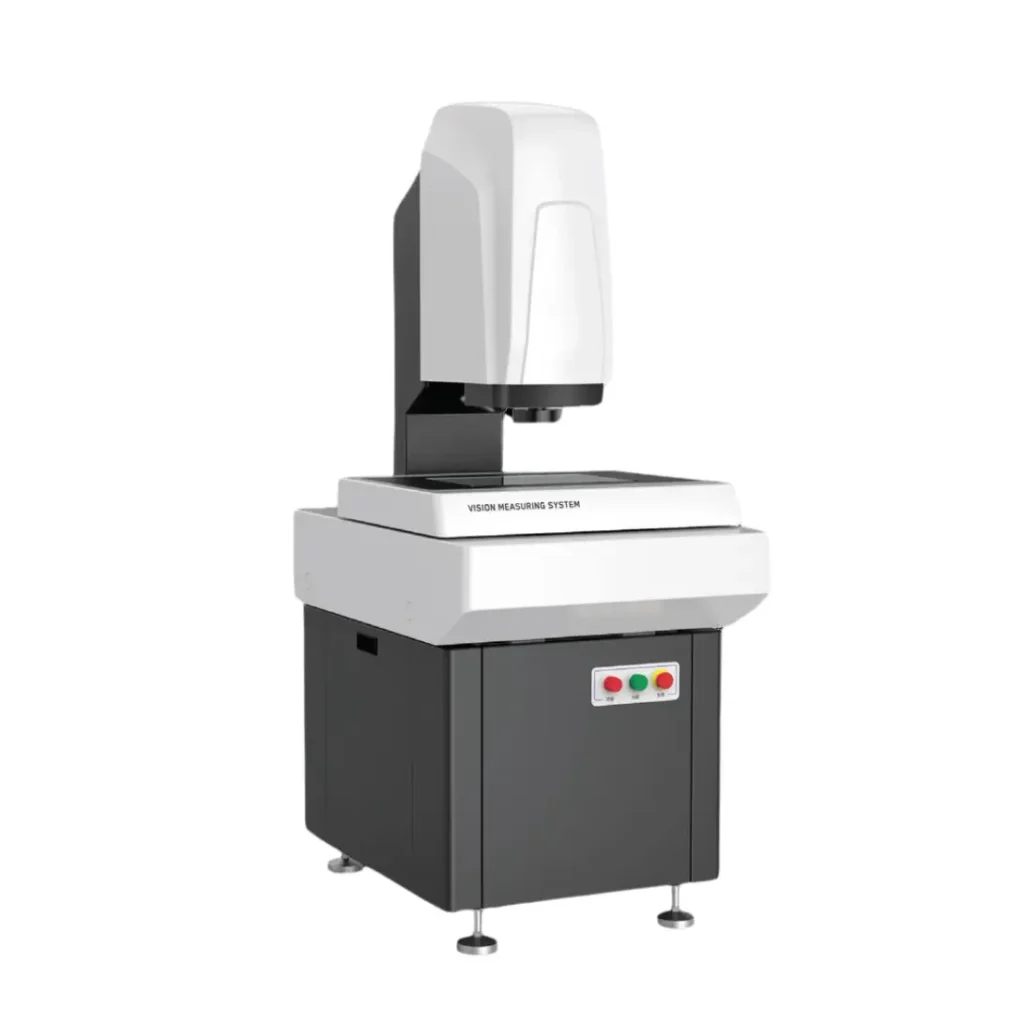
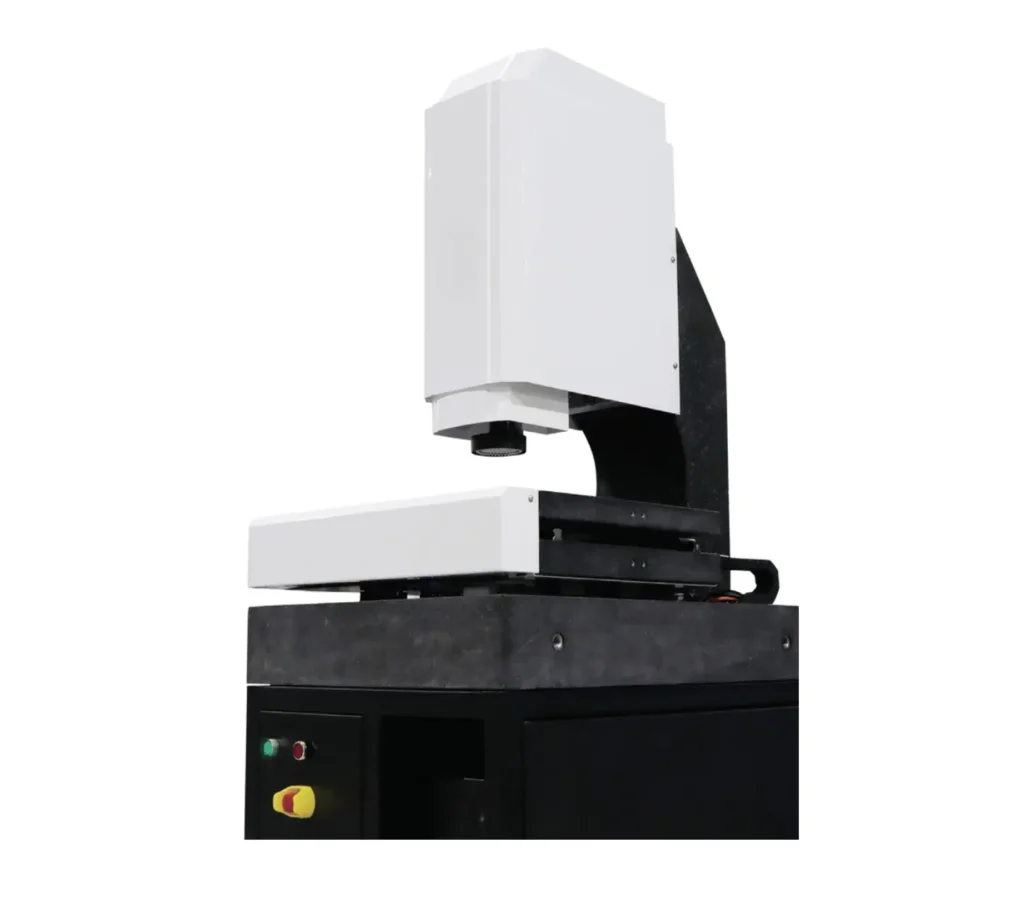
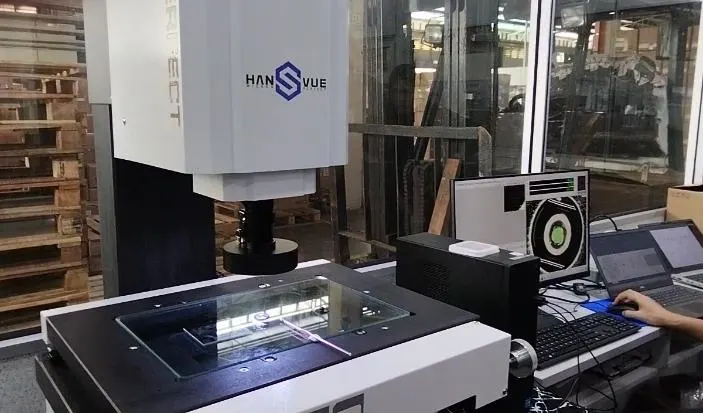
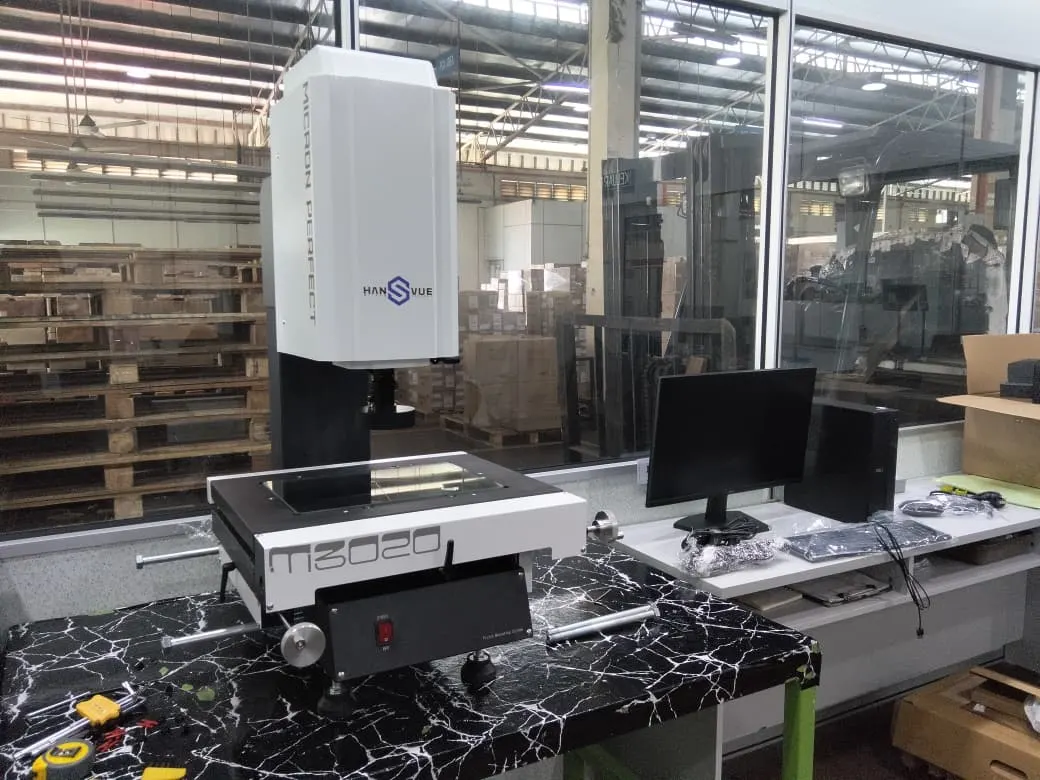
Modern inspection systems such as Video Measuring Systems (VMS) and Coordinate Measurement Machines (CMM) help bridge the gap between measurement and decision making. Through automated measurement processes and integrated software, they allow data to be captured and analysed in a structured and consistent manner.
While operator input is still required to define measurement routines, the execution of these measurements can be carried out with a high level of consistency. This reduces variability and improves the reliability of the results.
In addition, digital reporting and integration with production systems improve visibility of inspection data. This allows results to be reviewed more efficiently and supports faster, more informed decisions.
Modern inspection systems are not just measurement tools. They are decision enabling systems that connect data directly to action.
Hexa Series (Manual VMS)
Spectra Series (High Accuracy Video Measurement Machine)
Nimbus Series (Fully Automatic Video Measuring System)
Training for the Manual Video Measuring System (VMS)
Installation of the Manual Video Measuring System (VMS)
Conclusion
The ability to measure is no longer what sets manufacturers apart. What matters is how effectively measurement data is used to guide decisions across the production process.
Organizations that can respond quickly, maintain consistency, and act with confidence are better positioned to improve quality and efficiency. By turning measurement data into meaningful action, inspection becomes more than a control step. It becomes a source of competitive advantage.