From Measurement to Decision: How Inspection Data Drives Quality Control
Modern manufacturing has made significant progress in the ability to measure parts with high precision. However, measurement alone does not improve quality. The real impact comes from how inspection data is interpreted, communicated, and used to guide decisions.
When used effectively, inspection data becomes more than a record of results. It becomes a key driver of quality, efficiency, and continuous improvement across the production process.
What Happens After Measurement?
After a measurement is taken, raw data is collected and evaluated against defined requirements. This typically involves comparing results with specified tolerances, as well as referencing Computer-Aided Design (CAD) models or engineering drawings. Based on these comparisons, measurements are translated into clear outcomes such as pass or fail.
At this stage, interpretation becomes critical. Without proper context and analysis, inspection data remains a collection of values without direction. It does not indicate what actions should be taken or how processes should respond. Only when the data is understood and applied does it begin to support meaningful decision making.
Types of Decisions Driven by Inspection Data
Inspection data supports decision making at multiple levels within manufacturing. It influences how quality is maintained, how processes are adjusted, and how production flows are managed.
1. Quality control decisions
Inspection data determine whether parts are accepted or rejected. They help identify non conformance and guide decisions on whether rework is required. These actions ensure that only parts meeting specifications move forward in the production process.
2. Process control decisions
Inspection data provides insight into how stable and capable a process is. It can indicate the need to adjust machining parameters, compensate for tool wear, or correct gradual process drift. This allows manufacturers to address issues early and maintain consistency.
3. Production flow decisions
Inspection data also affect broader operational decisions. Teams may choose to continue production, hold a batch for further review, or escalate issues to engineering for investigation. In this way, inspection data connects the shop floor to decision making at multiple levels.
Quality control
Process control
Production flow
Common Gaps Between Data and Decision
Despite the availability of detailed inspection data, many organizations face challenges in turning this information into effective action. One common issue is data overload, where large volumes of measurements are collected but not clearly interpreted. Important insights can be lost when there is no structured way to analyze the results.
Delays in reporting also create gaps, especially when data is processed manually or reviewed too late to influence ongoing production. In some cases, decision making depends heavily on individual operator judgment, which can introduce variability. Inconsistent interpretation of results between different personnel or departments further complicates the process.
As a result, valuable inspection data is often underutilized. This slows down response times and increases the risk of defects progressing to the next stage of production.
from data collection to interpretation
How Modern Inspection Systems Bridge the Gap
Modern inspection systems such as Video Measuring Systems (VMS) and Coordinate Measurement Machines (CMM)help close the gap between data and decision making. By combining automated measurement with integrated analysis tools, they enable faster and more consistent evaluation of inspection results once measurement routines are defined.
Inspection outcomes can be presented through digital reports that are easy to access and share across teams. When integrated with production systems, this information can support faster responses on the shop floor. Standardized workflows also ensure that results are interpreted consistently, reducing dependence on individual judgment.
Modern inspection systems are not just measurement tools. They are decision enabling systems that connect data directly to action.
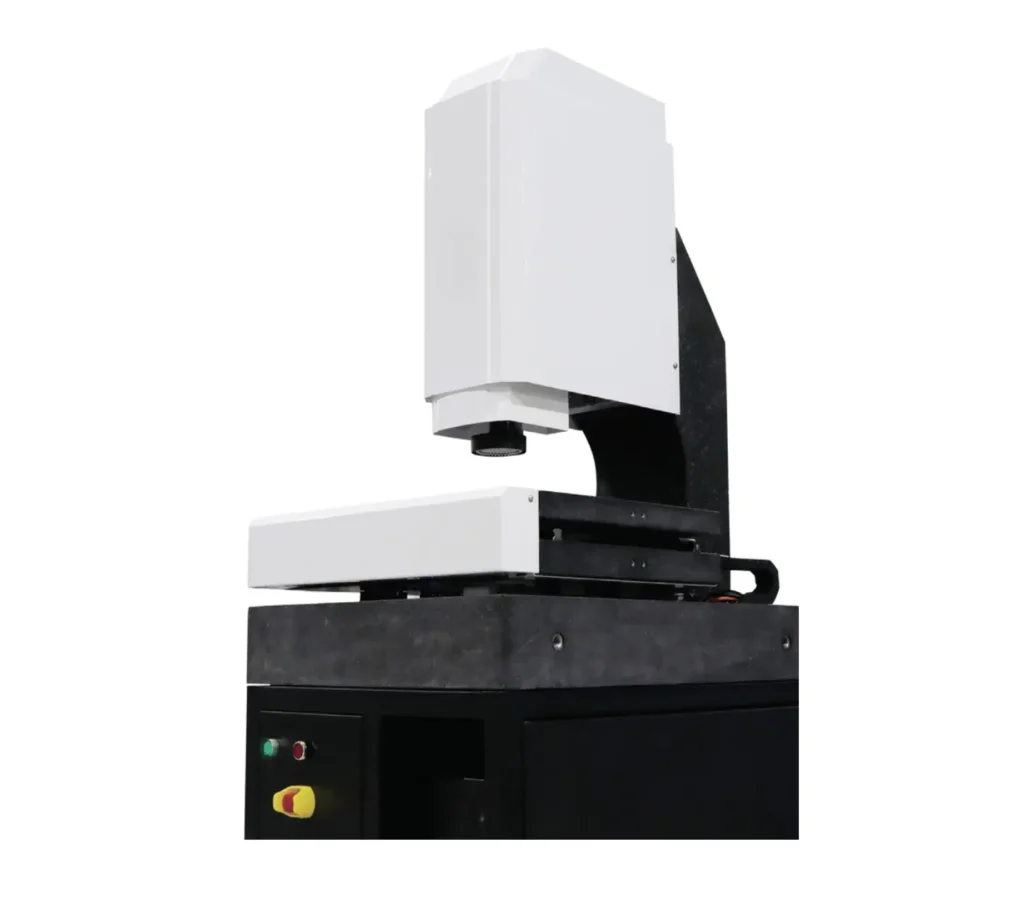
Nimbus Series (Fully Automatic Video Measuring System)
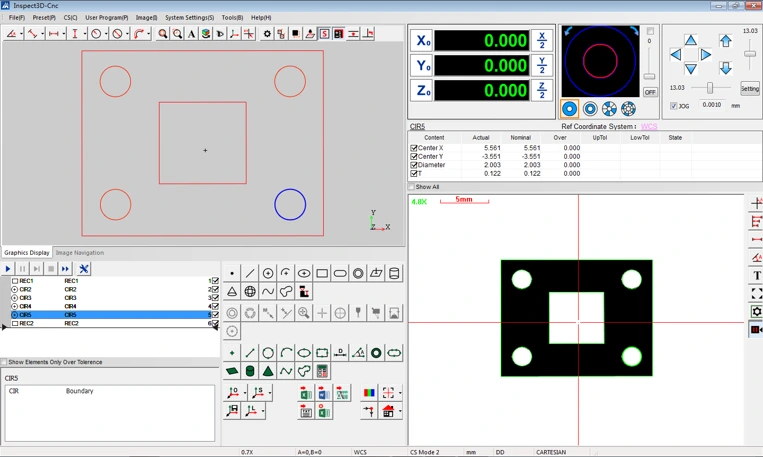
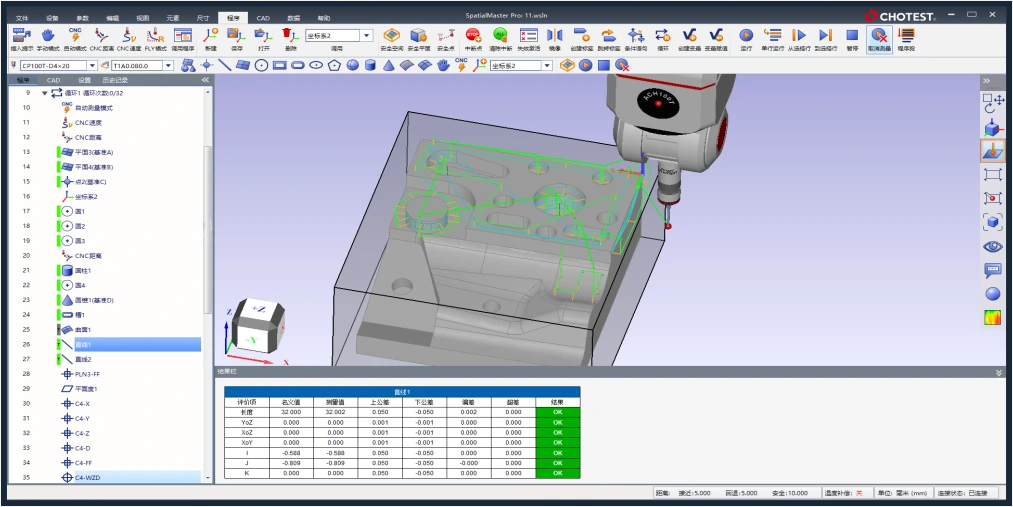
Dimensional analysis by the Video Measuring System (VMS)
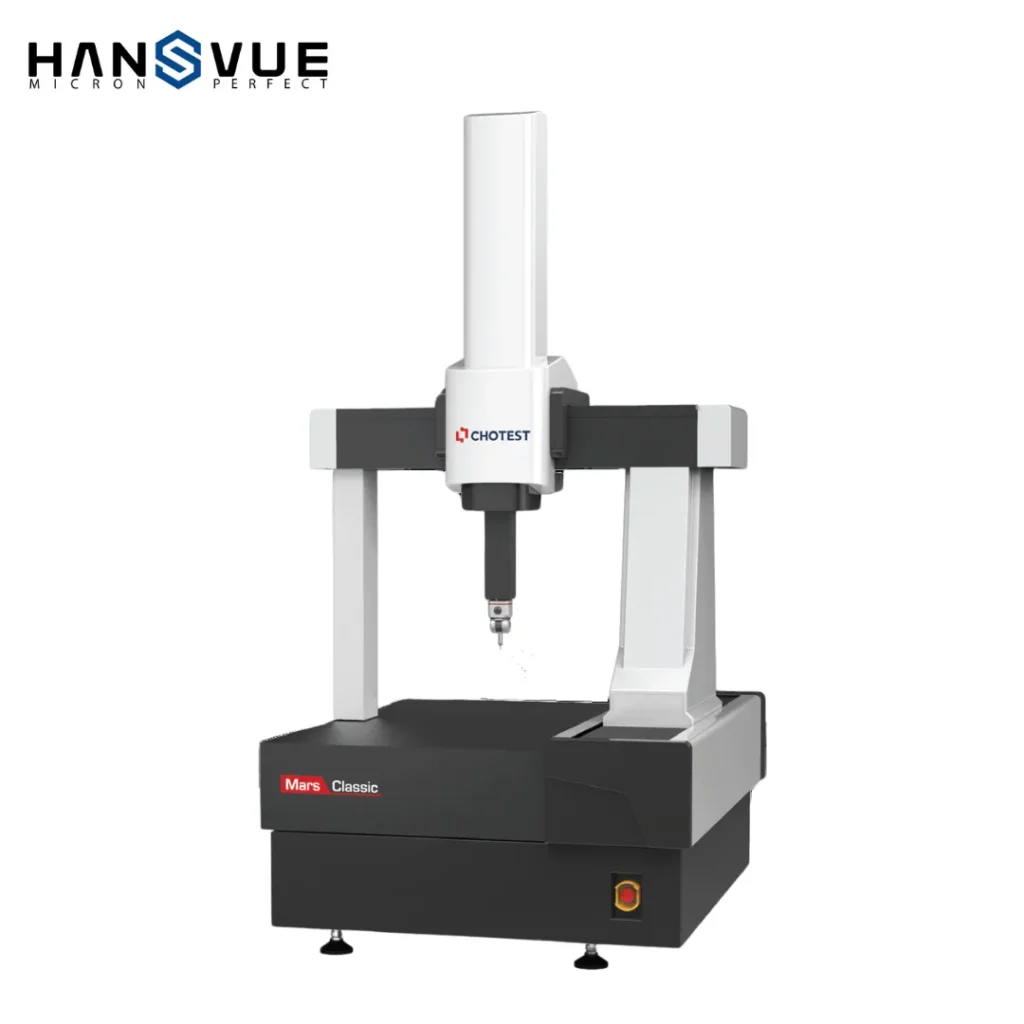
Mars Classic Small Moving-Bridge Coordinate Measurement Machine
Dimensional analysis by the Coordinate Measurement Machine (CMM)
Best Practices for Turning Data into Action
To fully benefit from inspection data, organizations need a structured approach to how it is used. Examples of practices used to convert inspection data into action are:
Defining clear acceptance criteria for consistent evaluation of results
Implementing standardized inspection procedures to ensure that data is reliable and comparable across different operators and processes
Integrating automated reporting tools to improve visibility and reduce delays in decision making
Training operators to interpret data in addition to collecting it, strengthening the overall effectiveness of the system
A structured approach ensures that inspection data consistently leads to the right decisions.
Conclusion
Measurement alone does not define quality. What sets organizations apart is how effectively inspection data is interpreted and used to guide decisions.
Organizations that can respond quickly, maintain consistency, and act with confidence are better positioned to improve quality and efficiency. By turning measurement data into meaningful action, inspection becomes more than a control step. It becomes a source of competitive advantage.