Precision Measurement Challenges in Microelectronics Manufacturing
Precision measurement is the backbone of microelectronics manufacturing. As components shrink to micro- and even nanoscale dimensions, even the smallest deviations can result in functional failures or reduced yield.
In an industry driven by tight tolerances and high-volume production, maintaining accuracy, repeatability, and consistency is critical to ensuring product quality and process reliability across all stages of manufacturing.
Key Challenges in Precision Measurement
As device geometries continue to shrink, several key challenges emerge in achieving reliable precision measurement, including:
1. Environmental Sensitivity
Microelectronic measurements are highly sensitive to environmental conditions such as temperature, humidity, vibration, and airflow. Even minor fluctuations can cause thermal expansion or contraction in both the measuring equipment and the workpiece. At micro-scale tolerances, these small changes can introduce significant measurement errors.
2. Equipment Limitations at Microscale
At the microscale, achieving reliable measurements is challenging due to the tight tolerances involved. Factors including probe accuracy, optical resolution, calibration drift, and mechanical tolerances can all contribute to variability in results.
3. Material and Surface Complexity
Microelectronic components use a variety of materials with differing reflectivity, transparency, and surface roughness. These properties can make some measurement techniques less consistent or more difficult to apply. Highly reflective, transparent, or delicate surfaces require careful consideration to avoid introducing errors.
4. Measurement Repeatability and Reproducibility
Achieving consistent results across multiple measurements or different operators is a major challenge. Slight variations in setup, alignment, or measurement parameters can lead to discrepancies. In high-volume manufacturing, poor repeatability can reduce confidence in quality control processes.
5. Data Volume and Interpretation
Advanced measurement systems generate large volumes of high-resolution data. Extracting meaningful insights while ensuring statistical validity can be difficult. Without proper data management and analysis tools, critical trends or deviations may be overlooked.
These challenges highlight the complexity of achieving reliable precision measurement in microelectronics manufacturing, where multiple factors must be carefully controlled to maintain accuracy and consistency.
Measurement results affected by equipment limitations
Measurement results affected by object surface texture
Strategies for Overcoming Challenges
To ensure reliable precision measurement in microelectronics manufacturing, the following strategies are commonly adopted:
Environmental Control: Stable temperature, humidity, and minimal vibration help reduce measurement variability and improve consistency.
Regular Calibration and Maintenance: Regular calibration and system checks are essential to maintain measurement accuracy over time.
Automation and Advanced Sensors: Automated measurement processes reduce human influence and improve repeatability across multiple measurements.
Surface Treatment and Preparation: Selecting appropriate measurement approaches based on material properties helps minimize surface-related errors.
Data Management: Effective data handling and analysis enable better monitoring, interpretation, and decision-making.
By implementing these strategies, manufacturers can reduce variability and improve measurement reliability, ensuring more consistent and dependable results.
How Video Measurement Systems (VMS) Supports Precision Measurement in Microelectronics Manufacturing
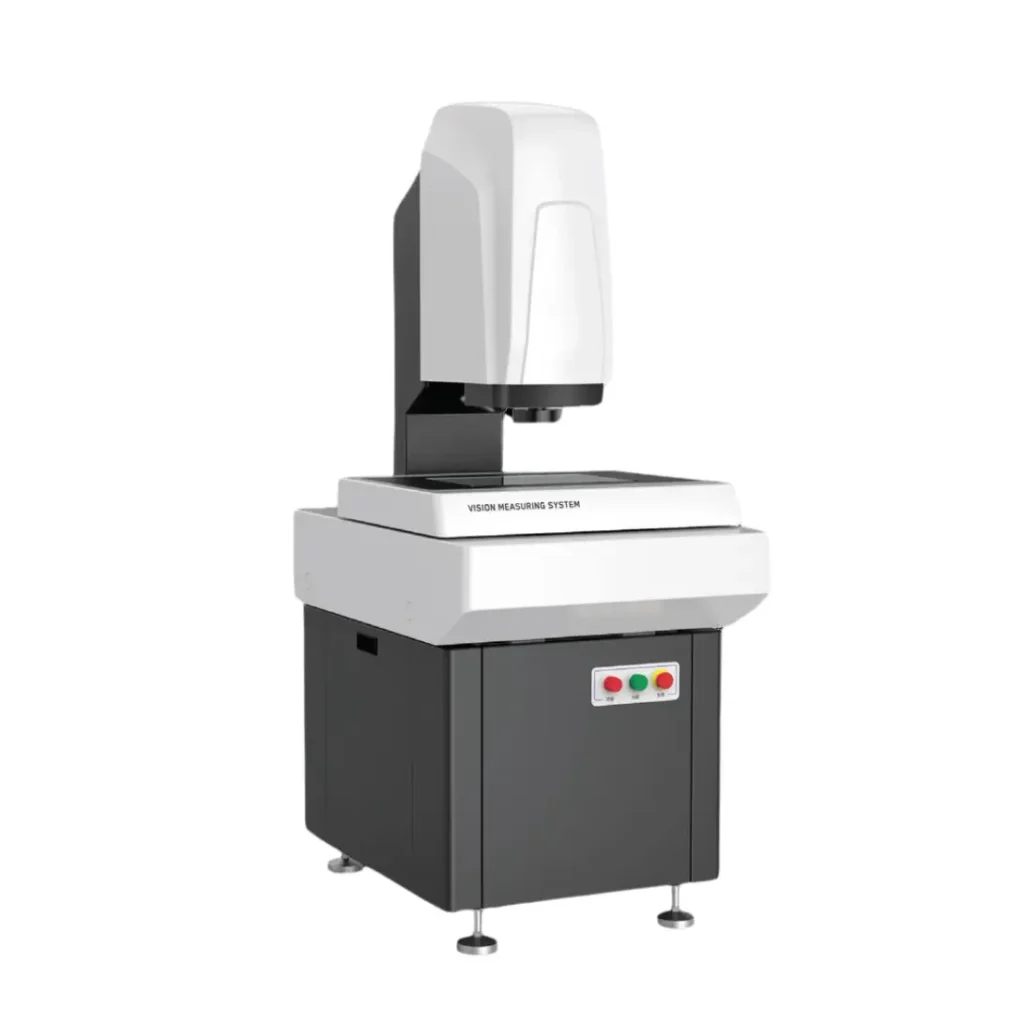
Vision Measuring Systems (VMS) are widely used to support precision measurement in microelectronics manufacturing, particularly for small and delicate components where accuracy and consistency are critical.
1. High-Resolution Optical Measurement
Vision Measuring Systems (VMS) are equipped with high-definition CCD (Charge-Coupled Device) colour cameras and advanced optics to capture detailed images of small features. This enables precise measurement of micro-scale components without the need for physical contact.
2. Reduced Influence on Delicate Components
As a non-contact measurement method, the Vision Measuring Systems (VMS) minimizes the risk of deforming or damaging fragile structures. This is especially important for thin, soft, or sensitive materials commonly found in microelectronics.
3. Improved Measurement Consistency
Automated measurement routines reduce variability caused by manual operation. This helps improve repeatability and ensures more consistent results across multiple measurements.
4. Adaptability to Material and Surface Variations
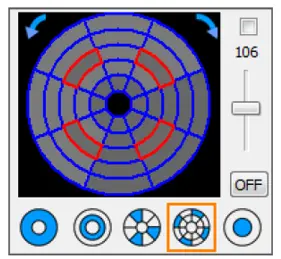
The Vision Measuring Systems (VMS) can measure a wide range of materials with different surface properties, such as reflective or complex geometries. Adjustable lighting and imaging techniques help improve measurement clarity and accuracy.
5. Efficient Data Processing and Reporting
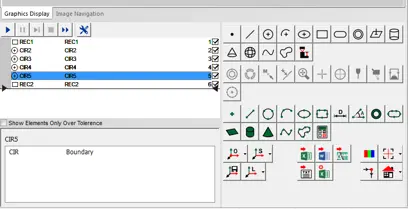
The Vision Measuring Systems (VMS) includes integrated software that enables real-time analysis, data recording, and report generation. Measurement results can also be exported into formats such as Excel and Word, supporting documentation and further analysis.
Geometric Dimensioning and Tolerancing (GD&T) for dimensional analysis
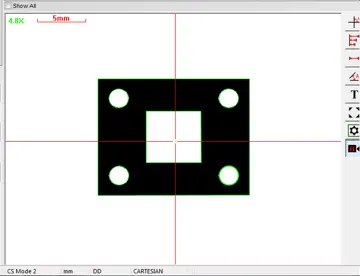
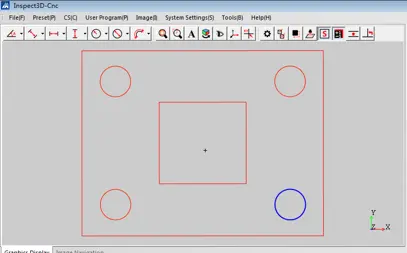
Captured 2D dimensions of the object
Dimensional data can be exported in various file types
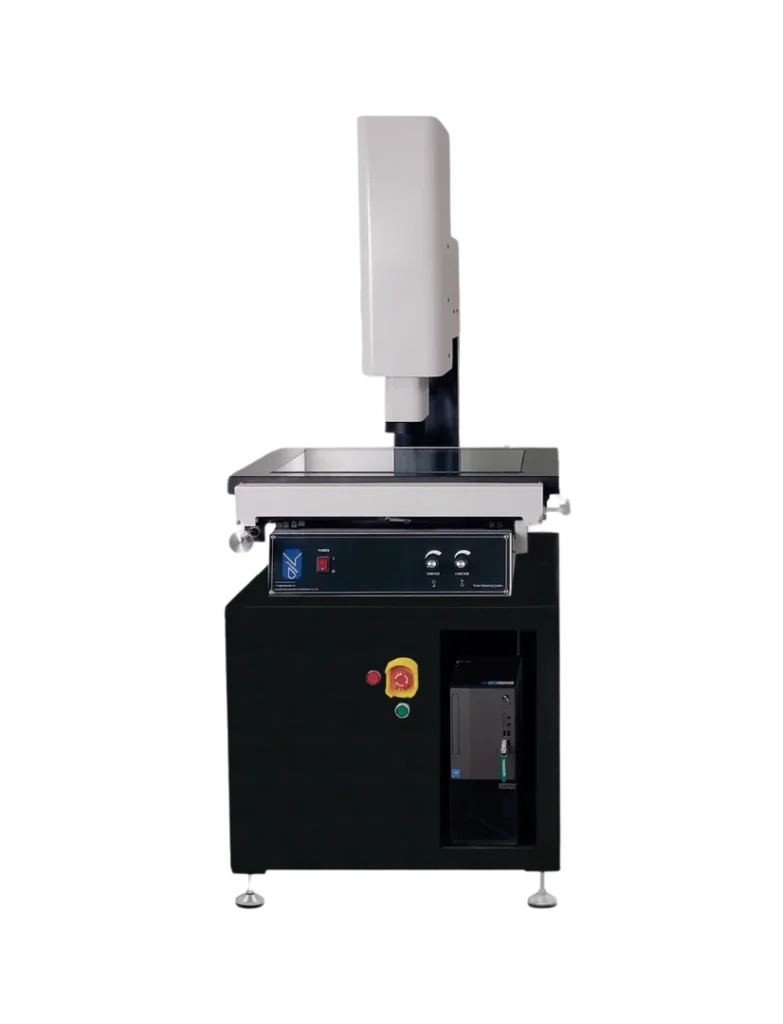
Arc Series (Semi Auto Video Measurement System)
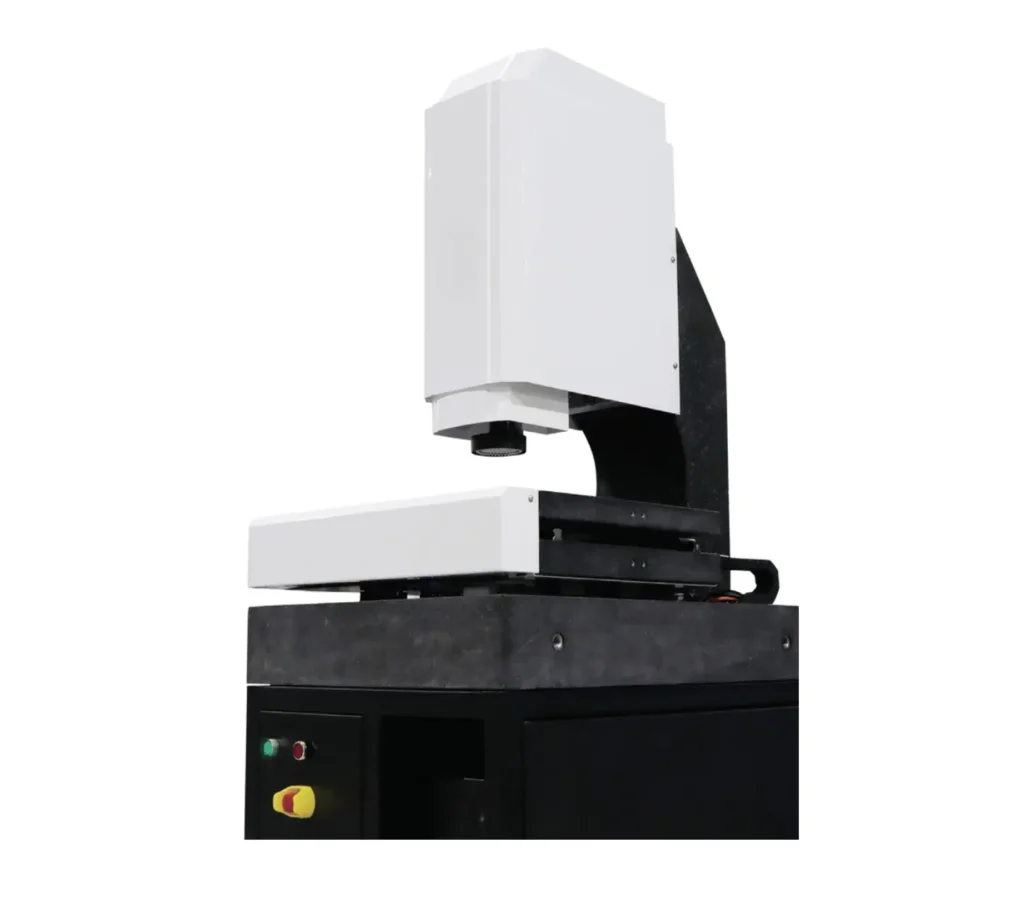
Nimbus Series (Fully Automatic Video Measuring System)
Spectra Series (High Accuracy Video Measurement Machine)
By addressing key measurement challenges such as consistency, surface variability, and data handling, the Video Measuring System (VMS) provides a reliable approach to achieving accurate and repeatable results in microelectronics manufacturing.
Conclusion
Precision measurement in microelectronics manufacturing presents unique challenges due to the scale, complexity, and sensitivity of components. Addressing these challenges requires careful control of environmental conditions, measurement processes, and data management. By applying appropriate strategies and utilizing advanced measurement solutions such as Video Measuring System (VMS), manufacturers can improve accuracy, ensure consistency, and maintain the high-quality standards required in modern electronics production.