A Digital Video Microscope is an optical inspection system that uses a built-in camera to display magnified images on a monitor or computer screen in real time. It combines optical magnification with digital imaging technology, allowing users to observe, capture, and analyze small features with improved visibility and documentation capabilities.
Digital Video Microscopes are commonly used in industrial inspection, electronics manufacturing, quality control, research, and laboratory applications. They are suitable for observing surface details, small components, solder joints, machined parts, and other precision features that may be difficult to inspect with the naked eye.
As manufacturing and inspection processes continue to demand greater accuracy and traceability, Digital Video Microscopes have become increasingly valuable tools for modern inspection workflows.
How a Digital Video Microscope Works
A Digital Video Microscope works by combining an optical lens system, illumination source, camera sensor, and display device to produce magnified live images of a sample or object.
Light from the microscope illuminates the sample surface, typically using reflected light for observing opaque materials such as metals, electronic components, and machined parts. The optical lens system then magnifies the image, while the built-in camera sensor captures the visual data and sends it to a monitor or computer screen for real-time viewing.
Depending on the microscope design, users may also adjust magnification levels, lighting intensity, focus, and image settings to improve visibility during inspection. Some systems additionally include software for image capture, measurement, and documentation.
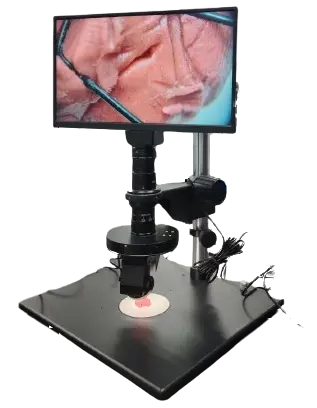
Basic Digital Video Microscope
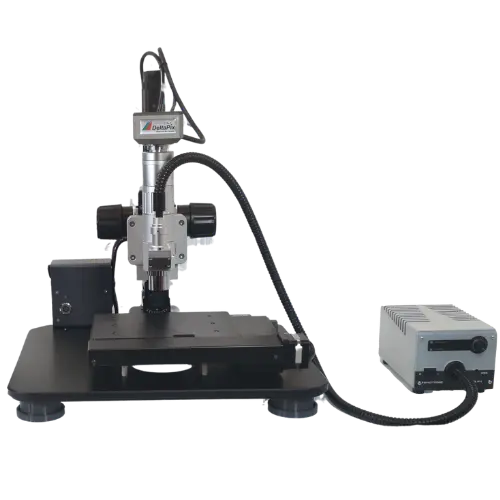
DeltaPix DPX M12000 Digital 3D Microscope
Key Features of Digital Video Microscopes
Digital Video Microscopesoffer a range of features that support inspection, observation, and documentation tasks across various industries.
1. Real-Time Image Display
Magnified images are displayed live on a monitor or computer screen, allowing users to observe inspection areas clearly during operation.
2. Image and Video Capture
Many Digital Video Microscopes support image and video recording for documentation, reporting, training, and quality control purposes.
3. Digital Magnification
Digital Video Microscopes may offer adjustable magnification levels for observing different feature sizes and surface details.
4. Measurement Functions
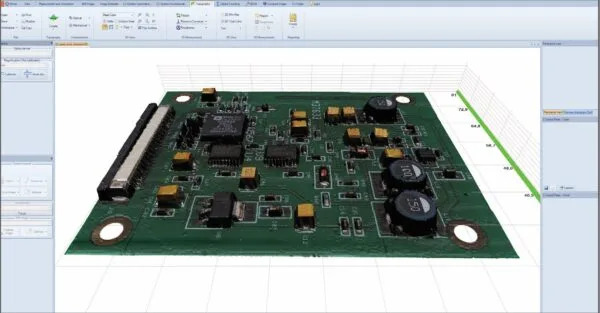
Certain models include measurement software for dimensional inspection, distance measurement, and feature comparison.
5. Connectivity Options
Many Digital Video Microscopes may support HDMI, USB, or network connectivity for external displays, computers, or data storage devices.
6. Ergonomic Operation
Monitor-based viewing can support longer inspection sessions and improve visibility when multiple users need to observe the same sample simultaneously.
Common Applications of Digital Video Microscopes
Digital Video Microscopes are widely used across industrial and laboratory environments where detailed visual inspection is required.
1. PCB and Electronics Inspection
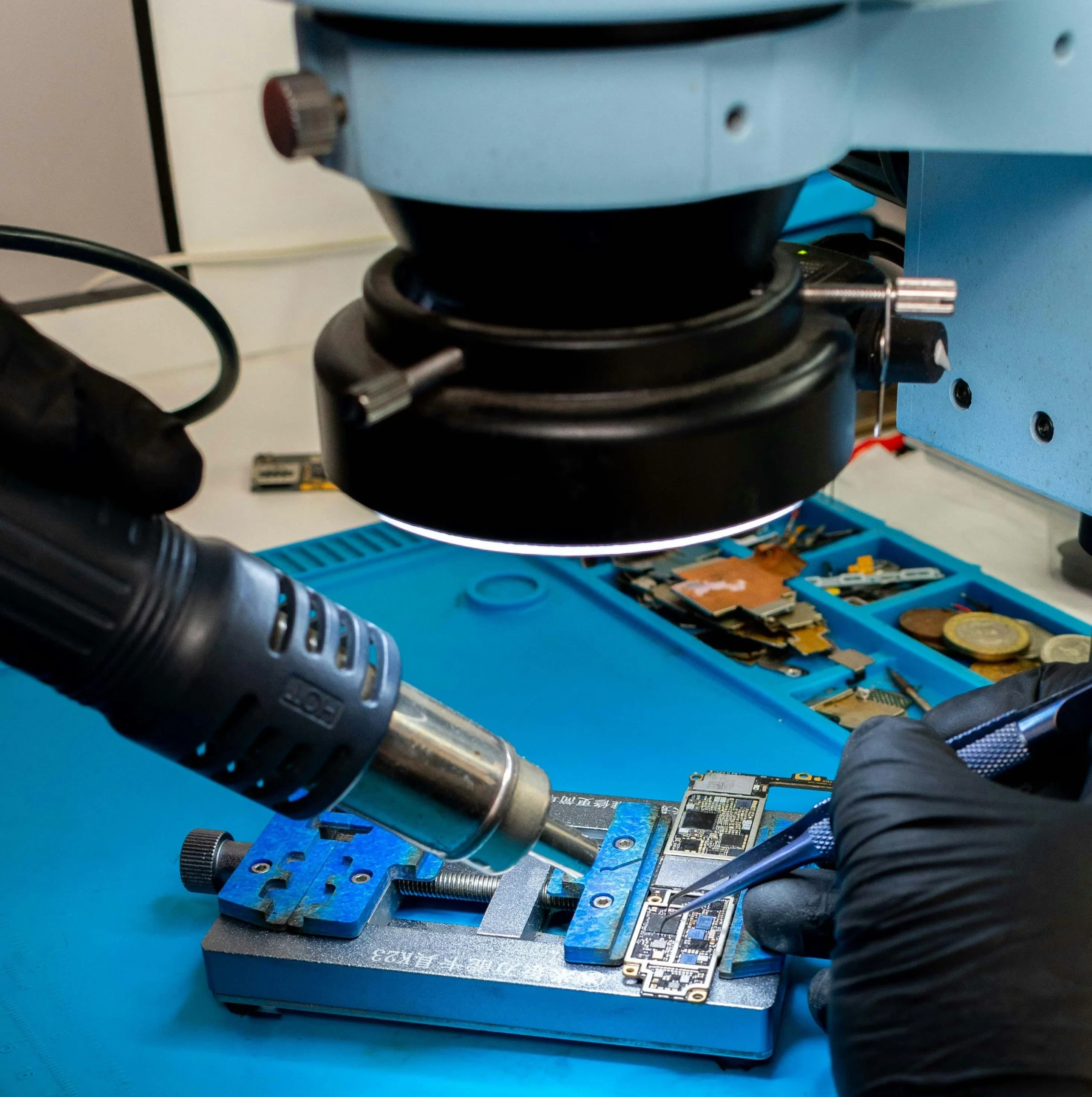
Digital Video Microscopes are commonly used for inspecting printed circuit boards (PCBs), solder joints, connectors, and electronic components. Their magnified live display helps users observe fine details during assembly, troubleshooting, and repair processes.
2. Quality Control and QA/QC Verification
In manufacturing environments, Digital Video Microscopes support quality control processes by helping inspectors identify surface defects, dimensional inconsistencies, contamination, or assembly issues before products proceed to the next stage.
3. Metal Surface Observation
TheseMicroscopes are also used for observing metal surfaces, coatings, machining marks, scratches, and surface conditions in industrial inspection applications.
4. Crack and Defect Inspection
Small cracks, fractures, and surface irregularities may become easier to detect under magnified digital imaging, particularly when inspecting precision components or finished products.
5. Small Component Inspection
Digital Video Microscopes are suitable for inspecting miniature parts and precision components that may be difficult to evaluate using standard visual inspection methods.
PCB and Electronics Inspection
Metal Surface Observation
Advantages of Digital Video Microscopes
Digital Video Microscopes provide several practical advantages for modern inspection and documentation workflows.
1. Easier Group Viewing
Because images are displayed on a monitor, multiple users can observe the inspection process simultaneously. This can be useful during training, discussions, or collaborative inspections.
2. Faster Inspection and Reporting
Digital imaging and software tools may help simplify documentation and reduce the time required for reporting and analysis.
3. Better Training Support
Live image display allows instructors and trainees to observe the same inspection area together, supporting clearer demonstrations and learning sessions.
4. Reduced Operator Fatigue
Monitor-based observation may provide a more comfortable viewing experience during extended inspection tasks.
5. Improved Documentation
Captured images and videos can be stored digitally for reporting, traceability, and future reference.
Limitations of Digital Video Microscopes
While Digital Video Microscopes offer many advantages, several factors should also be considered depending on the inspection application.
1. Image Quality Depends on System Components
Image clarity and performance can vary depending on the quality of the lens, camera sensor, lighting system, and display resolution.
2. Limited Depth Perception
Some digital systems may provide less depth perception compared to direct optical viewing, particularly when observing uneven surfaces or three-dimensional features.
3. Excessive Digital Zoom
High levels of digital zoom may reduce image sharpness and clarity if the system exceeds its effective optical capabilities.
Conclusion
Digital Video Microscopes combine optical magnification with digital imaging technology, making them valuable tools for modern industrial inspection and quality control applications. Their ability to support real-time observation, image documentation, and collaborative inspection workflows has made them increasingly common across manufacturing, electronics, research, and laboratory environments.
Because Digital Video Microscopes are available in various configurations and magnification ranges, they can support a wide variety of inspection tasks and applications. However, certain specialized applications may still require microscope systems designed for specific observation methods or sample types. Depending on the inspection requirements, microscopes such as metallurgical microscopes, upright microscopes, or stereo microscopes may provide more suitable optical configurations and observation capabilities.
Selecting the appropriate microscope ultimately depends on factors such as sample material, inspection method, magnification requirements, and application objectives.