Applications of X-ray Inspection in Electronics Manufacturing
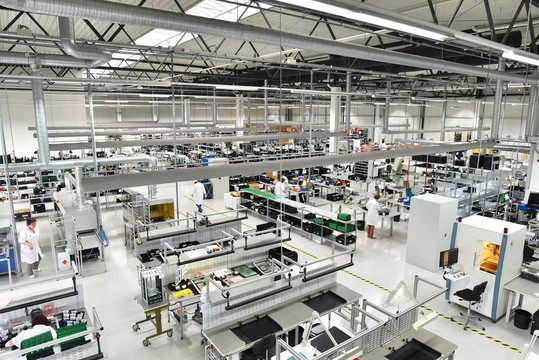
In electronics manufacturing, ensuring product quality goes beyond surface-level inspection. As electronic components become smaller and more densely packed, many critical features are no longer accessible through traditional inspection methods.
This is where X-ray inspection becomes valuable. By enabling non-destructive internal imaging, it allows manufacturers to verify hidden structures and identify defects that would otherwise go unnoticed.
What is X-ray Inspection
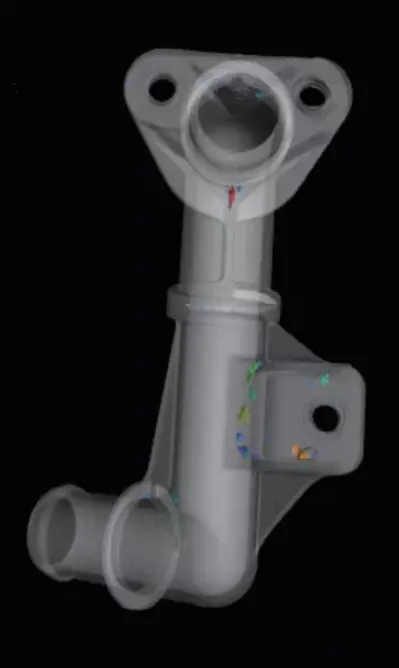
X-ray inspection is a Non-Destructive Testing (NDT) method used to examine the internal structure of electronic components and assemblies. By passing X-rays through a product and capturing the resulting image, the system reveals internal features such as solder joints, connections, and component alignment.
Unlike optical inspection, which is limited to visible surfaces, X-ray imaging provides insight into areas that are physically inaccessible during normal inspection processes. This capability makes it especially valuable across multiple stages of electronics manufacturing.
Key Applications in Electronics
X-ray inspection can be applied at multiple stages of the manufacturing process, from component verification to final assembly inspection. Each stage presents different challenges, where internal visibility becomes critical for ensuring quality and reliability.
1. Solder Joint Inspection
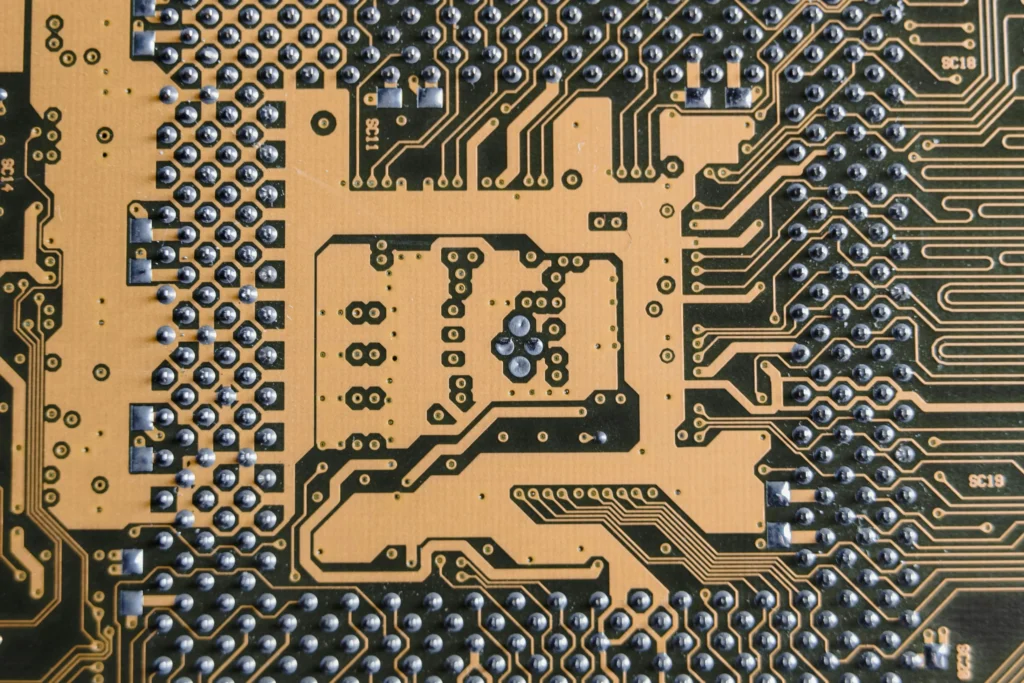
A primary application of X-ray inspection is the evaluation of solder joint quality. It allows manufacturers to detect issues such as voids, insufficient solder, and incomplete connections, all of which can affect electrical performance and long-term reliability.
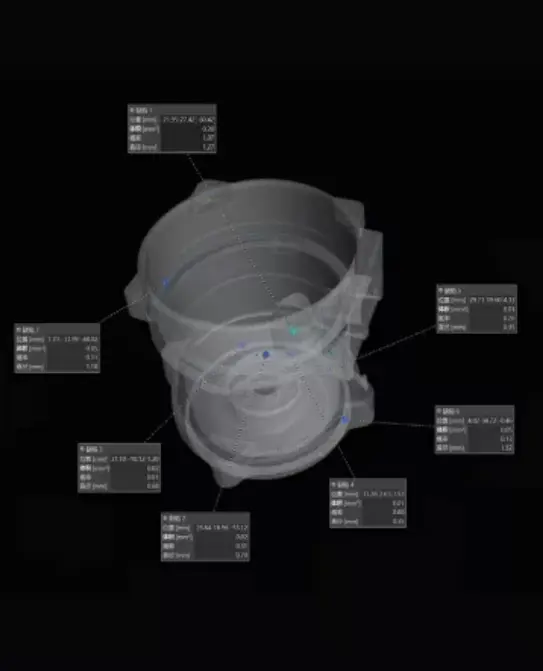
High-resolution systems, such as the ISD-NIX59-A32 Flaw Detection System, combine digital radiography with Computed Tomography (CT), enabling detailed 2D and 3D analysis of solder integrity and internal defects in complex assemblies.
inspection of solder joints
defects in solder joints
2. PCB Assembly Inspection
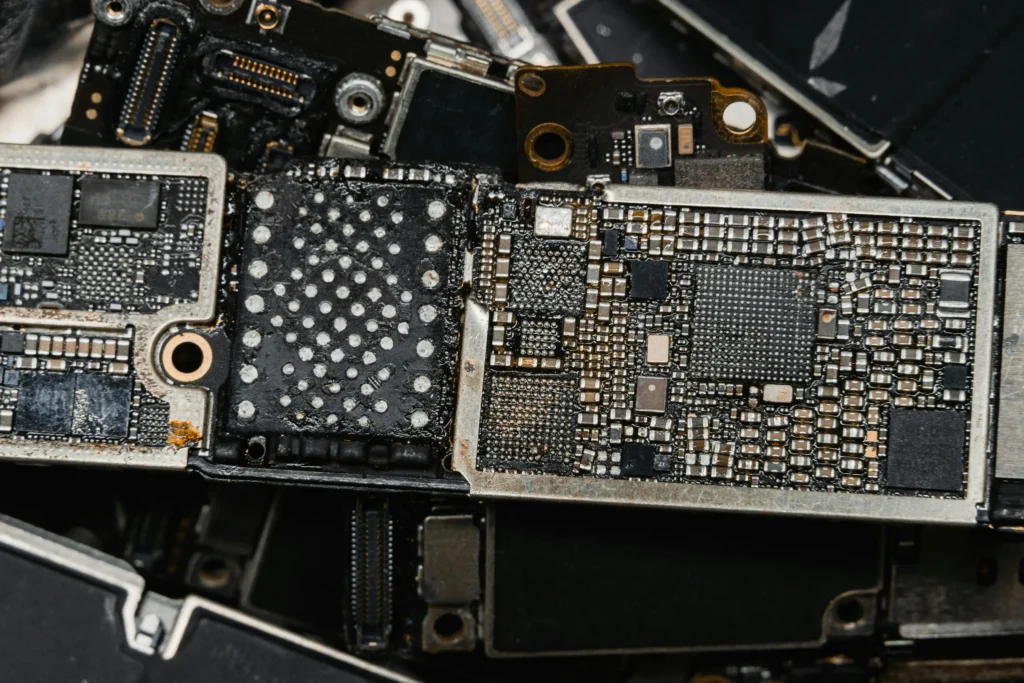
Beyond individual joints, X-ray inspection also plays a key role during Printed Circuit Board (PCB) assembly. It helps verify correct component placement and internal connections, allowing misalignments, bridging, or hidden defects within multilayer boards to be identified without disassembly.
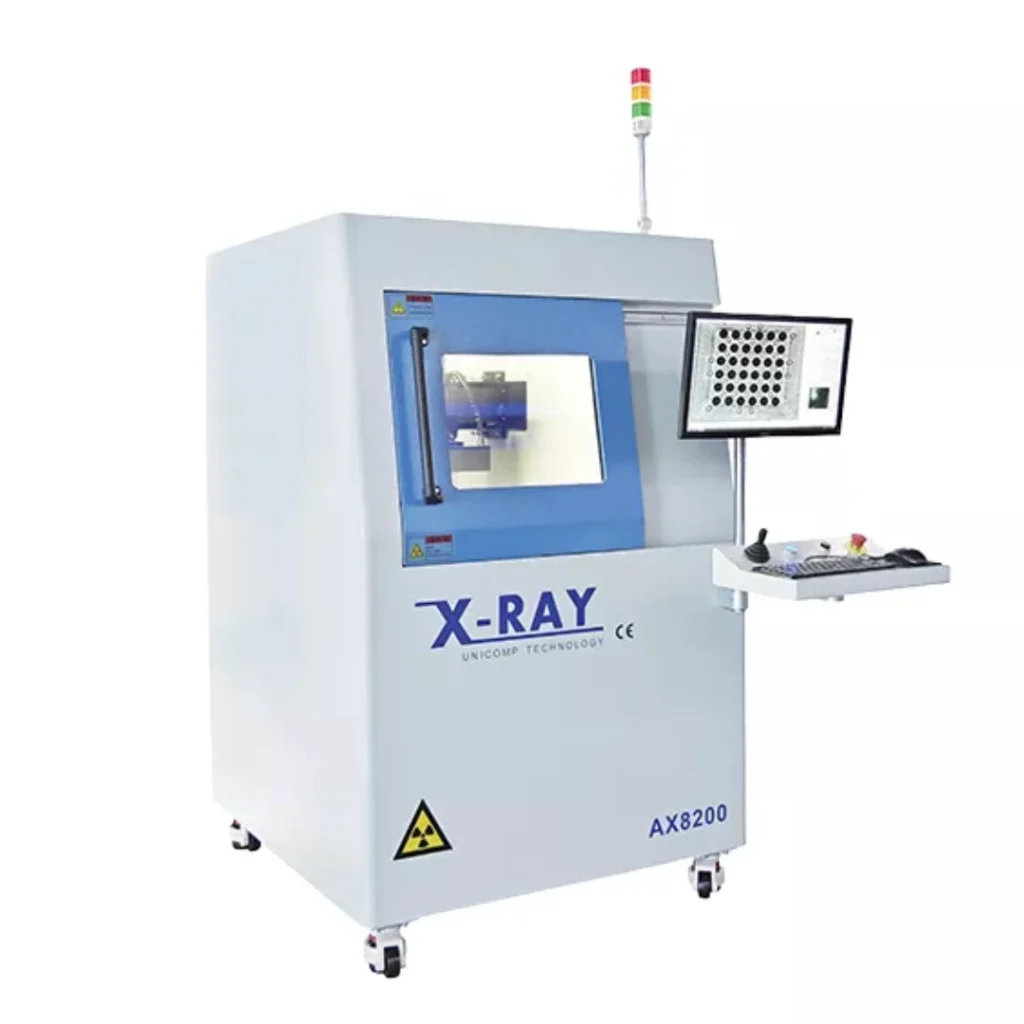
In higher-throughput environments, systems like the X-Ray Inspection Equipment AX8200 support efficient workflows through high-resolution imaging, automated measurement, and flexible motion control, ensuring consistent inspection results at scale.
3. Inspection of Hidden Interconnects
As component packaging becomes more advanced, many interconnects are no longer externally visible. Components such as Ball Grid Arrays (BGAs) have solder joints located beneath the package, making them impossible to inspect visually.
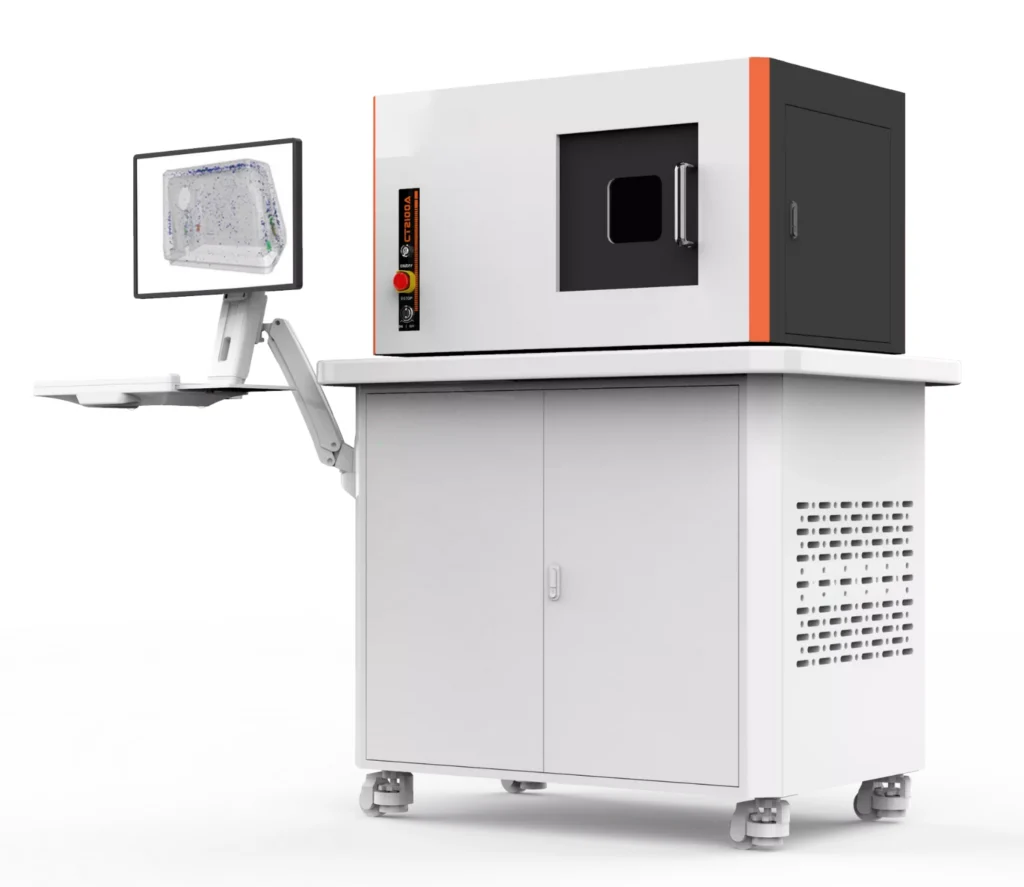
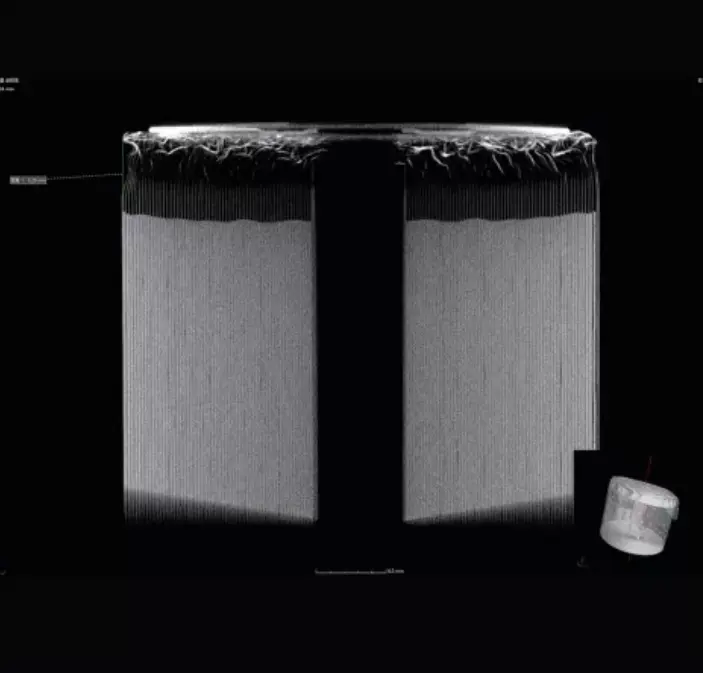
To address this, advanced solutions such as the UNCT2100 High-precision Desktop CT System utilize both 2D radiography and 3D CT reconstruction to provide clear visualization of internal structures. This enables accurate defect detection, dimensional measurement, and porosity analysis in compact components.
ISD-NIX59-A32 Flaw Detection System
X-Ray Inspection Equipment AX8200
UNCT2100-High-precision Desktop CT System
Why X-ray Inspection Matters
The ability to visualize internal structures makes X-ray inspection a critical tool for improving product quality and reliability. It enables early defect detection, reduces rework, and helps prevent failures in the field.
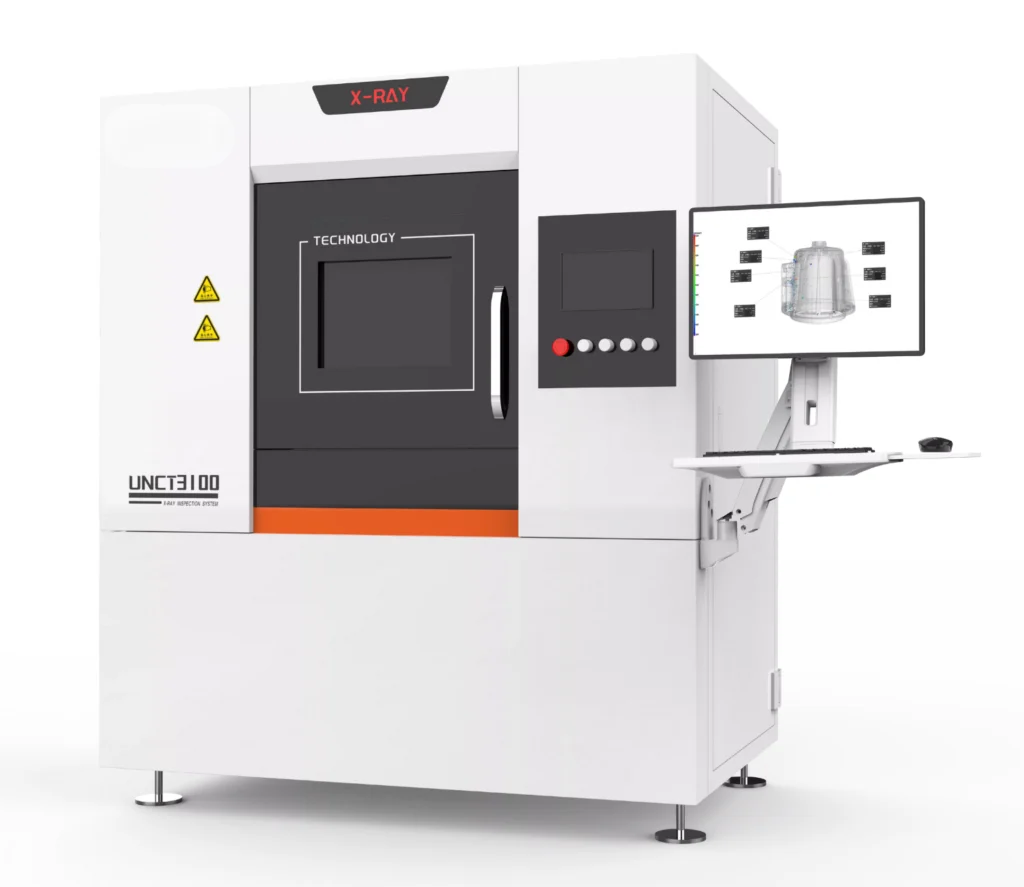
For more demanding analysis, industrial CT systems such as the UNCT3100 Industrial CT Testing System offer higher-energy imaging and advanced 3D reconstruction, supporting detailed failure analysis across a wide range of materials and components.
Supporting High-Volume and Specialized Applications
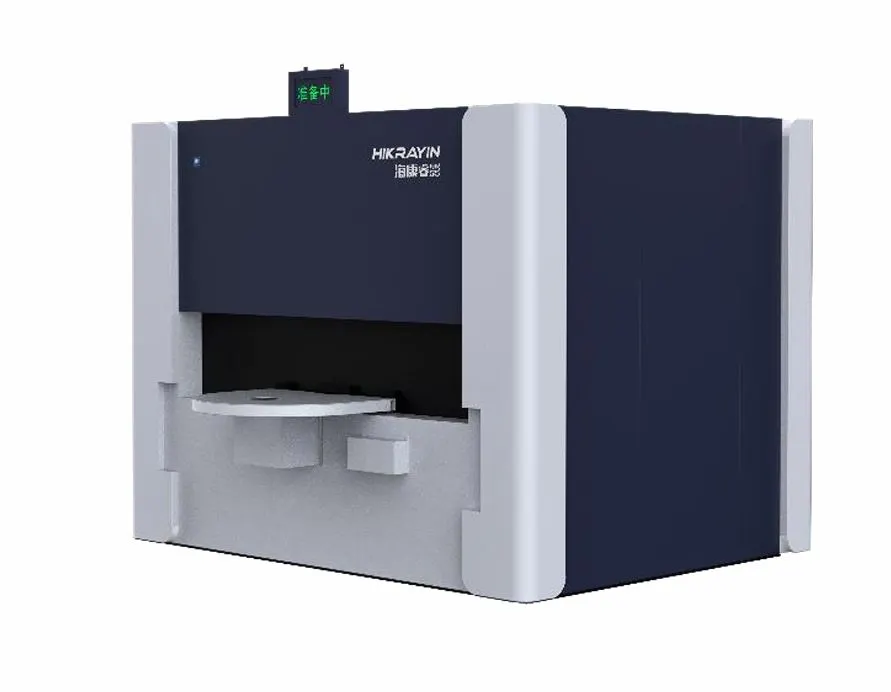
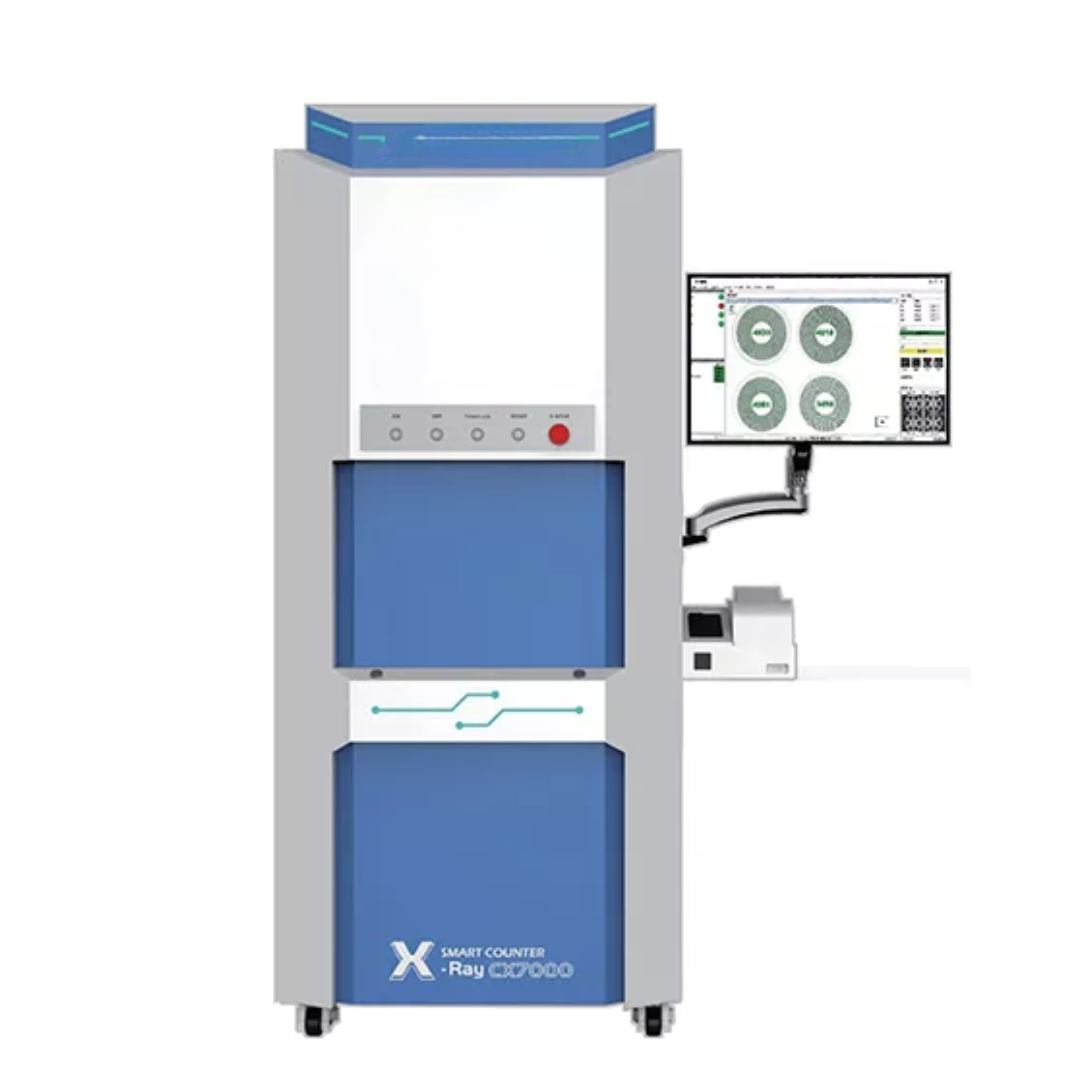
In high-volume production environments, X-ray inspection systems can also be adapted for specialized tasks such as automated counting and process optimization. High-speed solutions like the Unicomp X-Ray High Speed Counting System CX7000 enable fast and accurate counting of Surface-Mount Devices (SMDs) components directly on reels using X-ray imaging, eliminating the need for manual handling.
Additionally, dedicated systems such as the X-Ray Inspection Equipment AX8200 are designed for safety-critical applications, where precise internal defect detection is essential for performance and reliability.
Unicomp X-Ray High speed Counting System CX7000
Conclusion
X-ray inspection serves as a powerful complement to optical inspection systems. While optical methods remain effective for surface-level evaluation, X-ray technology extends inspection capability to internal features that would otherwise remain hidden.
As electronic assemblies continue to grow in complexity, the need for reliable internal inspection becomes increasingly important. Integrating X-ray inspection into quality control processes helps ensure that products consistently meet performance and reliability expectations, making it an essential part of modern electronics manufacturing.