Understanding Gage R&R in VMS and CMM Inspection Systems
Precision measurement requires more than advanced equipment and proper calibration. The consistency of the measurement process plays a critical role in ensuring that results are reliable and repeatable. Even when high-precision instruments are used, variations in measurement methods can significantly affect the reliability of inspection results.
In many inspection processes, differences between repeated measurements or between operators can introduce uncertainty into the results. This variation is not always caused by the part being measured, but by the measurement system itself.
Gage Repeatability and Reproducibility (Gage R&R) is used to evaluate how much variation originates from the measurement process. By understanding and controlling this variation, manufacturers can improve measurement reliability and ensure that inspection data remains consistent across different conditions.
What is Gage R&R?
Understanding measurement variation starts with identifying where it comes from. Gage R&R provides a structured way to separate variation caused by the measurement system from variation in the part itself.
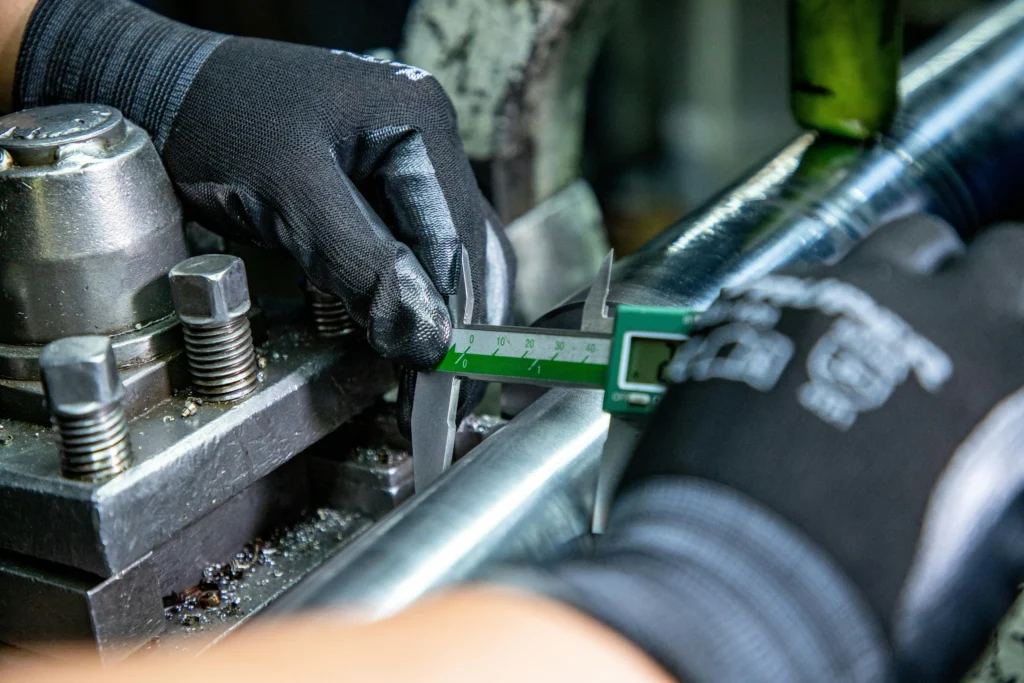
Gage R&R is a key component of Measurement System Analysis (MSA) used to assess variation within a measurement process. It consists of two main elements. Repeatability refers to variation when the same operator measures the same part multiple times using the same equipment. Reproducibility refers to variation when different operators measure the same part using the same equipment.
Together, these factors determine how much variation comes from the measurement system rather than the part itself.
The role of Gage R&R in precise manufacturing
Why Gage R&R Matters in Inspection
Consistent measurement results are essential for making reliable quality decisions. Without consistency, even accurate measurements can lead to incorrect conclusions.
Inconsistent measurement results may lead to:
Rejection of parts that meet specifications
Acceptance of defective components
Variability in quality control outcomes
Reduced confidence in inspection data
Even a highly accurate system can become unreliable if its results cannot be consistently reproduced. For this reason, evaluating measurement consistency is just as important as verifying accuracy.
Rejection of parts that meet specifications
Acceptance of defective components
Variability in quality control outcomes
Reduced confidence in inspection data
Sources of Variation in Measurement Systems
Measurement variation rarely comes from a single source. Identifying multiple contributing factors is key to improving overall system performance.
Several factors can influence measurement results. Understanding these sources is essential for improving Gage R&R performance.
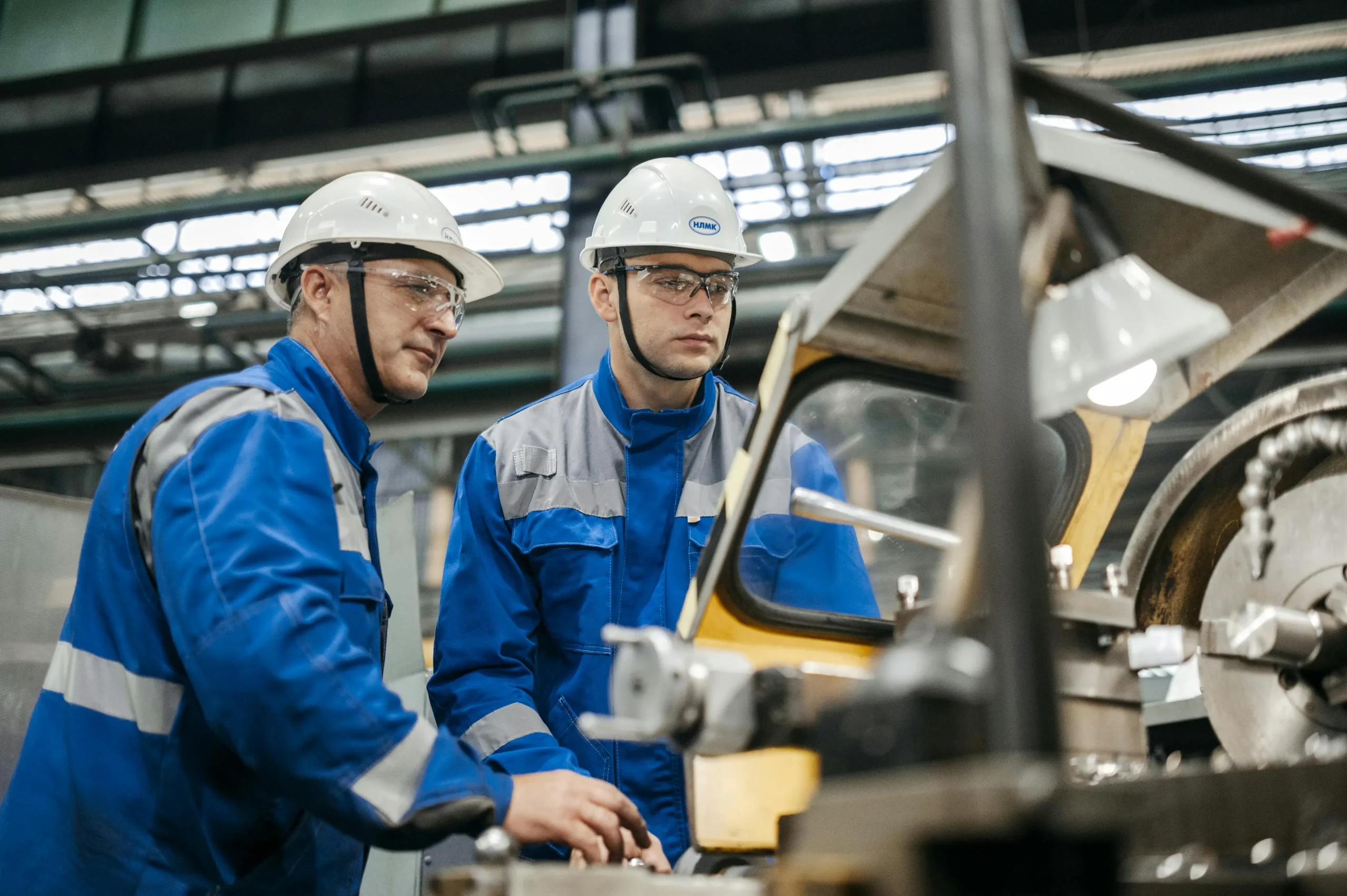
Operator influence plays a significant role in manual measurement processes. Differences in alignment, positioning, and interpretation can introduce variation, especially in repetitive tasks.
Equipment limitations can also affect consistency. Resolution limits, calibration drift, and lighting conditions in vision systems may impact measurement stability.
Environmental factors, such as temperature changes and vibration, can influence both the measuring instrument and the workpiece, leading to inconsistent results over time.
Operator influence
Equipment limitations
Environmental factors
Improving Gage R&R with Video Measurement System (VMS) and Coordinate Measuring Machine (CMM)
Reducing variation requires more than procedural changes. The right inspection technology plays a critical role in improving measurement consistency.
Video Measurement Systems (VMS) improve repeatability by minimizing operator involvement. Automated edge detection, consistent illumination, and programmable routines ensure that measurements are performed in a standardized manner.
Coordinate Measuring Machines (CMM) enhance reproducibility through precise probing and controlled measurement paths. By reducing reliance on manual input, it enables consistent results across different operators and measurement cycles.
By limiting operator-dependent variation, both measurement systems improve measurement reliability and overall inspection consistency.
Best Practices for Improving Gage R&R
Achieving consistent measurement results requires a combination of proper procedures, training, and system control.
To improve measurement consistency, organizations can adopt the following practices:
Establish standardized measurement procedures
Provide operator training
Perform regular calibration and verification
Use automated measurement systems where possible
Maintain stable environmental conditions
These steps help reduce variation and improve confidence in measurement results.
Conclusion
Reliable measurement is not defined by accuracy alone. Consistency across different conditions and operators is equally important in ensuring dependable results.
While accuracy remains essential in precision measurement, consistency across repeated measurements is equally important. Gage R&R provides a structured way to evaluate how reliably a measurement system performs under actual operating conditions.
By adopting advanced systems such as the Video Measurement System (VMS) and Coordinate Measuring Machine (CMM), and by applying proper measurement practices, manufacturers can reduce variability, improve confidence in inspection data, and achieve higher product quality.