
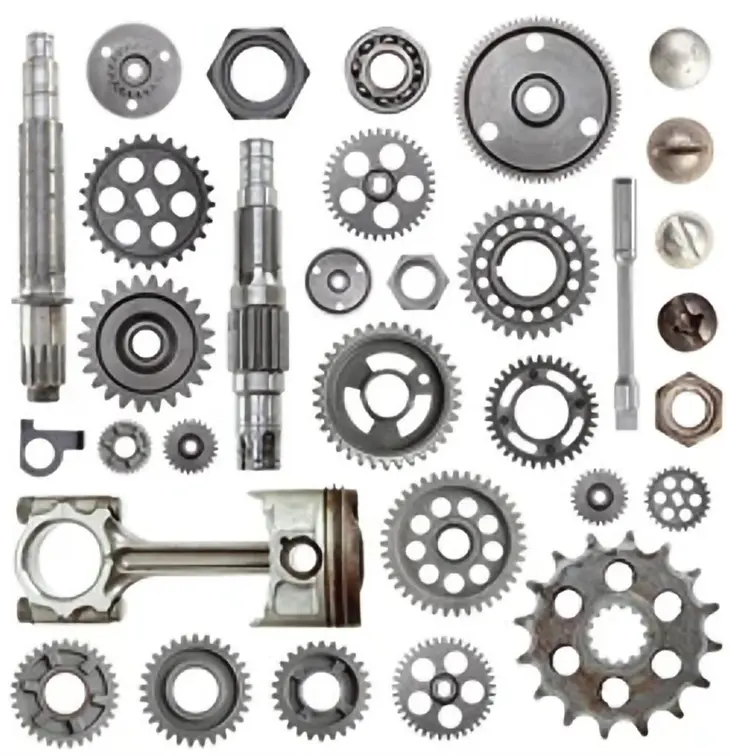
In precision measurement, accuracy is often assumed to depend primarily on the capability of the instrument. Systems with higher resolution, advanced sensors, and sophisticated design are expected to deliver reliable results within tight tolerances. However, even the most advanced equipment can produce inconsistent measurements if one critical factor is overlooked: temperature.
Thermal effects refer to the changes in material behavior caused by temperature variation, including expansion, contraction, and structural instability. These effects influence not only the workpiece being measured, but also the measurement system itself. All materials expand when heated and contract when cooled, with the magnitude of change determined by the material’s Coefficient of Thermal Expansion (CTE), its original dimensions, and the temperature difference.
Even minor temperature variations can cause dimensional changes at the micrometer level—significant enough to impact the accuracy of high-precision systems such as Video Measurement Systems (VMS) and Coordinate Measuring Machines (CMM).
As a result, measurement accuracy is not determined by equipment alone, but by how well thermal effects are understood and controlled. Proper management of temperature conditions is essential for achieving reliable and repeatable measurement results.
The most significant impact of thermal effects arises from the workpiece itself. When a workpiece is measured at a temperature different from the standard reference (typically 20°C under controlled laboratory conditions), its dimensions will differ from its nominal design values. The measurement system may still be functioning correctly; the variation occurs because the workpiece itself has physically changed in size.
For example, a metal component exposed to a slight temperature increase may expand enough to exceed its tolerance limits. In such cases, the measurement reflects the part’s actual condition at that temperature, rather than an error in the system.
This highlights that measurement accuracy depends not only on the instrument, but also on the physical state of the object being measured.
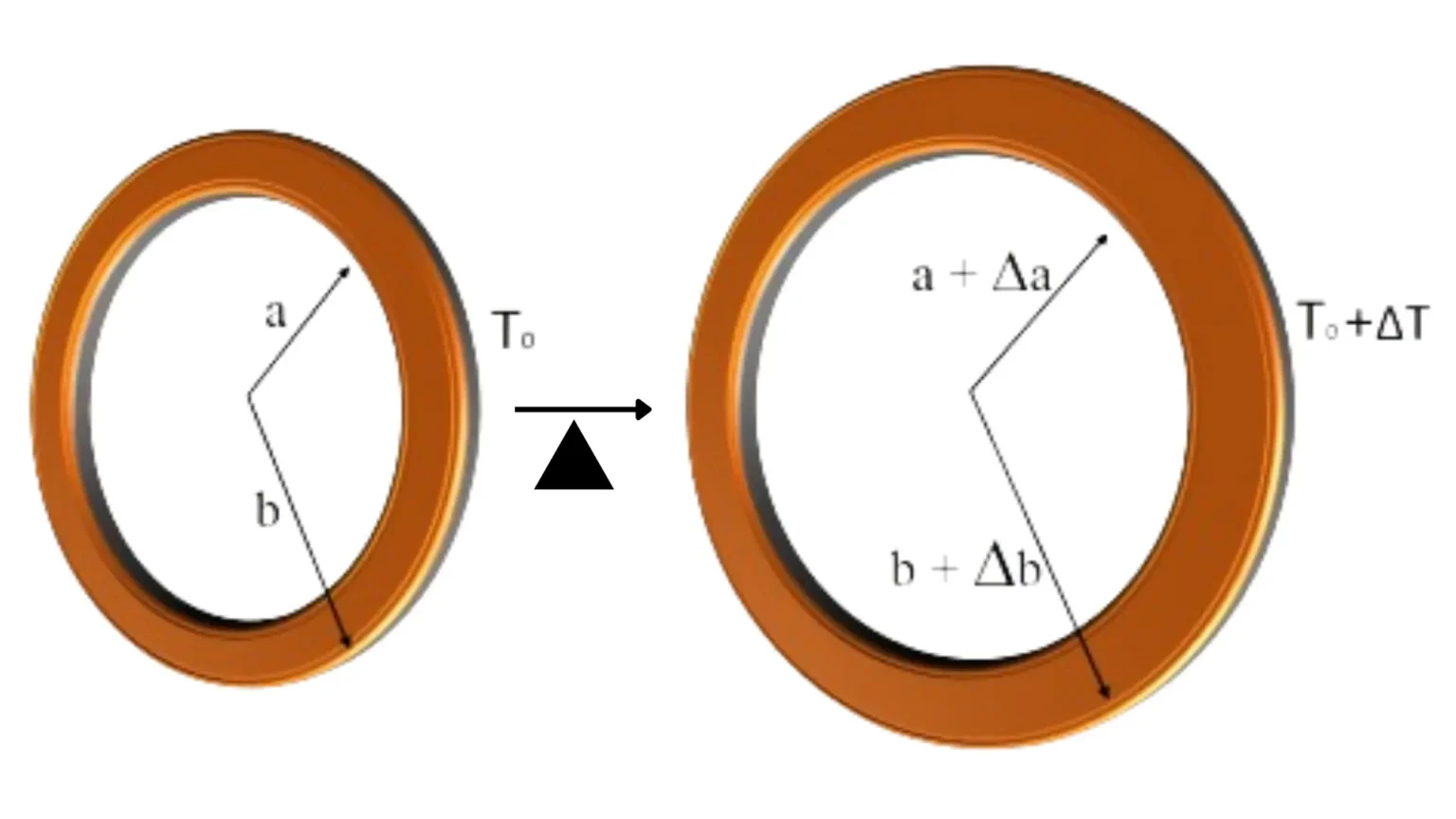
While workpiece expansion is the dominant factor, the measurement system itself is not immune to temperature effects.
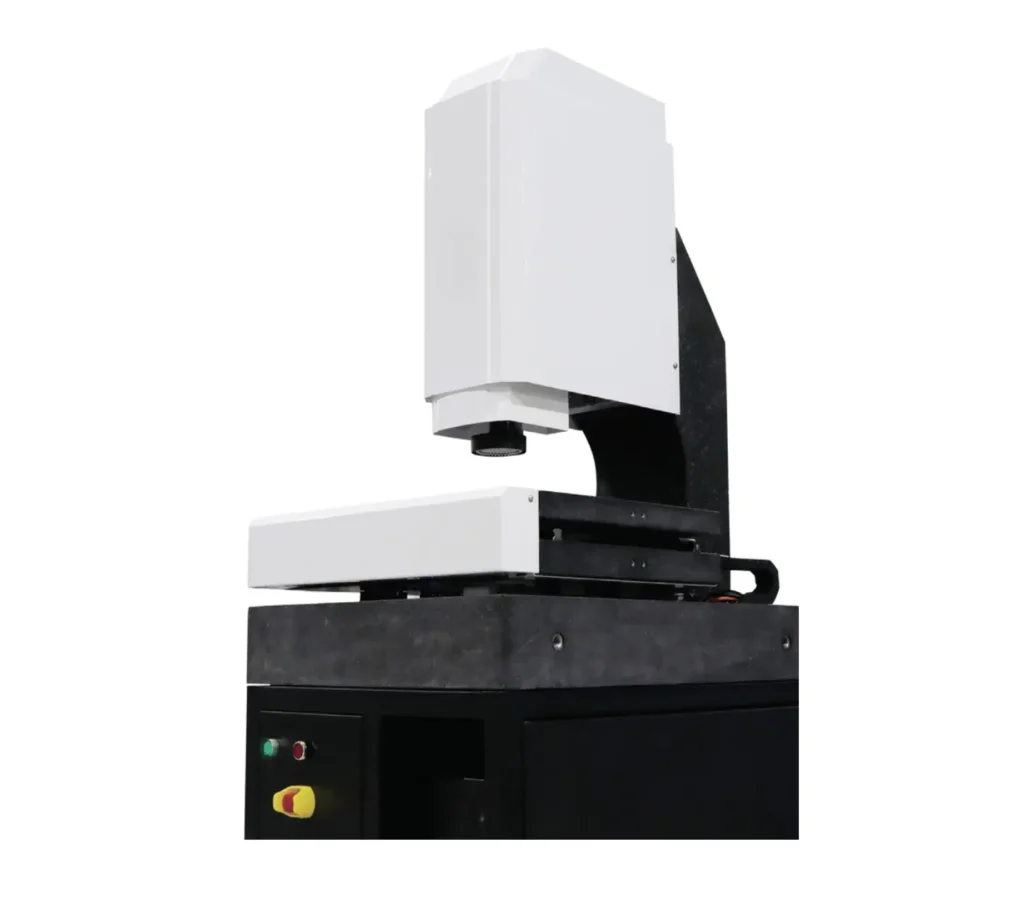
1. Thermal Effects on Video Measurement Systems (VMS)
In Video Measurement Systems (VMS), the impact of thermal effects is generally less pronounced due to their optical-based measurement approach and relatively low mechanical contact. Within a controlled laboratory environment, these effects are minimal. However, larger temperature variations or rapid fluctuations can introduce subtle changes within the system, including slight shifts in camera alignment and positioning, variations in lens focal characteristics, and fluctuations in illumination stability.
Although such effects are generally small, they can become significant in applications requiring tight tolerances and high measurement precision. As a result, even in Video Measurement Systems (VMS), maintaining stable thermal conditions is important to ensure consistent and reliable measurement performance.
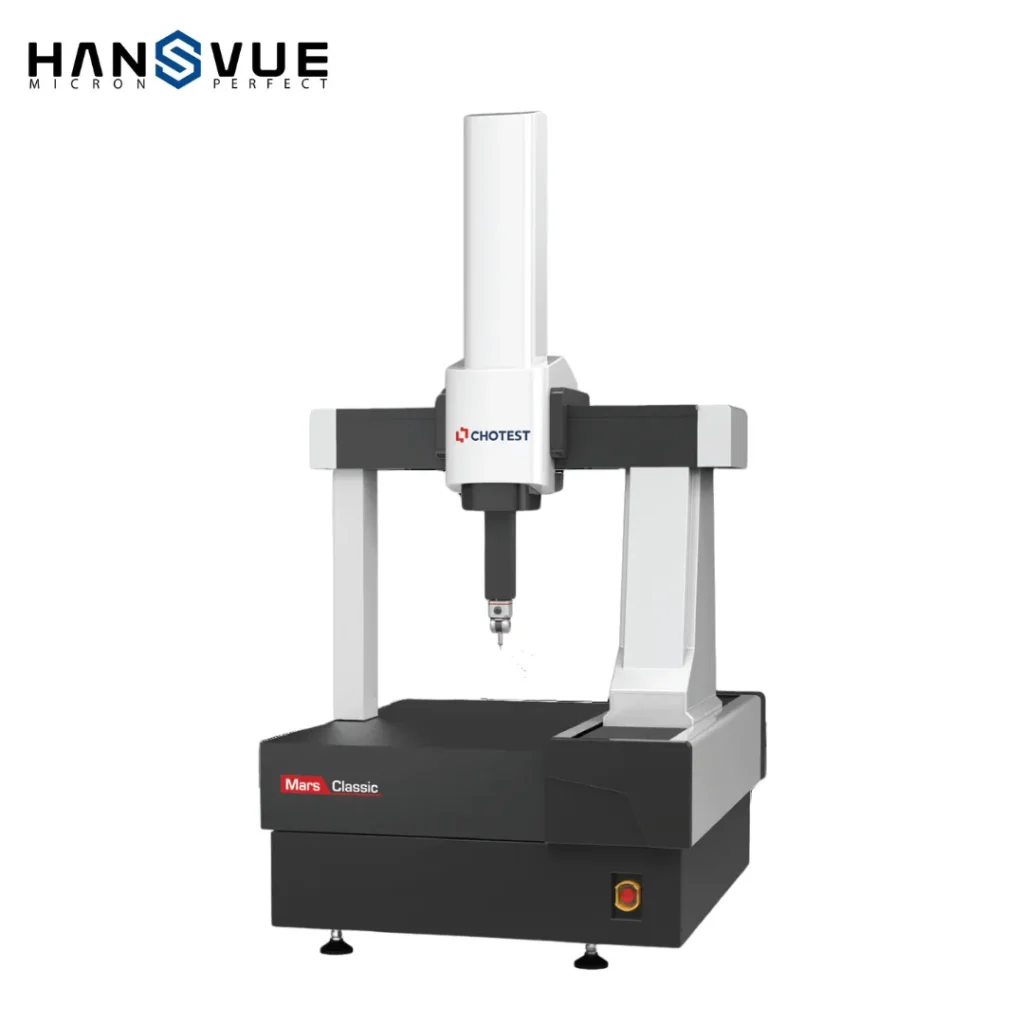
2. Thermal Effects on Coordinate Measuring Machines (CMM)
Unlike Video Measurement Systems (VMS), Coordinate Measuring Machines (CMM) rely heavily on mechanical structures and precise coordinate positioning, making them more sensitive to thermal influences.
Temperature variations can cause expansion or contraction of the machine frame, which is commonly constructed from materials such as granite or aluminum, leading to shifts in the overall measurement structure. In addition, scale systems may experience slight variations, and probe positioning can drift as a result of thermal changes.
These effects, although often small, can introduce measurable deviations, particularly in high-accuracy applications or when measuring large components. As a result, Coordinate Measuring Machines (CMM) typically require stricter environmental control and may incorporate temperature compensation mechanisms to maintain measurement accuracy.
Beyond uniform temperature changes, uneven temperature distribution, commonly referred to as temperature gradients, can introduce more complex errors in precision measurement. When different parts of a workpiece are at different temperatures, the result is not just simple expansion or contraction, but distortion. This can manifest as bending or warping, non-uniform dimensional changes, and an increase in overall measurement uncertainty.
Temperature gradients are particularly problematic for certain types of components, such as large parts or thin and flexible materials. In these cases, even high-precision measurement systems may not be able to fully compensate for the physical deformation of the part, making careful thermal management critical.

To ensure reliable and repeatable measurements, industry practices focus on both controlling and compensating for thermal influences.
1. Environmental Control
Maintain a standard laboratory temperature of 20 °C (±1 °C), minimize exposure to direct sunlight or drafts from air conditioning systems, and using temperature-controlled metrology rooms whenever possible can significantly reduce thermal variation and its impact on measurement accuracy.
2. Thermal Stabilization
Both the workpiece and the measurement system should be allowed to acclimate to the controlled environment before measurement begins. Measuring a part immediately after machining, handling, or transportation can introduce temperature-induced dimensional changes, so it is best to allow sufficient settling time.
3. Compensation Techniques
Compensation Techniques provide additional safeguards in advanced measurement systems. Temperature sensors, compensation algorithms, and material-specific correction factors can help account for unavoidable thermal variations and improve the fidelity of the results.
You might be wondering what happens when a part measured under controlled laboratory conditions is later used in a warmer or cooler real-world environment. In practice, dimensional measurements are referenced to a standard temperature of 20 °C to provide a consistent baseline. When the part is installed in its intended operating environment, it will naturally expand or contract according to its material’s Coefficient of Thermal Expansion (CTE).
This behavior is expected and accounted for during design. For most industrial components, such as bolts or shafts, the dimensional changes due to normal temperature differences are small relative to the allowed tolerances, ensuring that the part remains functional and reliable despite thermal variations. Measuring at 20 °C does not make a part unusable, it simply provides a standardized reference that engineers can use to ensure proper performance under actual operating conditions.
Conclusion
Thermal expansion and temperature effects are unavoidable realities in the physical world, and their influence on measurement accuracy cannot be overlooked. While Video Measurement Systems (VMS) and Coordinate Measuring Machines (CMM) are designed for high stability, both the workpiece and the measurement system remain subject to temperature-induced changes.
Achieving reliable measurement results, therefore, requires more than advanced equipment alone, it demands a comprehensive understanding of the environment in which measurements are performed and careful management of temperature conditions throughout the process.